
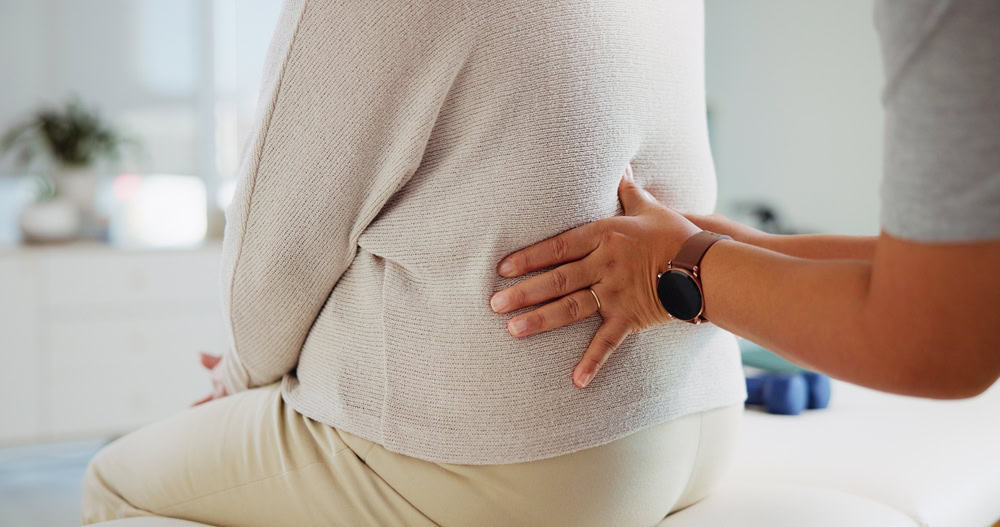
Living with chronic low back pain can feel exhausting, especially when symptoms linger despite treatment, rest, or normal imaging results. Pain may fluctuate day to day, affecting sleep, work, mood, and confidence in movement. While hands-on care and exercise are important, long-term improvement often depends on how pain is managed within daily life. Lifestyle factors strongly influence pain sensitivity, recovery, and resilience. This is why Back Pain Physiotherapy takes a broader view, supporting not only physical rehabilitation but also sustainable lifestyle strategies that reduce flare-ups and support long-term function.
Understanding chronic low back pain
Chronic low back pain is defined by persistence rather than severity. Symptoms last beyond the normal healing timeframe, often more than three months.
At this stage, pain is rarely driven by tissue damage alone. The nervous system becomes more sensitive, movement confidence reduces, and daily habits begin to shape how pain behaves.
This means recovery is not about fixing a single structure, but about improving how the body and nervous system respond to daily demands.
Why lifestyle matters in persistent pain
Lifestyle factors influence pain thresholds, recovery capacity, and movement tolerance. Stress, sleep quality, activity levels, and work habits all affect how pain is experienced.
When these factors are not addressed, even well-designed exercise programs may produce limited results.
Managing chronic pain effectively requires aligning daily routines with the body’s capacity to adapt and recover.
Movement consistency over intensity
In chronic low back pain, consistency of movement matters more than intensity. Long periods of inactivity followed by sudden bursts of effort often trigger flare-ups.
Regular, moderate movement helps regulate the nervous system, maintain tissue tolerance, and reduce stiffness.
Walking, gentle mobility, and structured exercise performed consistently support better outcomes than sporadic high-intensity sessions.
Balancing activity and recovery
Chronic pain often leads to cycles of overdoing on good days and avoiding activity on bad days. This pattern increases pain sensitivity over time.
Pacing strategies help balance activity and recovery. This means stopping activities before pain escalates rather than after it peaks.
Learning to distribute activity evenly across the day and week reduces flare-ups and supports steady progress.
Sleep and pain sensitivity
Poor sleep increases pain sensitivity and reduces coping capacity. Many people with chronic back pain struggle with disrupted or non-restorative sleep.
Sleep quality influences tissue recovery, nervous system regulation, and emotional resilience.
Addressing sleep routines, comfort, and consistency is an essential part of managing persistent pain.
Stress, workload, and back pain
Stress does not cause chronic back pain, but it significantly amplifies symptoms. High stress increases muscle tension and nervous system reactivity.
Busy work schedules, emotional demands, and lack of downtime reduce recovery capacity.
Managing stress through realistic workload planning, breaks, and supportive strategies helps reduce pain amplification.
Sitting, posture, and daily habits
Prolonged sitting is a common challenge in chronic low back pain. Sustained postures increase stiffness and sensitivity.
Rather than aiming for perfect posture, lifestyle management focuses on posture variability. Changing position regularly reduces cumulative strain.
Simple habits such as standing briefly, walking, or adjusting sitting positions throughout the day support comfort.
Nutrition and inflammation awareness
Nutrition influences energy levels, tissue health, and inflammation. While diet alone does not cure chronic pain, poor nutrition can reduce recovery capacity.
Consistent meals, adequate hydration, and balanced intake support physical and mental resilience.
Awareness of how certain habits affect energy and pain can guide supportive choices.
Fear, beliefs, and pain behaviour
Long-standing pain often changes beliefs about movement and safety. Fear of harm can lead to avoidance and stiffness.
Understanding that pain does not always indicate damage helps reduce protective behaviours that perpetuate symptoms.
Lifestyle management includes building confidence in movement through gradual exposure and reassurance.
Staying socially and physically engaged
Chronic pain can lead to withdrawal from social and physical activities. Isolation often worsens pain perception and mood.
Maintaining engagement in meaningful activities supports emotional wellbeing and reduces pain focus.
Activity may need to be modified rather than avoided, preserving participation without overload.
Managing flare-ups without panic
Flare-ups are common in chronic low back pain and do not indicate failure or damage.
Having a clear plan for flare-ups reduces anxiety and prevents overreaction. This may include temporary load reduction, gentle movement, and symptom management strategies.
Returning to normal routines gradually supports recovery rather than prolonged rest.
Medication and passive strategies in context
Medication and passive treatments may provide short-term relief but do not address long-term drivers of pain.
Relying on these strategies alone often leads to dependency without improved capacity.
Lifestyle management focuses on building self-efficacy and reducing reliance on passive solutions.
Building long-term resilience
Chronic low back pain management is about improving tolerance, not eliminating all discomfort immediately.
Resilience is built by gradually increasing what your body can handle, physically and mentally.
This approach supports independence, confidence, and sustained function.
What effective lifestyle management looks like
Effective management is personalised and realistic. It fits around work, family, and personal priorities.
Strategies are introduced gradually and adjusted based on response rather than rigid rules.
Progress is measured through improved function, reduced reactivity, and increased confidence.
Your next step
If chronic low back pain has been affecting your daily life, lifestyle management may be the missing piece in your recovery. A comprehensive assessment can identify how movement, stress, sleep, and habits interact with your symptoms. With clear guidance and a tailored plan, you can reduce flare-ups, improve resilience, and regain confidence in daily activity. Booking an assessment provides clarity and practical strategies that support long-term improvement rather than short-term relief.
