
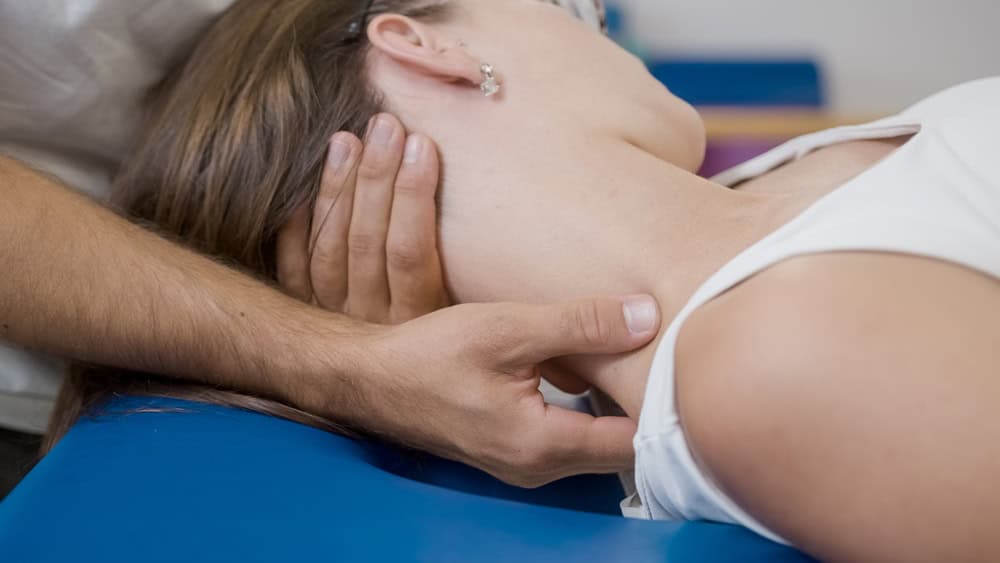
Persistent neck tension often has less to do with injury and more to do with how you breathe throughout the day, especially under stress or prolonged screen use, and addressing breathing dysfunction alongside Neck Pain Physiotherapy helps reduce unnecessary muscle overload, improve comfort, and restore efficient movement.
How breathing influences neck tension
Breathing is a constant, automatic process, and when it becomes inefficient, the muscles of the neck and shoulders often take on extra work they are not designed to sustain; over time, this increased activity contributes to tightness, fatigue, and pain that may feel unrelated to breathing at first.
Primary versus accessory breathing muscles
Efficient breathing is driven mainly by the diaphragm and lower rib cage, while the neck and upper chest muscles are designed to assist only during higher demand; when these accessory muscles become dominant, neck tension increases.
Why the neck compensates
Stress, poor posture, and fatigue reduce diaphragmatic contribution, prompting the body to recruit neck muscles to maintain airflow, even during rest.
What breathing dysfunction looks like
Breathing dysfunction does not always feel like shortness of breath and often goes unnoticed.
Upper chest breathing
Breathing that lifts the shoulders or upper chest with each breath increases sustained activation of neck muscles, particularly the upper trapezius and scalene muscles.
Shallow or rapid breathing
Quick, shallow breaths limit oxygen exchange efficiency and increase muscle workload, reinforcing tension patterns.
Breath holding habits
Many people unconsciously hold their breath during concentration, screen work, or stress, further increasing neck and shoulder stiffness.
Common symptoms linked to breathing-related neck tension
Symptoms often extend beyond the neck itself.
Persistent tightness or heaviness
The neck may feel constantly tight rather than acutely painful, with discomfort building through the day.
Headaches and jaw tension
Overactive breathing muscles can contribute to tension headaches and jaw clenching.
Fatigue and reduced endurance
Neck muscles that assist breathing fatigue quickly, reducing tolerance for desk work or prolonged posture.
Why breathing dysfunction develops
Breathing patterns are shaped by lifestyle, stress, and posture.
Stress and nervous system activation
High stress shifts breathing toward a faster, upper chest pattern, increasing neck muscle tone even during rest.
Prolonged sitting and posture
Collapsed or slouched postures restrict rib cage movement, limiting diaphragmatic breathing and encouraging neck compensation.
Pain and protective behaviour
Neck pain itself can alter breathing patterns as the body subconsciously guards sensitive areas.
The assessment process
Identifying breathing dysfunction requires more than observing breathing alone.
Breathing pattern observation
Assessment looks at rib cage movement, shoulder elevation, and breath rhythm during rest and activity.
Posture and movement evaluation
Spinal alignment and upper back mobility are assessed to understand mechanical restrictions to efficient breathing.
Symptom correlation
Changes in neck tension during breathing correction help confirm its role in symptoms.
Restoring efficient breathing patterns
Breathing retraining focuses on restoring natural, low-effort patterns rather than forcing deep breaths.
Diaphragmatic breathing
Gentle exercises encourage expansion of the lower rib cage, reducing reliance on neck muscles.
Breath control and rhythm
Slowing and smoothing the breathing cycle helps calm the nervous system and reduce baseline muscle tension.
Integrating breathing with posture
Breathing and posture are closely linked and should be addressed together.
Upper back mobility
Improving thoracic movement allows the rib cage to expand more freely during breathing.
Supported sitting and standing
Postural adjustments reduce rib cage restriction and improve breathing efficiency during work.
Breathing during daily activities
Retraining must carry over into real-life situations.
Desk work and screen use
Awareness of breathing during focused tasks helps prevent unconscious breath holding and shoulder elevation.
Physical activity
Coordinating breathing with movement reduces neck muscle overuse during exercise and lifting.
Combining breathing retraining with neck rehabilitation
Breathing correction works best alongside targeted neck and shoulder exercises.
Reducing muscle overload
As breathing efficiency improves, neck muscles are freed to focus on movement and stability rather than respiration.
Improving endurance
Reduced baseline tension allows neck muscles to tolerate posture and activity for longer periods.
Managing expectations and timelines
Breathing patterns change gradually with consistent practice.
Early changes
Many people notice reduced neck tightness and improved calm within a few weeks.
Long-term integration
Sustained benefit comes from integrating breathing awareness into daily routines rather than isolated exercises.
When breathing is not the only factor
Persistent neck pain may involve additional contributors.
Strength and mobility limitations
Weakness or stiffness may still require targeted rehabilitation.
Stress management
Addressing workload and recovery supports long-term breathing and neck health.
Conclusion
Breathing dysfunction and neck tension are closely connected through shared muscle use and nervous system regulation, and addressing breathing patterns can significantly reduce chronic tightness and fatigue; when combined with posture, movement, and strengthening strategies, breathing retraining supports lasting neck comfort, and the next step is to book an assessment so your breathing patterns and neck mechanics can be evaluated and guided toward sustainable relief.
