
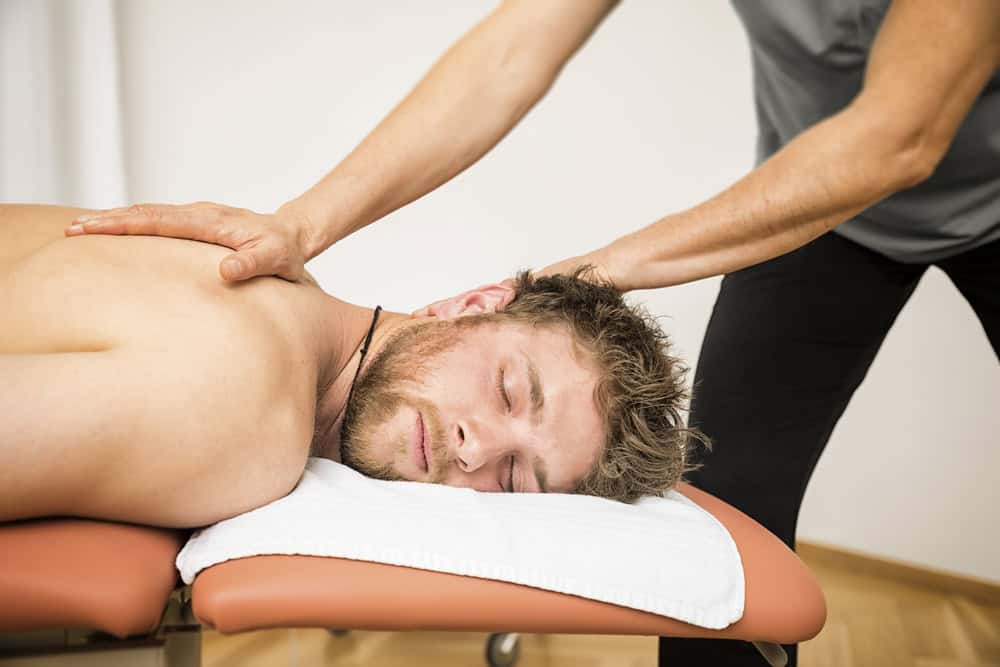
Dizziness that seems to originate from the neck can feel unsettling and difficult to explain, especially when scans or tests appear normal; targeted management through Neck Pain Physiotherapy focuses on restoring neck movement, improving sensorimotor control, and reducing symptoms so balance and confidence return gradually and safely.
What cervicogenic dizziness means
Cervicogenic dizziness refers to a sensation of unsteadiness or disorientation that is linked to dysfunction in the cervical spine rather than a primary inner ear condition; it often occurs alongside neck pain or stiffness and changes with neck position or movement.
How the neck influences balance
The neck contains important receptors that provide the brain with information about head position and movement; when these signals are disrupted by pain, stiffness, or poor control, the brain receives conflicting information that can result in dizziness.
How it differs from vertigo
Unlike true vertigo, cervicogenic dizziness typically does not involve spinning sensations and is more commonly described as lightheadedness, imbalance, or difficulty focusing during movement.
Common symptoms associated with cervicogenic dizziness
Symptoms vary in intensity and presentation.
Unsteadiness and imbalance
People often report feeling off balance, particularly when turning the head, looking up, or moving quickly.
Neck pain and stiffness
Dizziness frequently coincides with restricted neck movement or ongoing discomfort.
Visual disturbance or difficulty concentrating
Blurred vision or trouble focusing can occur during head or neck movement due to altered sensorimotor input.
Why cervicogenic dizziness develops
Dizziness linked to the neck usually reflects a combination of mechanical and neurological factors.
Restricted cervical movement
Stiff joints reduce accurate movement feedback to the brain, increasing reliance on visual and vestibular systems.
Muscle dysfunction and fatigue
Overactive or weak neck muscles alter proprioceptive input, contributing to unsteady sensations.
Postural strain
Prolonged forward head posture or sustained screen use increases cervical loading and sensorimotor disruption.
The importance of accurate assessment
Proper assessment is essential before diagnosing cervicogenic dizziness.
Ruling out non-cervical causes
Assessment screens for vestibular, neurological, or cardiovascular causes to ensure symptoms are appropriate for cervical management.
Neck movement and symptom correlation
Identifying how dizziness changes with neck movement helps confirm cervical contribution.
Sensorimotor testing
Balance, eye movement, and neck coordination tests guide targeted rehabilitation.
Early management strategies
Initial treatment focuses on reducing symptoms while maintaining safe movement.
Education and reassurance
Understanding that symptoms are manageable reduces anxiety and protective stiffness that can worsen dizziness.
Gentle cervical mobility
Controlled neck movements help restore joint motion and improve sensory feedback.
Postural guidance
Reducing sustained neck strain supports symptom settling during daily activities.
Manual therapy in dizziness management
Hands-on treatment may be used to address mechanical contributors.
Joint mobilisation
Gentle techniques improve cervical mobility and reduce abnormal sensory input.
Soft tissue techniques
Reducing muscle tone helps normalise proprioceptive signals from the neck.
Sensorimotor and balance retraining
Restoring coordination between the neck, eyes, and balance systems is central to recovery.
Eye-head coordination exercises
Specific drills retrain smooth interaction between vision and neck movement.
Balance progression
Exercises gradually challenge stability in a controlled way to rebuild confidence.
Strengthening for long-term stability
Muscular support plays a key role in preventing recurrence.
Deep neck muscle training
Improved segmental control enhances accurate movement feedback.
Scapular and upper back support
Better shoulder and thoracic stability reduces cervical overload.
Integrating rehabilitation into daily life
Carryover into real-world tasks is essential.
Work and screen habits
Ergonomic adjustments reduce sustained cervical strain that can trigger symptoms.
Gradual return to activity
Walking, driving, and exercise are reintroduced progressively to build tolerance.
Managing symptom flare-ups
Temporary symptom changes are common during recovery.
Understanding normal responses
Mild dizziness that settles quickly can be expected as systems adapt.
Load adjustment
Exercises are modified rather than stopped if symptoms increase.
Recovery timelines and expectations
Improvement depends on consistency and contributing factors.
Early changes
Many people notice improved stability and reduced dizziness within weeks.
Long-term prevention
Ongoing movement, strength, and posture strategies support lasting control.
When further investigation is needed
Not all dizziness originates from the neck.
Red flag symptoms
Sudden severe dizziness, fainting, or progressive neurological changes require medical review.
Collaborative care
Physiotherapy integrates with medical guidance when symptoms are complex.
Conclusion
Cervicogenic dizziness management focuses on restoring accurate neck movement, improving sensorimotor control, and rebuilding confidence rather than avoiding motion; with assessment-led care and progressive rehabilitation, balance becomes more reliable and symptoms less disruptive, and the next step is to book an assessment so the cause of your dizziness can be identified and addressed with a clear, supportive plan.
