
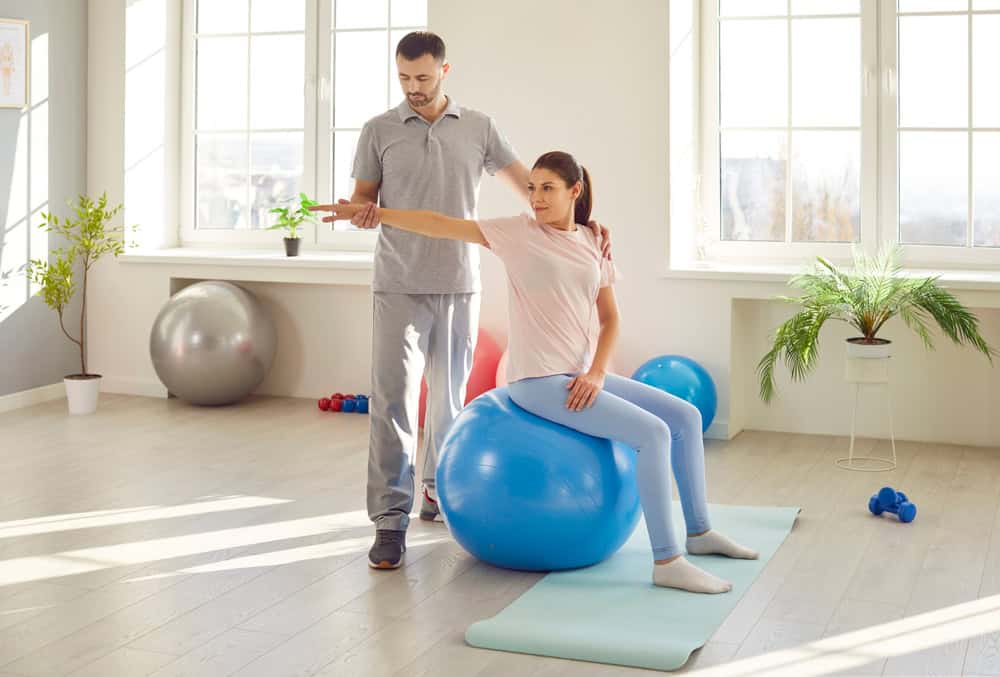
A labral tear can make the shoulder feel painful, unstable, or unreliable, especially during reaching, lifting, or rotational movements; a structured Shoulder Pain Treatment approach uses carefully progressed recovery exercises to restore stability, control, and confidence without overloading sensitive structures.
Understanding a Labral Tear
The labrum is a ring of cartilage that deepens the shoulder socket and contributes to joint stability. A tear can occur from trauma such as a fall or dislocation, repetitive overhead activity, or gradual overload over time. Labral tears vary widely in type and severity, and not all require surgery. Many respond well to targeted rehabilitation that improves how the shoulder is controlled rather than forcing excessive movement.
Common symptoms include deep shoulder pain, catching or clicking, weakness during lifting, reduced confidence in certain positions, or a feeling that the shoulder may slip. Because these symptoms can overlap with other shoulder conditions, assessment is essential before selecting exercises.
Why Exercise Selection Matters in Labral Recovery
Recovery exercises for a labral tear must balance protection and progression. The labrum contributes to stability, so exercises that improve muscular support around the joint are prioritised early. Aggressive stretching or high load movements introduced too soon can increase symptoms and delay progress.
The goal is to reduce strain on the labrum by improving rotator cuff control, scapular stability, and whole shoulder coordination. When these systems work well together, joint stress decreases and symptoms often improve.
Assessment Before Starting Exercises
Before beginning a recovery programme, assessment clarifies the type of labral involvement, current irritability, range of motion, strength, and movement control. We also consider activity demands, such as work tasks or sport, that influence exercise selection.
This ensures exercises are relevant and progressed safely. A one size fits all approach is rarely effective for labral injuries, as tolerance varies significantly between individuals.
Early Phase Recovery Exercises
The early phase focuses on pain reduction, joint awareness, and gentle activation of stabilising muscles. Exercises are performed within comfortable ranges and prioritise control over effort.
Scapular Control and Postural Support
Early work often targets the shoulder blade. Exercises encourage gentle scapular positioning and movement awareness without forcing rigid posture. This provides a stable base for arm movement and reduces unnecessary load on the shoulder joint.
Typical drills involve low load movements that improve endurance of the serratus anterior and lower trapezius while minimising upper trapezius dominance.
Rotator Cuff Activation
Low load rotator cuff exercises help centre the shoulder joint during movement. These are usually performed with the arm close to the body to minimise joint stress. The emphasis is on smooth, controlled contractions rather than strength.
Early activation improves neuromuscular control and prepares the shoulder for later strengthening phases.
Closed Chain Stability Exercises
Closed chain exercises, where the hand remains in contact with a surface, can improve joint awareness and stability with relatively low risk. Examples include supported weight bearing through the arm on a wall or table.
These exercises help retrain joint position sense and improve confidence without placing the shoulder in vulnerable positions.
Mid Phase Strength and Control Progressions
As pain settles and control improves, exercises are progressed to build strength and endurance. This phase focuses on improving load tolerance while maintaining joint stability.
Progressive Rotator Cuff Strengthening
Resistance is gradually increased using controlled ranges and slow tempo. Exercises are selected to improve endurance and coordination across different shoulder angles. Quality of movement is monitored closely to prevent compensation.
This stage is critical for reducing symptoms during daily activities and light sport specific tasks.
Dynamic Scapular Stabilisation
Scapular exercises become more dynamic, incorporating arm movement and light resistance. The goal is to maintain scapular control during reaching and lifting patterns.
Improved scapular endurance reduces strain on the labrum during repetitive activity.
Controlled Range Expansion
Range of motion is expanded gradually as tolerance improves. Exercises are introduced in directions that were previously avoided, always within symptom limits. This graded exposure helps rebuild confidence and reduces protective stiffness.
Advanced Functional and Sport Specific Exercises
The later phase prepares the shoulder for higher demand tasks. Exercises reflect the movements and loads required in work or sport, while maintaining stability and control.
Functional Strength Patterns
Exercises integrate pushing, pulling, and lifting movements that mimic real life demands. Load is increased systematically, and attention is paid to how the shoulder responds during and after training.
This phase helps identify any remaining deficits that need refinement.
Overhead and Rotational Control
For individuals who require overhead or rotational activity, exercises are progressed carefully into these ranges. The focus is on controlled movement rather than speed or power initially.
Gradual exposure reduces apprehension and prepares the shoulder for return to full activity.
Proprioception and Stability Challenges
Advanced exercises may include controlled instability, such as varying surfaces or directional changes. These drills improve the shoulder’s ability to respond to unpredictable forces, which is important for sport and dynamic work tasks.
Managing Symptoms During Exercise
Mild discomfort during exercises can be acceptable, especially when reintroducing challenging movements. However, sharp pain, catching, or increasing symptoms that persist beyond 24 hours suggest the programme needs adjustment.
Clear guidance on acceptable sensations helps prevent unnecessary fear and allows you to progress with confidence.
How Often to Perform Recovery Exercises
Frequency depends on the phase of recovery and irritability level. Early control exercises may be performed most days, while heavier strengthening requires rest days. Consistency and correct progression are more important than intensity.
Exercises should evolve over time. Staying on basic drills for too long can limit recovery, while progressing too quickly can increase symptoms.
When Surgery Has Been Performed
After labral repair surgery, exercises follow stricter timelines to protect healing tissue. Early phases focus on protection and gentle activation, with progression guided by surgical protocols and individual response.
Even in surgical cases, the principles remain the same: restore control first, then strength, then function.
Your Next Step
If shoulder pain, instability, or clicking has been limiting your confidence or activity, an assessment can clarify whether a labral tear is contributing and which exercises are most appropriate. From there, a structured plan supports safe, measurable progress.
Conclusion
Labral tear recovery exercises are most effective when they prioritise stability, control, and progressive loading rather than aggressive stretching or force. By rebuilding rotator cuff strength, scapular support, and functional movement patterns, rehabilitation reduces symptoms and restores confidence in the shoulder. With the right guidance and consistency, many people return to daily activities and sport with a shoulder that feels stable, capable, and reliable.
