
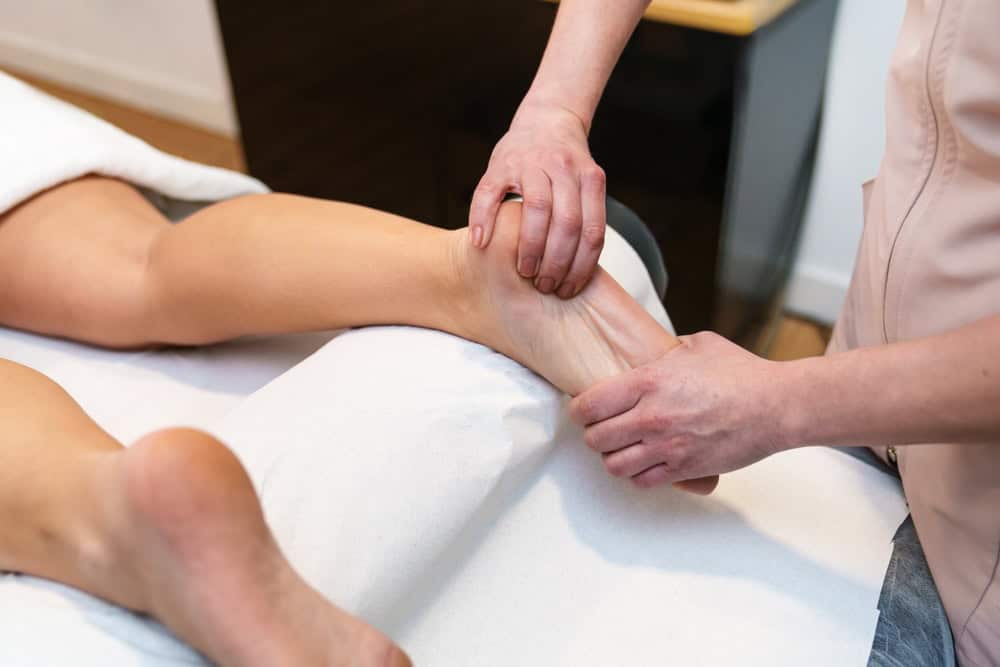
If your ankle frequently feels unstable, gives way on uneven ground, or swells after minor activity, you may be experiencing chronic ankle instability. This condition often develops after repeated sprains that were not fully rehabilitated. Over time, weakness and reduced joint control can limit confidence in walking, sport, and even daily tasks. At Adam Vital, our approach to Ankle & Foot Pain Physiotherapy focuses on identifying the root cause of instability and rebuilding strength, control, and resilience step by step. Chronic ankle instability solutions are not about temporary support alone. They are about restoring long term joint stability and functional performance.
Understanding Chronic Ankle Instability
After an ankle sprain, ligaments may heal, but the neuromuscular system often remains disrupted. This affects balance, reaction time, and joint awareness. If rehabilitation stops once pain settles, the ankle may remain vulnerable to repeated episodes of giving way.
Common Symptoms
You may notice frequent rolling of the ankle, persistent swelling, aching after activity, or hesitation during sport. Some individuals experience reduced confidence when walking on uneven surfaces or descending stairs.
Why Instability Persists
Chronic instability usually involves more than ligament laxity. Several contributing factors are often present.
Muscle Weakness
The peroneal muscles along the outside of the lower leg play a key role in preventing the ankle from rolling inward. Weakness here increases risk of recurrence.
Impaired Proprioception
Proprioception refers to your body’s ability to sense joint position. After injury, this awareness may diminish, delaying protective muscle responses.
Reduced Range of Motion
Limited ankle dorsiflexion can alter movement mechanics and increase stress during walking and sport.
Comprehensive Assessment
Your evaluation includes ligament testing, strength assessment, balance analysis, and observation of walking or running mechanics. We assess both local ankle control and the contribution of the hip and knee to overall stability. Clear findings are explained so you understand the specific drivers of your instability.
Structured Rehabilitation Solutions
Effective management combines mobility restoration, progressive strengthening, and dynamic control training.
1. Restore Joint Mobility
If stiffness is present, targeted mobility exercises and, where appropriate, manual therapy improve joint glide. Restoring normal movement prepares the ankle for strengthening work.
2. Strengthen Key Stabilisers
Calf strengthening, peroneal activation, and intrinsic foot muscle exercises rebuild structural support. Progression moves from controlled seated tasks to single leg weight bearing exercises.
3. Proprioceptive and Balance Training
Balance drills begin on stable surfaces and progress to dynamic challenges. These exercises retrain reflexive muscle responses and improve joint awareness.
4. Functional and Sport Specific Progression
For active individuals, rehabilitation advances to agility drills, hopping patterns, and directional changes. This stage ensures the ankle can tolerate real world demands without hesitation or instability.
5. Temporary Support When Needed
Taping or bracing may be recommended during early stages or return to sport. These supports are used strategically while strength and control are being rebuilt.
Measuring Progress
We track improvements in single leg balance time, strength symmetry, range of motion, and functional testing outcomes. Reduced episodes of giving way and increased confidence are key indicators of recovery.
When Surgery Is Considered
In rare cases where instability remains severe despite structured rehabilitation, surgical consultation may be discussed. However, many patients achieve excellent results with comprehensive physiotherapy.
Preventing Recurrence
Ongoing strength maintenance and gradual progression of activity protect against future sprains. Education on load management and footwear supports long term joint health.
Chronic ankle instability can limit performance and confidence, but it does not have to define your movement. With precise assessment, progressive rehabilitation, and measurable milestones, you can rebuild stability and return to activity with assurance. Book your assessment at Adam Vital Physiotherapy & Rehabilitation Center and take a structured step toward stronger, more reliable ankles and sustained performance.
