
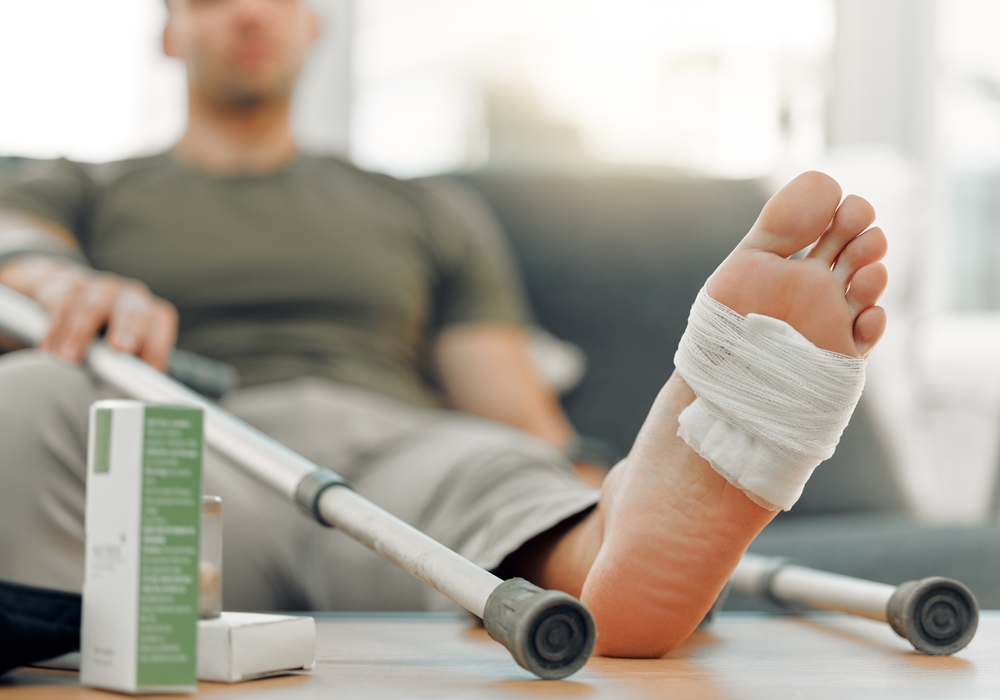
Burning, tingling, or sharp shooting pain in your foot can feel very different from typical muscle or joint discomfort. If symptoms include numbness, pins and needles, or pain that radiates into the toes, nerve entrapment may be involved. These conditions are often misunderstood and may persist if treated as simple soft tissue strain. At Adam Vital, our approach to Ankle & Foot Pain Physiotherapy includes careful assessment to determine whether nerve irritation is contributing to your symptoms. Foot pain linked to nerve entrapment requires precise diagnosis and structured rehabilitation to restore comfort and function safely.
What Is Nerve Entrapment in the Foot
Nerve entrapment occurs when a nerve becomes compressed or irritated along its pathway. In the foot and ankle, this may happen due to swelling, repetitive stress, tight footwear, or biomechanical overload. Unlike muscle pain, nerve related symptoms often feel sharp, electric, burning, or associated with altered sensation.
Common Nerve Related Conditions
Several conditions can affect the nerves in the foot.
Morton’s Neuroma
This involves irritation of a nerve between the toes, most commonly between the third and fourth toes. Symptoms include burning pain in the forefoot, tingling in the toes, and a sensation of standing on a small stone. Tight or narrow shoes may aggravate symptoms.
Tarsal Tunnel Syndrome
Compression of the posterior tibial nerve as it passes along the inside of the ankle can cause pain, numbness, or tingling in the heel and sole of the foot. Symptoms may worsen with prolonged standing or walking.
Superficial Peroneal Nerve Irritation
This nerve runs along the outer ankle and foot. Previous ankle sprains or scar tissue may irritate it, leading to sharp or radiating discomfort.
Why Nerve Pain Develops
Nerve entrapment is often secondary to mechanical stress or inflammation.
Swelling After Injury
Following an ankle sprain or overuse injury, swelling can increase pressure within confined spaces around nerves.
Biomechanical Overload
Excessive pronation, rigid arches, or poor footwear may increase compression on specific nerve pathways.
Repetitive Stress
High levels of impact activity without adequate recovery can irritate sensitive neural tissue.
Assessment and Diagnosis
A structured clinical assessment distinguishes nerve related pain from tendon, ligament, or joint issues. We evaluate symptom patterns, sensation changes, muscle strength, and specific nerve tension tests. Clear explanation ensures you understand the source of your discomfort and the reasoning behind treatment recommendations.
Management Strategies
Effective management focuses on reducing nerve irritation while correcting contributing mechanical factors.
Load Modification
Temporarily adjusting aggravating activities reduces ongoing compression. This may involve modifying running volume, reducing prolonged standing, or adjusting footwear.
Mobility and Soft Tissue Work
Where tight structures contribute to compression, targeted mobility exercises and manual techniques may relieve mechanical pressure around the nerve pathway.
Nerve Gliding Exercises
Specific controlled movements encourage healthy nerve mobility within surrounding tissues. These exercises are introduced carefully to avoid symptom flare ups.
Strengthening and Biomechanical Correction
Improving intrinsic foot muscle strength, calf capacity, and hip control can reduce excessive strain that contributes to nerve irritation. Addressing the entire kinetic chain ensures sustainable improvement.
Footwear and Support Guidance
Wider toe box shoes, appropriate cushioning, or temporary orthotic support may reduce compression in certain cases. Recommendations are personalised to your daily activity demands.
What to Expect During Recovery
Nerve related symptoms often improve gradually. Mild tingling during early rehabilitation may occur, but sharp or escalating pain is monitored closely. Consistency with the program is essential for sustained improvement.
When Further Investigation Is Required
If symptoms are severe, progressive, or associated with significant weakness, further medical evaluation may be recommended to rule out systemic or spinal contributors.
Foot pain caused by nerve entrapment can be unsettling, but with accurate diagnosis and targeted rehabilitation, recovery is achievable. By reducing irritation, correcting mechanics, and restoring strength, you can return to walking and activity with greater comfort and confidence. Book your assessment at Adam Vital Physiotherapy & Rehabilitation Center and take the next step toward precise care, reduced nerve irritation, and measurable functional progress.
