
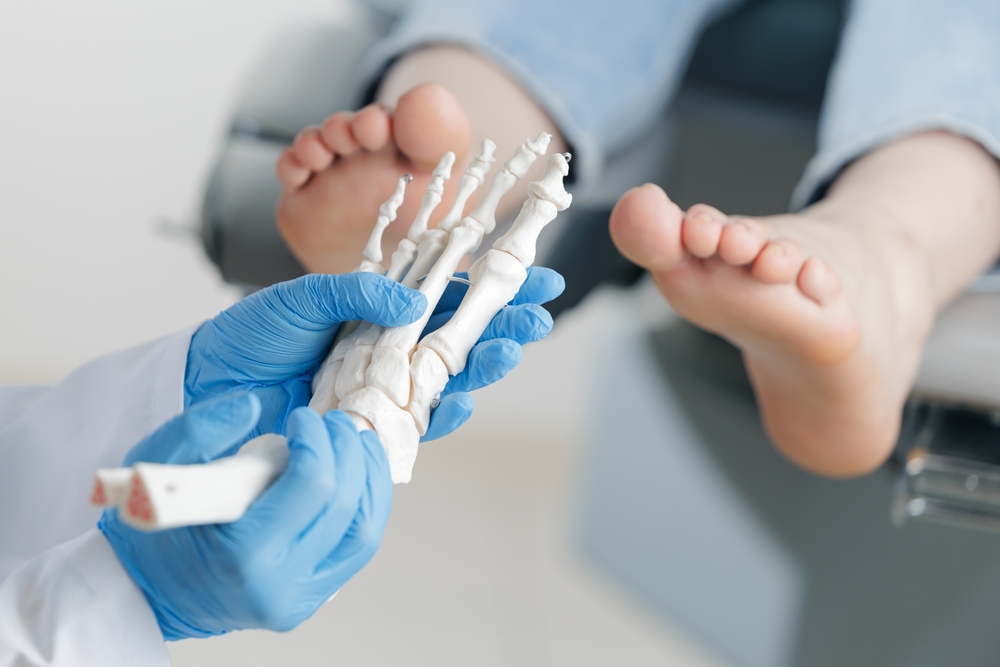
Sharp, burning pain in the ball of your foot, tingling in the toes, or the sensation of walking on a small pebble can make everyday movement uncomfortable. These symptoms are often linked to Morton’s neuroma, a condition involving irritation of a nerve between the toes. Left unmanaged, discomfort can progress and limit walking tolerance, exercise, and footwear choices. At Adam Vital, our approach to Ankle & Foot Pain Physiotherapy includes structured Morton’s neuroma physiotherapy focused on reducing nerve irritation, correcting mechanical overload, and restoring confident movement. The aim is measurable improvement without unnecessary procedures where conservative care is appropriate.
What Is Morton’s Neuroma
Morton’s neuroma involves thickening and irritation of a digital nerve, most commonly between the third and fourth toes. Repetitive compression and shear forces cause inflammation around the nerve, leading to pain and altered sensation.
Common Symptoms
You may experience burning or sharp forefoot pain, tingling in adjacent toes, or numbness that worsens with prolonged walking. Tight or narrow shoes often aggravate symptoms. Some individuals describe relief when removing footwear and massaging the foot.
Why It Develops
Morton’s neuroma is rarely caused by a single event. It is typically the result of cumulative mechanical stress.
Footwear Compression
Narrow toe boxes and high heels increase pressure between the metatarsal heads, compressing the nerve.
Biomechanical Overload
Excessive pronation, rigid arches, or altered gait mechanics can increase forefoot pressure and shear forces.
Repetitive Impact
Running or high impact activity without adequate load management may aggravate symptoms.
Comprehensive Assessment
Your evaluation includes assessment of foot posture, gait mechanics, forefoot mobility, and nerve sensitivity. Specific clinical tests help differentiate Morton’s neuroma from stress fractures, joint irritation, or tendon pathology. Clear explanation ensures you understand the source of symptoms and the reasoning behind your treatment plan.
Physiotherapy Management Approach
1. Load Modification
Temporarily reducing aggravating activities helps calm nerve irritation. This may involve adjusting running volume or avoiding prolonged standing during flare ups.
2. Footwear Guidance
Wider toe box shoes reduce compression between the metatarsals. Lower heel height and adequate forefoot space allow natural toe splay and decrease nerve pressure.
3. Metatarsal Offloading Techniques
Padding or taping may redistribute pressure away from the irritated nerve. These techniques are used strategically while underlying mechanics are addressed.
4. Mobility and Soft Tissue Work
Improving forefoot and ankle mobility reduces abnormal stress patterns. Manual techniques may be applied where appropriate to enhance joint movement.
5. Strengthening and Biomechanical Correction
Intrinsic foot muscle strengthening improves arch control and reduces excessive forefoot loading. Calf strengthening and hip stability work optimise overall gait mechanics.
6. Nerve Mobility Exercises
Gentle nerve gliding techniques encourage healthy movement of neural tissue within surrounding structures. These are introduced carefully to avoid symptom aggravation.
What to Expect During Recovery
Symptoms often improve gradually with consistent management. Mild tingling during early exercises may occur, but sharp or escalating pain is avoided. Progress is measured through reduced pain frequency, increased walking tolerance, and improved comfort in daily footwear.
When Additional Intervention Is Needed
If conservative care does not sufficiently reduce symptoms, referral for further medical assessment may be considered. Many cases respond well to structured physiotherapy without surgical intervention.
Preventing Recurrence
Maintaining foot strength, monitoring footwear choices, and progressing activity levels gradually reduce long term recurrence risk. Education ensures you understand how to protect your forefoot during high demand activities.
Morton’s neuroma can disrupt daily comfort and confidence, but targeted physiotherapy offers a structured path toward relief. By reducing nerve irritation, correcting mechanics, and strengthening supportive structures, you can restore walking comfort and return to activity safely. Book your assessment at Adam Vital Physiotherapy & Rehabilitation Center and take the next step toward reduced forefoot pain, improved function, and sustained movement confidence.
