
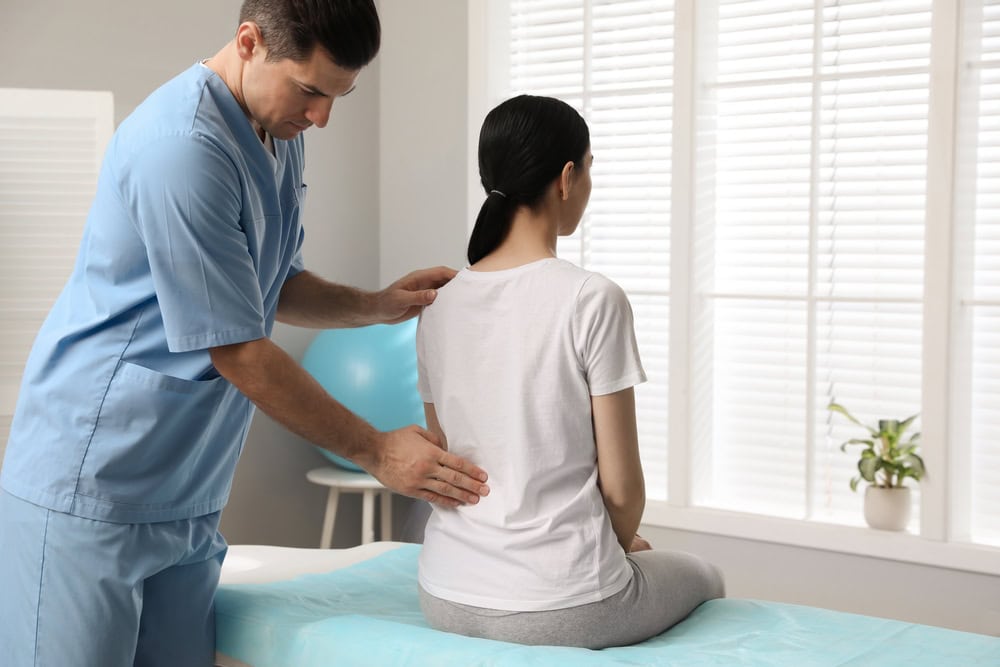
Scoliosis does not only affect the shape of the spine, it can quietly influence how you sit, stand, work, exercise, and recover from daily demands, which is why understanding its real-world impact is a key part of effective Scoliosis Treatment, allowing management to focus on function, comfort, and long-term independence rather than appearance alone.
How scoliosis influences daily life
The effects of scoliosis often develop gradually, meaning many people adapt their habits over time without realising how much effort their body is using to cope.
These adaptations can lead to fatigue, discomfort, and reduced tolerance for activities that once felt easy, even when pain is not constant or severe.
Sitting and desk-based activities
Prolonged sitting is one of the most common challenges for people with scoliosis, particularly in modern work and study environments.
Uneven spinal loading
Asymmetrical curves often lead to weight shifting, slumping, or twisting during sitting, increasing stress on certain joints and muscles.
Muscle fatigue
Muscles on one side of the spine may work harder to maintain posture, leading to early fatigue, stiffness, or discomfort during long periods of sitting.
Reduced concentration
Persistent low-level discomfort can affect focus and productivity, even when pain is not severe.
Standing and tolerance for upright posture
Standing still can be surprisingly demanding for individuals with scoliosis.
Postural imbalance
Uneven weight distribution through the spine, pelvis, and legs can make standing feel tiring or uncomfortable over time.
Frequent position changes
Many people find themselves shifting weight or changing position often to relieve strain, which can be misinterpreted as restlessness rather than physical fatigue.
Impact on work and social situations
Occupations or events that require prolonged standing can become challenging without appropriate management strategies.
Walking and general mobility
Scoliosis can subtly influence walking patterns and overall movement efficiency.
Altered gait mechanics
Spinal asymmetry may affect how forces are transferred through the hips and legs, leading to compensatory movement patterns.
Reduced endurance
Walking longer distances may become tiring more quickly due to uneven muscle workload and reduced efficiency.
Lower limb discomfort
In some cases, altered mechanics can contribute to hip, knee, or foot discomfort during prolonged walking.
Lifting, carrying, and household tasks
Everyday tasks often place uneven demands on a spine affected by scoliosis.
Asymmetrical loading during lifting
Carrying shopping bags, lifting children, or handling household items can increase strain if load is not managed evenly.
Fear of injury
Some individuals avoid lifting tasks due to concern about causing pain or damage, which can limit independence.
Increased reliance on compensation
Without guidance, the body may rely on less efficient strategies that increase fatigue or discomfort.
Impact on exercise and physical activity
Scoliosis does not mean exercise should be avoided, but it can influence how activity feels and how it should be approached.
Reduced movement confidence
Fear of worsening the curve or triggering pain can limit participation in exercise, even when activity would be beneficial.
Asymmetrical strength and control
Muscle imbalances can affect technique, increasing injury risk if not addressed.
Fatigue during training
Uneven muscle workload often leads to earlier fatigue, particularly during endurance-based activities.
Breathing and energy levels
In moderate to more pronounced scoliosis, breathing mechanics can also influence daily function.
Restricted rib movement
Spinal rotation can limit expansion on one side of the rib cage, affecting breathing efficiency.
Increased effort during activity
Less efficient breathing can make physical activity feel more demanding than expected.
Upper body tension
Overuse of neck and shoulder muscles during breathing can contribute to tension and headaches.
Sleep and recovery
Quality sleep is essential for recovery, and scoliosis can influence rest.
Difficulty finding comfortable positions
Spinal asymmetry can make certain sleeping positions uncomfortable, leading to frequent position changes.
Morning stiffness
Reduced overnight movement or poor positioning may increase stiffness on waking.
Impact on overall recovery
Poor sleep quality can amplify pain sensitivity and fatigue during the day.
Psychological and emotional impact
The functional effects of scoliosis are not purely physical.
Ongoing vigilance
Constantly managing posture or discomfort can be mentally tiring.
Body awareness and confidence
Concerns about posture or movement may affect confidence in social or professional settings.
Frustration with limitations
Reduced tolerance for activities can lead to frustration, particularly when limitations are subtle but persistent.
How physiotherapy addresses daily function
Effective scoliosis management focuses on improving how you live and move, not just clinical measurements.
Improving movement efficiency
Physiotherapy targets posture, strength, and coordination so everyday tasks require less effort.
Reducing symptom triggers
Identifying and addressing the specific activities that aggravate symptoms allows for practical, sustainable change.
Building confidence and resilience
With better control and understanding, many people regain confidence in their ability to move and stay active.
Why individual impact varies
Not everyone with scoliosis experiences the same level of functional impact.
Curve type and location
The position and pattern of the curve influence which activities are most affected.
Lifestyle and demands
Work, activity level, and daily routines play a major role in symptom development.
Movement habits and conditioning
Strength, flexibility, and movement awareness significantly influence functional outcomes.
Recognising when support is needed
Early support can prevent small functional issues from becoming limiting problems.
Persistent fatigue or discomfort
Regular tiredness or discomfort during routine tasks is a signal that the spine is working harder than it should.
Reduced activity tolerance
Avoiding activities you previously managed comfortably often indicates the need for assessment.
Loss of confidence in movement
Fear or uncertainty around movement is an important reason to seek guidance.
What to expect from function-focused care
A function-focused approach explains how scoliosis is affecting your daily life, identifies the most relevant priorities, and provides clear strategies to improve comfort, efficiency, and confidence.
If scoliosis has been influencing how you work, move, exercise, or recover, the next step is a comprehensive assessment to understand its impact on your daily function and develop a personalised plan that supports long-term comfort, independence, and quality of life.
