
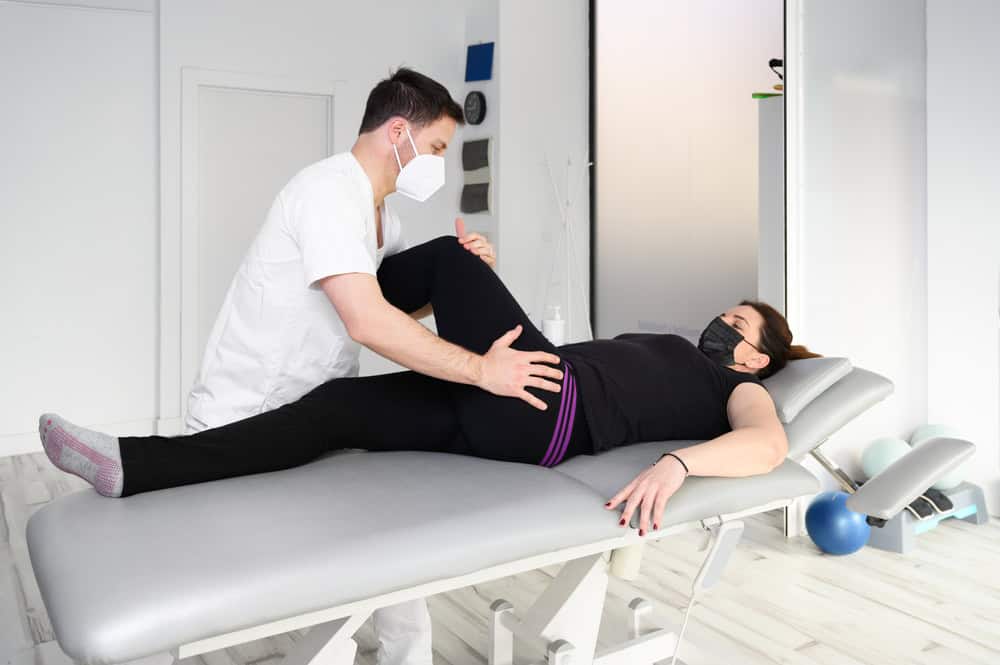
After sciatica improves, many people worry about it returning, especially if a flare-up once disrupted work, sleep, or exercise, and preventing recurrence becomes just as important as relieving symptoms, which is why long-term planning is a core part of effective Sciatica Treatment, focusing on resilience, movement quality, and load tolerance rather than short-term relief alone.
Why Sciatica Often Comes Back
Sciatica recurrence is rarely random. In most cases, symptoms return because the underlying contributors were never fully addressed or because daily demands gradually exceeded the body’s capacity. Pain may settle, but if strength, control, posture, or load management do not improve, the nervous system remains vulnerable.
Common triggers include prolonged sitting, sudden increases in activity, poor lifting habits, reduced exercise consistency, or long periods of stress and fatigue. These factors accumulate quietly until symptoms reappear.
The Difference Between Recovery and Resilience
Recovery refers to reducing pain and restoring basic function. Resilience means your spine and nervous system can tolerate everyday stresses without becoming reactive.
Preventing recurrence requires moving beyond symptom resolution toward building capacity. This includes strength, endurance, movement confidence, and realistic lifestyle strategies that fit your routine.
Key Pillars of Sciatica Recurrence Prevention
Consistent Movement, Not Occasional Effort
Regular movement keeps spinal tissues healthy and nerves tolerant. Long gaps between activity followed by sudden intense effort increase recurrence risk. Short, consistent sessions are more protective than sporadic training.
Load Management Awareness
Your spine responds to cumulative load. Sitting, standing, walking, lifting, and training all contribute. Being aware of how these loads add up across the day helps prevent overload before symptoms appear.
Strength and Control Around the Spine and Hips
Strong, well-coordinated trunk and hip muscles reduce unnecessary strain on the lumbar spine. This support allows daily movements to feel controlled rather than effortful or guarded.
Maintaining a Protective Exercise Routine
Exercise does not need to be complex, but it must be purposeful and consistent.
Trunk and Pelvic Stability
Exercises that reinforce spinal control during movement help maintain stability under load. These should be progressed over time and revisited regularly, even after symptoms have settled.
Hip Strength and Mobility
Efficient hip movement reduces compensatory spinal motion. Maintaining hip strength and mobility lowers recurrence risk, particularly for people who sit frequently or engage in repetitive activities.
Cardiovascular Activity
Walking, cycling, or swimming support circulation, nervous system regulation, and general conditioning. These activities help maintain tolerance for daily demands and reduce sensitivity.
Posture and Daily Habit Awareness
Posture matters most when it becomes prolonged or repetitive.
Sitting Habits
Varying sitting positions, using supportive setups, and taking regular movement breaks reduce sustained spinal stress. No posture is protective if held too long.
Lifting and Carrying
Using the hips and legs effectively, keeping loads close to the body, and avoiding rushed movements reduce sudden spinal strain. These habits become especially important during busy or fatigued periods.
Sleep and Recovery
Quality sleep supports tissue recovery and nervous system regulation. Poor sleep increases pain sensitivity and reduces tolerance for load the following day.
Managing Early Warning Signs
Recurrence prevention is not about eliminating all discomfort, but about recognising early signals and responding appropriately.
Subtle stiffness, mild leg symptoms, or reduced sitting tolerance often appear before a flare-up. Adjusting activity, increasing movement breaks, or revisiting foundational exercises early can prevent escalation.
The Role of Stress and Fatigue
Psychological stress and physical fatigue increase nervous system sensitivity. During high-stress periods, the threshold for symptoms lowers, even if physical activity remains unchanged.
Simple strategies such as pacing, realistic workload planning, and maintaining basic movement routines during busy periods can significantly reduce recurrence risk.
Why Avoidance Increases Recurrence Risk
After a painful episode, it is common to avoid certain movements or activities. While short-term caution is sensible, long-term avoidance reduces strength and confidence, making the spine more vulnerable over time.
Gradual re-exposure to feared movements in a controlled way builds resilience and reduces future flare-ups.
Periodic Reassessment and Progression
Your body and lifestyle change over time. Work demands, fitness levels, and activity preferences evolve, and your prevention strategy should adapt accordingly.
Periodic reassessment ensures exercises remain relevant, loads are appropriate, and early issues are addressed before they become limiting.
What Long-Term Success Looks Like
Successful recurrence prevention does not mean never feeling back or leg discomfort again. It means symptoms are less frequent, less intense, and easier to manage when they appear.
Confidence in movement, predictable activity tolerance, and the ability to self-adjust are key markers of durable recovery.
Your Next Step
If you have recovered from sciatica and want to reduce the risk of recurrence, a structured review can identify any remaining vulnerabilities and help you build a realistic, sustainable plan that fits your work, family, and activity goals.
Conclusion: Preventing sciatica recurrence requires more than symptom relief. By maintaining consistent movement, managing load, strengthening supportive systems, and responding early to warning signs, you can build resilience and confidence that protect your spine long after pain has settled, supporting long-term function and quality of life.
