
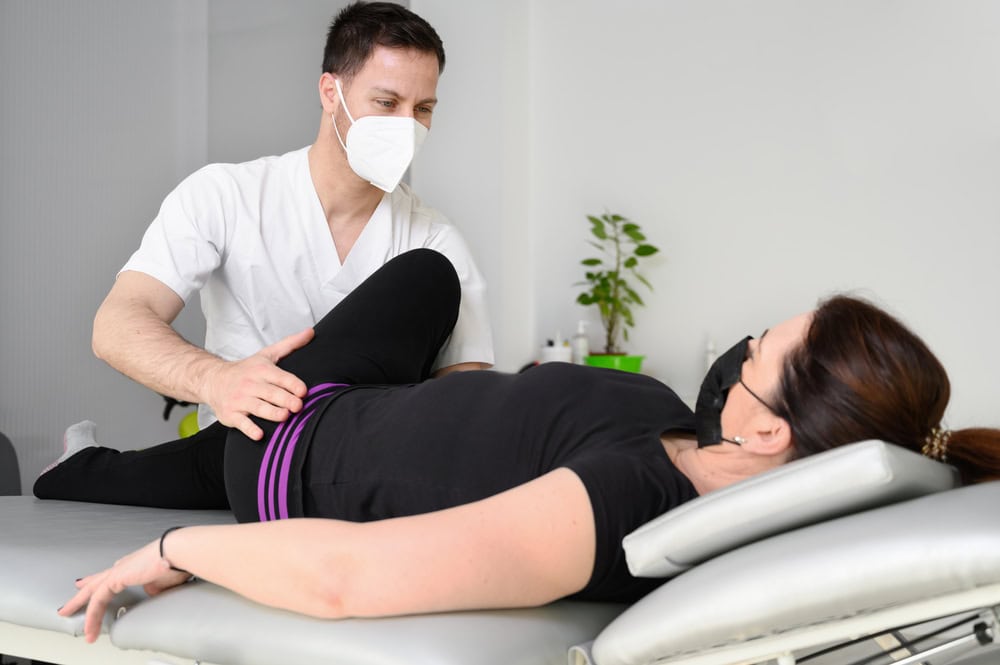
A sciatica flare-up can feel discouraging, especially when pain suddenly increases after a period of progress, but flare-ups are a common part of recovery rather than a sign of failure, and knowing how to respond calmly and effectively is a key component of long-term Sciatica Treatment, helping you regain control and prevent short-term setbacks from becoming long-term problems.
What a Sciatica Flare-up Really Is
A flare-up refers to a temporary increase in symptoms such as leg pain, back discomfort, tingling, or stiffness. It does not necessarily mean that new damage has occurred. In many cases, flare-ups reflect increased nerve sensitivity, fatigue, or cumulative load that exceeded current tolerance.
Understanding this distinction is important. When flare-ups are viewed as part of the normal adaptation process rather than a threat, recovery becomes more predictable and less stressful.
Common Triggers for Sciatica Flare-ups
Flare-ups are often linked to identifiable changes in routine rather than a single movement.
Sudden Increases in Activity
Doing more walking, sitting, lifting, or exercise than usual, even if it feels manageable at the time, can overload the system and lead to delayed symptom increases.
Prolonged Static Positions
Long periods of sitting, driving, or standing without movement breaks increase nerve irritation and stiffness.
Fatigue and Stress
Poor sleep, high stress, or illness lower pain thresholds and reduce tolerance for load, making symptoms more reactive.
Reduced Exercise Consistency
Stopping supportive exercises or movement routines for several days can lead to increased stiffness and sensitivity when activity resumes.
First Response: What to Do When a Flare-up Starts
Stay Calm and Avoid Panic
The initial reaction to pain often determines how long a flare-up lasts. Catastrophising or complete shutdown increases muscle tension and nervous system sensitivity.
Modify, Do Not Stop, Movement
Complete rest often worsens stiffness and prolongs symptoms. Instead, reduce intensity and volume while maintaining gentle movement such as short walks or comfortable mobility.
Identify Recent Load Changes
Think back over the last few days. Changes in sitting time, exercise intensity, travel, or stress often explain symptom increases and help guide adjustments.
Short-Term Symptom Management Strategies
Positioning for Comfort
Use positions that reduce symptoms, such as side lying with pillow support, supported sitting, or brief standing breaks. Comfort helps calm the nervous system and reduces guarding.
Gentle Movement and Mobility
Low-intensity movement keeps tissues hydrated and reduces protective stiffness. Movements should feel easy and controlled, not forced.
Breathing and Relaxation
Slow, controlled breathing reduces muscle tension and nervous system arousal, which can otherwise amplify pain during flare-ups.
Heat or Cold as Support
Some people find heat helpful for muscle tension, while others prefer cold for symptom relief. These are comfort tools rather than cures and should be used based on individual response.
Adjusting Activity During a Flare-up
Reduce to Baseline
Return to an activity level you know you can tolerate without escalation. This may mean shorter walks, fewer exercises, or more frequent breaks.
Avoid Testing Limits
Flare-ups are not the time to see what you can push through. This often prolongs symptoms rather than resolving them.
Maintain Daily Structure
Keeping a predictable routine helps regulate the nervous system. Irregular activity patterns often increase sensitivity.
Exercise During a Flare-up
Exercise remains important, but it must be adapted.
Focus on Low-Irritation Exercises
Choose exercises that do not significantly reproduce leg pain. This may include gentle trunk control work, comfortable range movements, or walking within tolerance.
Reduce Volume Before Intensity
If symptoms increase, first reduce repetitions, sets, or duration rather than eliminating exercises entirely.
Monitor Next-Day Response
How symptoms behave the following day is often more important than how they feel during exercise. Use this feedback to guide progression.
When a Flare-up Should Settle
Most flare-ups begin to settle within days when load is adjusted appropriately. Improvement may be gradual rather than immediate, with reduced intensity and quicker recovery after activity.
If symptoms remain unchanged or worsen despite appropriate modification, further assessment may be required.
Warning Signs That Need Review
While most flare-ups are benign, certain signs should not be ignored.
Progressive Weakness or Numbness
Increasing loss of strength or sensation requires prompt assessment.
Loss of Bladder or Bowel Control
This is a medical emergency and requires immediate attention.
Severe, Unrelenting Pain
Pain that does not respond to any modification or worsens rapidly should be reviewed.
Preventing Future Flare-ups
Each flare-up provides information. Identifying patterns helps prevent recurrence.
Improve Activity Pacing
Gradual, consistent activity progression reduces sensitivity and overload.
Maintain Foundational Exercises
Regular strength and control work supports spinal resilience even when symptoms are minimal.
Plan for High-Demand Periods
Travel, deadlines, or busy work periods often require proactive adjustments to reduce flare risk.
Building Confidence After a Flare-up
It is common to feel hesitant after pain increases. Confidence returns through gradual exposure, not avoidance. Returning to normal activity in a controlled way reinforces trust in movement and reduces fear-based guarding.
Each successfully managed flare-up strengthens self-management skills and long-term outcomes.
Your Next Step
If flare-ups feel frequent, unpredictable, or difficult to manage, a structured assessment can identify the factors driving symptom reactivity and refine your strategy so setbacks become shorter and less disruptive.
Conclusion: Sciatica flare-ups are a common part of recovery and do not mean you are back at the beginning. With calm response, appropriate activity modification, and consistent movement, flare-ups can be managed effectively and often resolve quickly. Learning to respond strategically rather than reactively is one of the most powerful tools for long-term sciatica control and confidence.
