
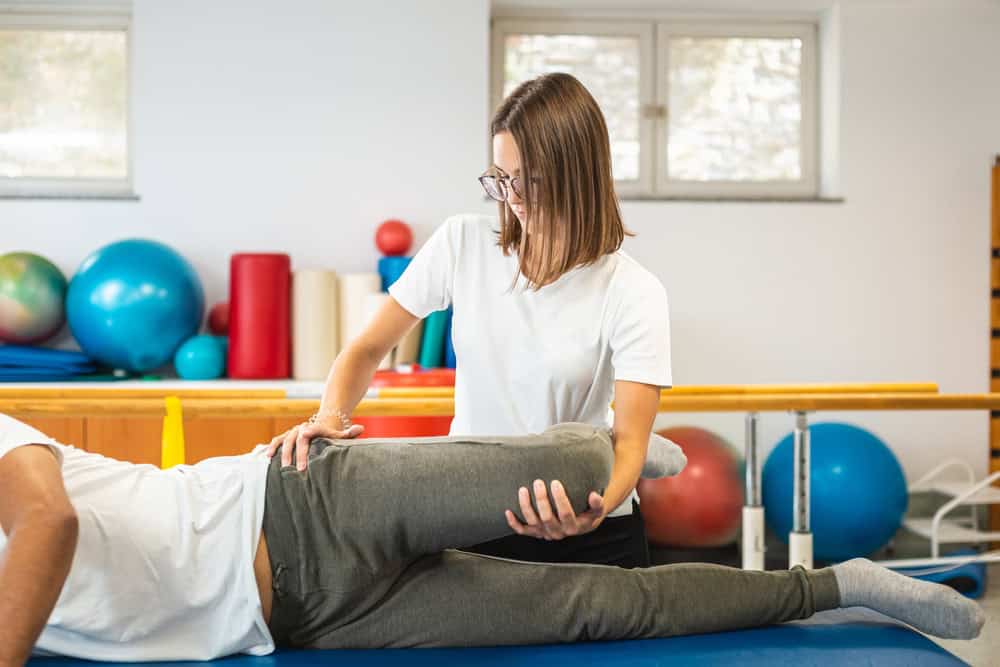
When sciatica or persistent leg pain is linked to nerve compression, the role of core strength is often misunderstood, with many people either over-bracing or avoiding exercise altogether, yet well-developed, well-coordinated core control is a key component of effective Sciatica Treatment, because it directly influences how spinal load is managed and how much stress is placed on sensitive nerve structures.
How Nerve Compression Develops in the Lumbar Spine
Nerve compression in the lower back occurs when structures such as discs, joints, or surrounding tissues place sustained pressure on spinal nerve roots. This compression is rarely caused by one isolated movement. More commonly, it develops when the spine is repeatedly exposed to poor load distribution over time.
When the lumbar spine lacks adequate muscular support, everyday activities such as sitting, bending, lifting, or prolonged standing place greater strain on passive structures. Over time, this increases the likelihood of irritation and compression of nearby nerves.
The Role of the Core in Spinal Load Management
The core is not a single muscle group but a coordinated system that includes the trunk, pelvis, and hips working together to control movement and absorb load. Its primary role is not to create rigidity, but to provide dynamic support so the spine can move safely under varying demands.
When core control is insufficient, the spine may collapse into end-range positions or move excessively during tasks that should be well supported. This increases compression forces and reduces the spine’s ability to tolerate load without symptoms.
Why Weakness Is Not the Whole Problem
Many people assume nerve compression is caused purely by weak muscles, but the issue is often timing and endurance rather than strength alone. Core muscles may activate too late, fatigue quickly, or fail to coordinate effectively with the hips and breathing system.
This lack of coordination allows repeated micro-stress on spinal segments, which can aggravate nerve roots even during low-intensity activities such as desk work or household tasks.
How Core Strength Reduces Nerve Compression
Improved Segmental Control
Effective core activation limits excessive movement at vulnerable spinal segments. This reduces repeated compression or shear forces that irritate nerve roots during daily movement.
Better Load Distribution
When the core and hips share load efficiently, pressure is distributed across multiple structures rather than concentrated in the lower back. This reduces stress on discs and joints that commonly contribute to nerve compression.
Reduced Protective Guarding
Poor core control often leads to excessive muscle guarding around the spine. This stiffness can increase compression rather than protect the area. Balanced core strength allows muscles to support movement without over-tension.
Common Core Training Mistakes in Nerve Pain
Over-Bracing the Abdomen
Constantly holding the abdomen rigid increases spinal compression and fatigue. Core support should feel responsive and adaptable, not locked.
Aggressive Flexion or Twisting
Repeated sit-ups, Russian twists, or deep spinal flexion exercises can increase nerve irritation in some individuals, particularly during active symptoms.
Ignoring Breathing Control
Breath holding during core exercises increases internal pressure and spinal load. Coordinated breathing supports stability without excessive compression.
Core Training Principles for Nerve Compression
Low Load, High Control
Early-stage core work should focus on precision and endurance rather than intensity. Exercises should feel controlled and sustainable.
Neutral Spine Focus
Training should emphasise maintaining a comfortable neutral spine while the arms or legs move. This teaches the body to protect the spine during real-life tasks.
Integration With Hip Movement
The hips play a major role in reducing spinal stress. Effective core training integrates hip movement to prevent compensation through the lower back.
Progression Toward Function
Core strength must translate into sitting, lifting, walking, and work or sport-specific tasks. Static exercises alone are not enough for long-term protection.
How Core Strength Fits Into Sciatica Recovery
In nerve compression-related sciatica, core strengthening helps create a stable environment that allows irritated nerves to calm. Reduced mechanical stress supports symptom reduction and improves tolerance for movement and activity.
As symptoms settle, progressive core loading helps prevent recurrence by increasing the spine’s capacity to handle daily demands without becoming reactive.
What Progress Should Look Like
Improvements are often noticed first in confidence rather than pain alone. Sitting feels more stable, movements feel smoother, and flare-ups become less frequent or less intense.
Over time, better endurance and control allow return to higher-level activity without the same sensitivity.
When Core Strength Alone Is Not Enough
Core training is most effective when combined with attention to posture, activity pacing, nerve mobility, and overall load management. Persistent nerve compression often reflects multiple contributing factors rather than one isolated weakness.
A structured assessment helps identify which elements require priority and how core work should be tailored to your specific presentation.
Your Next Step
If nerve-related pain has limited your activity or confidence, understanding how your core supports spinal load is an important step toward lasting improvement. A targeted plan ensures exercises reduce compression rather than increase it and progress in line with your daily demands.
Conclusion: Core strength plays a critical role in managing nerve compression by improving spinal control, distributing load, and reducing unnecessary stress on sensitive structures. When trained with precision and progressed into functional movement, it supports both symptom relief and long-term resilience, helping you move with greater confidence and reduced risk of recurrence.
