
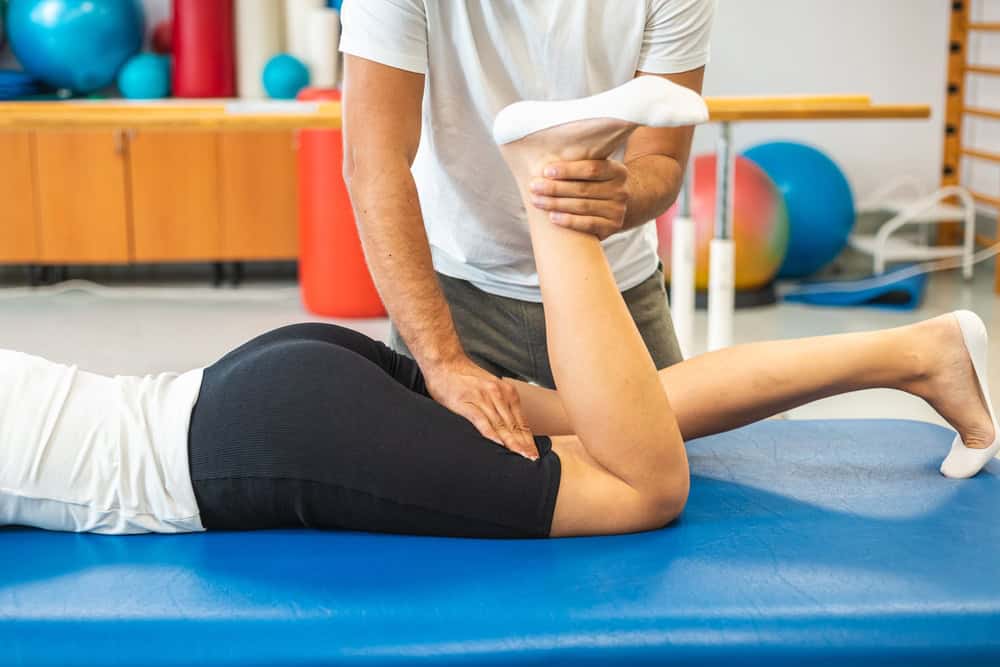
Many people with sciatic pain focus only on the lower back, yet the position and control of the pelvis often play a decisive role in how much stress is placed on the lumbar spine and sciatic nerve, which is why pelvic positioning is a key consideration in effective Sciatica Treatment, helping reduce irritation, improve movement efficiency, and support more lasting relief.
Why Pelvic Position Matters in Sciatica
The pelvis acts as the foundation for the spine. Its position directly influences spinal curvature, joint loading, and muscle activation. When pelvic alignment is poorly controlled or held in extreme positions for long periods, the lumbar spine is forced to compensate, often increasing pressure on discs and nerve structures.
Sciatic symptoms can worsen not because of one incorrect movement, but because the pelvis repeatedly places the spine in positions that increase nerve sensitivity during sitting, standing, walking, or lifting.
Understanding Neutral Pelvic Position
A neutral pelvic position is where the pelvis sits between excessive forward tilt and excessive backward tilt. In this position, the spine maintains its natural curves and muscles can share load efficiently.
Anterior Pelvic Tilt
When the pelvis tips too far forward, the lower back arches excessively. This can increase compression through the lumbar joints and contribute to fatigue and nerve irritation, particularly during prolonged standing or walking.
Posterior Pelvic Tilt
When the pelvis tilts backward, the lower back flattens. This position often increases disc pressure and is commonly associated with slouched sitting, which can aggravate sciatic symptoms during long periods at a desk or in the car.
How Poor Pelvic Control Affects the Sciatic Nerve
The sciatic nerve is sensitive to sustained compression and repeated strain. When pelvic positioning is poorly controlled, even low-load activities can repeatedly stress the nerve.
For example, prolonged posterior tilt during sitting can increase disc pressure, while excessive anterior tilt during walking or lifting can increase joint compression. Over time, this repeated exposure increases nerve sensitivity and reduces tolerance for everyday activity.
Common Signs Pelvic Position May Be Contributing
Pelvic positioning may be a factor if symptoms worsen with prolonged sitting or standing, if pain fluctuates with posture changes, or if one side consistently feels tighter or more reactive than the other.
It is also relevant when symptoms improve temporarily with posture changes but return once fatigue sets in, suggesting a control issue rather than a fixed structural problem.
Pelvic Positioning in Sitting
Sitting is one of the most common aggravators of sciatic pain because it encourages posterior pelvic tilt.
Supporting the Pelvis
Sitting with the hips slightly higher than the knees encourages a more neutral pelvic position. A small lumbar support can help maintain alignment without forcing posture.
Allowing Movement
No pelvic position is protective if held too long. Subtle pelvic movement, posture changes, and regular standing breaks reduce sustained nerve stress.
Pelvic Positioning in Standing and Walking
In standing, excessive anterior pelvic tilt often develops with fatigue or poor trunk and hip control.
Balanced Weight Distribution
Standing with weight evenly distributed through both feet reduces compensatory pelvic shifting that can irritate one side of the spine.
Hip Contribution During Walking
Efficient hip movement reduces the need for excessive pelvic tilt or spinal compensation. When the hips absorb load well, the spine and nerves experience less stress.
Pelvic Control During Lifting and Daily Tasks
Lifting, bending, and reaching require coordinated pelvic and spinal control. Poor pelvic positioning during these tasks often leads to repeated micro-strain.
Using the Hips Effectively
Allowing the hips to move while the pelvis remains controlled reduces excessive spinal motion and nerve irritation.
Avoiding End-Range Positions
Repeated lifting from deep flexed or overarched positions increases cumulative stress. Staying closer to neutral improves tolerance.
Exercises That Support Pelvic Control
Improving pelvic positioning is not about holding a posture rigidly. It is about developing awareness, endurance, and coordination.
Low-Load Control Exercises
Exercises that teach controlled pelvic movement and neutral positioning help restore awareness and reduce reliance on passive structures.
Integration With Core and Hip Strength
Pelvic control depends on coordinated support from the trunk and hips. Strengthening these areas improves the pelvis’s ability to maintain optimal positioning during real-life activity.
How Pelvic Positioning Supports Long-Term Relief
When pelvic positioning improves, the spine experiences less repetitive stress and the sciatic nerve has a greater chance to calm. Over time, this leads to improved tolerance for sitting, standing, and movement without frequent flare-ups.
This approach supports resilience rather than avoidance, allowing activity levels to increase safely.
Common Mistakes to Avoid
Over-Correcting Posture
Forcing the pelvis into an exaggerated position increases fatigue and stiffness. Neutral should feel comfortable and sustainable.
Ignoring Fatigue
Pelvic control often deteriorates with fatigue. Regular breaks and pacing are essential to maintain alignment.
Focusing on One Position Only
Pelvic positioning must adapt across sitting, standing, and movement. Training only one context limits real-world benefit.
Your Next Step
If sciatic pain persists despite general exercise or posture changes, assessing pelvic positioning can reveal hidden contributors that influence nerve stress. A structured assessment allows pelvic control strategies to be tailored to your daily activities and goals.
Conclusion: Pelvic positioning plays a crucial role in sciatic relief by shaping how the spine handles load and how much stress is placed on the sciatic nerve. By improving awareness, control, and endurance of pelvic alignment across daily activities, you can reduce irritation, improve movement efficiency, and support more durable, long-term recovery.
