
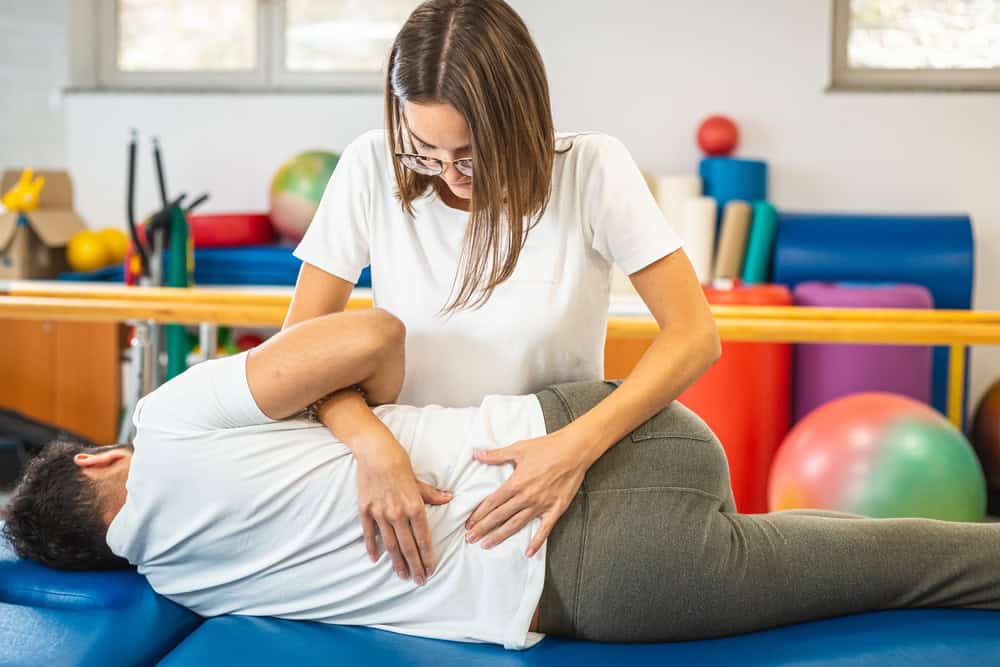
Sciatic pain during pregnancy can be unsettling, especially when everyday movements such as walking, sleeping, or standing up become uncomfortable, and understanding why symptoms appear and how to manage them safely is an important part of supportive Sciatica Treatment, allowing you to stay active, comfortable, and confident as your body changes.
Why Sciatica Can Occur During Pregnancy
Pregnancy places unique demands on the body. As the uterus grows, posture, load distribution, and movement patterns change. These changes can increase stress on the lumbar spine, pelvis, and surrounding muscles, sometimes leading to irritation of the sciatic nerve.
Hormonal influences also play a role. Increased levels of relaxin soften ligaments around the pelvis and spine to prepare for childbirth. While this is a normal and necessary process, it can reduce joint stability and place greater demand on muscles to provide support. When muscular support does not adapt quickly enough, nerve irritation can develop.
Common Causes of Sciatic Symptoms in Pregnancy
Pelvic and Spinal Load Changes
As weight distribution shifts forward, the lower back often increases its arch, which can raise compression through the lumbar joints. This change may increase sensitivity around nerve structures, particularly during prolonged standing or walking.
Muscle Tension and Imbalance
Muscles in the hips and buttock region often work harder during pregnancy to support pelvic stability. When these muscles become overactive or fatigued, they can contribute to sciatic nerve irritation.
Postural Fatigue
Long periods of sitting, standing, or sleeping in unsupported positions can increase nerve stress. Fatigue tends to amplify symptoms as the day progresses.
What Sciatic Pain Feels Like During Pregnancy
Sciatic symptoms during pregnancy often present as pain in the lower back, buttock, or hip that may travel down the back or side of the leg. Some women notice tingling, aching, or sharp discomfort, particularly when changing positions or after long periods of activity.
Symptoms can vary day to day and may affect one side more than the other. Importantly, not all leg pain during pregnancy is sciatica, which is why assessment matters.
Is Sciatica During Pregnancy Harmful
In most cases, pregnancy-related sciatica is uncomfortable but not dangerous. It does not usually affect the baby and often improves with appropriate care and support.
However, persistent or worsening symptoms should not be ignored. Severe pain, progressive weakness, or changes in bladder or bowel control require immediate medical attention.
Safe Management Principles During Pregnancy
Prioritise Comfort and Support
The goal is to reduce sustained nerve irritation rather than force correction. Supportive positions and gentle movement help calm symptoms and improve tolerance.
Avoid Aggressive Stretching
Nerve tissue can be sensitive during pregnancy. Strong stretching or forcing range of motion may increase irritation rather than relieve it.
Use Movement Strategically
Gentle, regular movement helps circulation and reduces stiffness. Short walks, position changes, and controlled exercises are often better tolerated than long periods of rest.
Positioning Strategies That Help
Sitting
Sit with the hips slightly higher than the knees and use gentle lower back support. Avoid slouching or sitting for long periods without movement breaks.
Standing
Distribute weight evenly through both feet and avoid locking the knees. Shifting position regularly reduces fatigue and nerve stress.
Sleeping
Side sleeping with a pillow between the knees supports pelvic alignment and reduces twisting. Additional support under the abdomen may improve comfort as pregnancy progresses.
Exercise Considerations During Pregnancy
Exercise during pregnancy should be adapted, not avoided, unless advised otherwise by your healthcare provider.
Low-Impact Movement
Walking, swimming, and prenatal exercise programs support circulation and muscular endurance without excessive load.
Pelvic and Trunk Support
Exercises that improve control around the pelvis and trunk help reduce strain on the lower back and sciatic nerve. These should be performed in comfortable ranges and progressed cautiously.
Listen to Symptom Response
Exercises should not significantly increase leg pain. Mild discomfort that settles quickly may be acceptable, but persistent or worsening symptoms indicate the need for adjustment.
Daily Habit Modifications
Lifting and Carrying
Avoid lifting heavy objects where possible. When lifting is necessary, keep items close to the body and use the legs rather than bending through the back.
Footwear
Supportive, comfortable shoes help manage load through the spine and pelvis. Unsupportive footwear can increase fatigue and symptoms.
Pacing Activities
Break tasks into smaller blocks with rest in between. This reduces cumulative stress and helps manage flare-ups.
When to Seek Professional Support
If sciatic pain interferes with daily function, sleep, or emotional wellbeing, assessment is recommended. A pregnancy-aware physiotherapy approach can identify contributing factors and provide safe, tailored strategies.
Care should always respect pregnancy stage, medical history, and individual comfort, with clear communication about what is safe and appropriate.
What to Expect Over Time
Many women experience improvement as pregnancy progresses and supportive strategies are implemented. For some, symptoms fluctuate depending on activity levels, fatigue, and posture.
After delivery, as hormonal influences change and load distribution normalises, symptoms often improve further, particularly when guided return to movement and strength is supported.
Your Next Step
If pregnancy-related sciatic pain is affecting your comfort or confidence, a structured assessment can help identify safe strategies that fit your stage of pregnancy and daily demands. Early guidance often prevents symptoms from escalating and supports a more comfortable journey through pregnancy.
Conclusion: Sciatica in pregnancy is common and often linked to natural changes in posture, load, and stability rather than injury. With supportive positioning, gentle movement, and tailored guidance, symptoms can usually be managed safely and effectively, allowing you to stay active, supported, and confident throughout pregnancy.
