
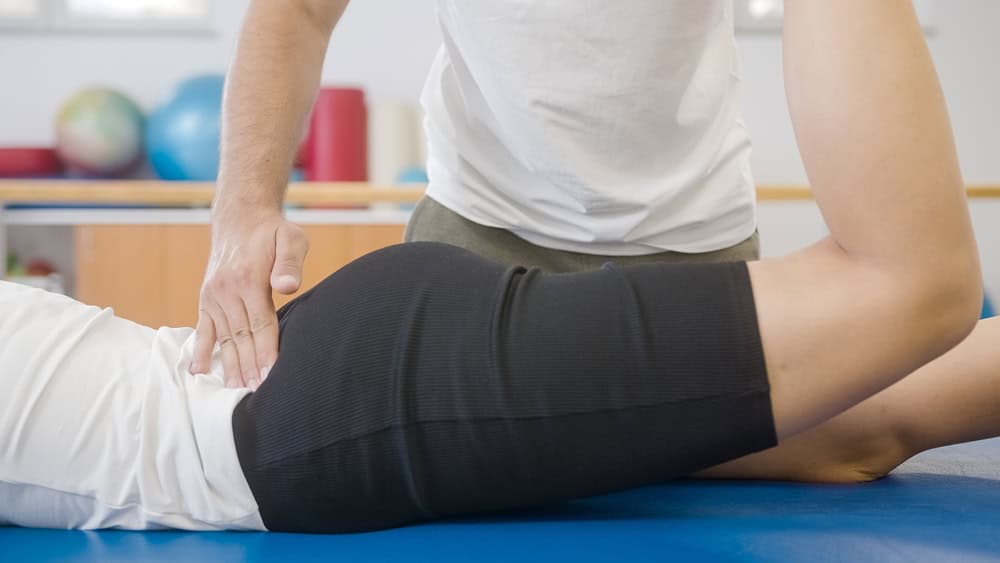
Sciatic pain rarely exists in isolation, and for many people symptoms are influenced as much by daily habits as by what is happening in the spine itself, which is why understanding lifestyle contributors is an essential part of effective Sciatica Treatment, allowing recovery plans to address not only pain relief but the real-world factors that determine whether symptoms settle or keep returning.
Why Lifestyle Factors Matter in Sciatica
The sciatic nerve responds to cumulative stress. Sitting, sleeping, work demands, stress levels, activity patterns, and recovery all influence how sensitive the nerve becomes over time. Even well-designed exercise programs struggle to deliver lasting results if lifestyle factors continuously overload the system.
For many people, pain fluctuates not because the condition is worsening, but because daily demands temporarily exceed tolerance. Addressing these contributors reduces flare-ups and supports more predictable progress.
Sitting and Sedentary Behaviour
Prolonged sitting is one of the most common lifestyle-related drivers of sciatic pain, particularly for office-based professionals and long-distance drivers.
Duration Matters More Than Posture
No sitting posture is protective if held too long. Sustained positions increase disc pressure and nerve sensitivity, even when posture appears correct.
Movement Breaks as a Protective Habit
Regular standing and walking breaks reduce cumulative nerve stress. Short, frequent movement is far more effective than one long break at the end of the day.
Physical Activity Levels
Both too little and too much activity can contribute to sciatic pain.
Low Activity and Deconditioning
Reduced movement leads to stiffness, reduced circulation, and lower tolerance for everyday load. This often makes the nervous system more reactive to simple tasks.
Sudden Spikes in Activity
Weekend-only exercise, abrupt increases in training, or doing heavy tasks after periods of inactivity commonly trigger flare-ups. Gradual progression is key.
Work Demands and Load Management
Workload, deadlines, and physical demands influence pain more than many people realise.
Physical Load
Manual tasks, repetitive movements, prolonged standing, or long sitting hours all contribute to cumulative spinal stress when not paced appropriately.
Mental Load and Stress
High stress increases muscle tension and nervous system sensitivity. Even when physical demands are unchanged, stress can lower pain thresholds and slow recovery.
Sleep Quality and Recovery
Sleep is when tissues recover and the nervous system resets. Poor sleep quality is strongly associated with increased pain sensitivity.
Sleep Position and Duration
Unsupportive sleep positions and insufficient sleep both increase morning stiffness and leg symptoms. Small adjustments in positioning and routine often improve tolerance.
Impact of Fatigue
When fatigued, posture and movement quality deteriorate, increasing strain on the spine and sciatic nerve during the following day.
Body Weight and Load Tolerance
Body weight influences how much load the spine and pelvis must manage. Sudden changes in weight, whether gain or loss of conditioning, can affect symptom behaviour.
The focus is not on weight alone, but on building strength and endurance so the body can tolerate daily demands efficiently.
Footwear and Daily Equipment
Supportive footwear and appropriate equipment influence spinal load more than expected.
Footwear Choices
Unsupportive or worn footwear increases fatigue and alters movement patterns, which can indirectly increase sciatic symptoms, particularly during long days.
Workstation and Tools
Chairs, desks, and frequently used tools that encourage awkward postures contribute to cumulative stress. Small adjustments often make a meaningful difference.
Smoking and Circulation
Smoking has been linked to reduced circulation and slower tissue healing. It can also increase disc degeneration over time, which may influence sciatic symptoms.
Reducing or stopping smoking supports overall spinal health and recovery capacity.
Hydration and General Health
While hydration alone does not cure sciatica, general health habits influence tissue quality, energy levels, and recovery.
Dehydration and poor nutrition can increase fatigue and muscle tension, indirectly affecting pain tolerance.
The Role of Consistency Over Perfection
Lifestyle change does not require dramatic overhauls. Consistent, realistic adjustments are far more effective than short-term perfection followed by relapse.
Examples include standing regularly during workdays, maintaining gentle daily movement, protecting sleep time, and pacing demanding activities.
Common Lifestyle Traps That Delay Recovery
All-or-Nothing Behaviour
Being very active on good days and completely inactive on bad days increases symptom volatility.
Ignoring Recovery Needs
Constantly pushing without rest prevents the nervous system from settling.
Relying Only on Treatment Sessions
Hands-on care or exercise sessions cannot offset unfavourable daily habits if they remain unchanged.
How Lifestyle Changes Support Long-Term Relief
When lifestyle factors align with rehabilitation, improvements become more stable. Flare-ups reduce in frequency, recovery between activities improves, and confidence in movement increases.
This creates resilience rather than dependence on ongoing treatment.
Your Next Step
If sciatic pain keeps returning despite treatment, reviewing lifestyle contributors can uncover hidden drivers that influence symptoms daily. A structured assessment helps identify which factors matter most for you and how to adjust them without disrupting your routine.
Conclusion: Sciatica pain is shaped not only by spinal structures but by how you live, work, move, and recover each day. Addressing lifestyle factors such as sitting habits, activity levels, stress, sleep, and recovery supports more consistent improvement and reduces recurrence risk, making rehabilitation more effective, sustainable, and aligned with real life.
