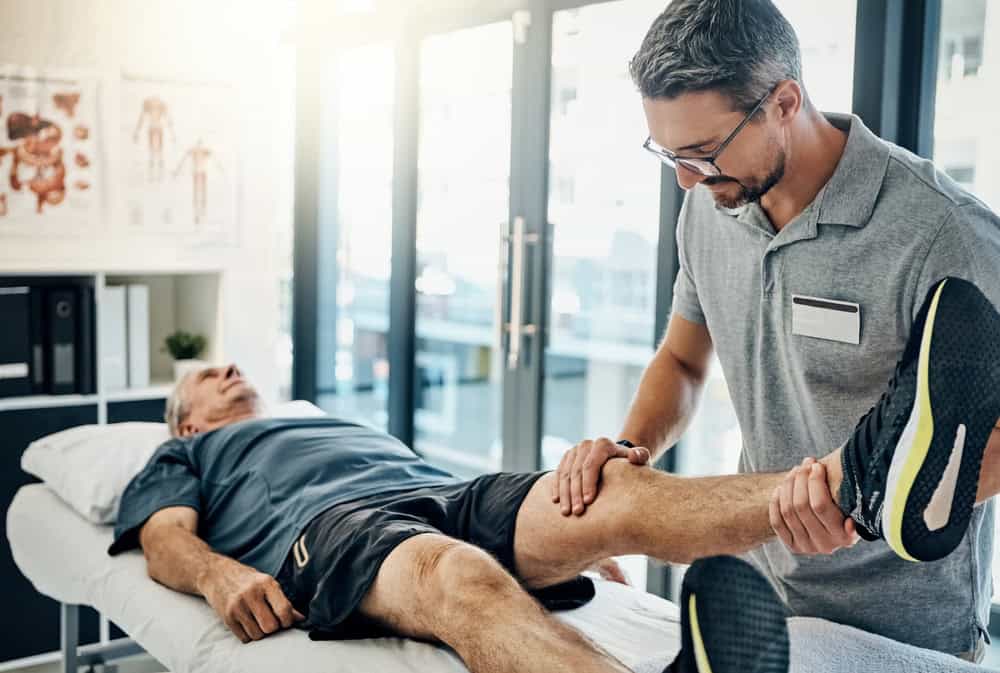
Knee swelling can appear suddenly after injury or gradually with overuse, surgery, or joint irritation, often bringing stiffness, pain, and reduced confidence with movement. Swelling limits muscle activation and makes everyday tasks such as walking, stairs, or bending feel heavier and less controlled. Managing swelling effectively is a priority within Knee Pain Physiotherapy, as it allows movement, strength, and recovery to progress safely and predictably.
What knee swelling indicates
Knee swelling is the body’s protective response to irritation, injury, or overload. Fluid accumulation within or around the joint can result from ligament or meniscus injury, post surgical healing, osteoarthritis flare ups, or repeated stress without adequate recovery. While swelling is a normal response, prolonged or unmanaged swelling can delay rehabilitation by inhibiting muscle function and increasing joint sensitivity.
Why swelling needs early attention
Persistent swelling affects more than comfort. It reduces quadriceps activation, alters movement patterns, and increases the risk of compensation elsewhere in the body. Addressing swelling early helps restore normal movement, improves exercise tolerance, and shortens recovery timelines.
Principles of managing knee swelling
Effective swelling management is guided, measured, and individualised. The goal is not to eliminate swelling overnight but to reduce it steadily while maintaining safe movement.
Protect without immobilising
Complete rest often increases stiffness and weakness. The knee needs controlled movement to encourage fluid circulation while avoiding unnecessary overload.
Monitor response, not just appearance
Swelling is assessed through joint feel, movement quality, and muscle activation, not only visible size. These factors guide progression more reliably than appearance alone.
Common modalities used for knee swelling
Modalities are supportive tools used alongside movement and exercise. They help reduce symptoms and allow rehabilitation to progress more comfortably.
Cold therapy
Cold application is commonly used to reduce pain and slow fluid accumulation, particularly in the early stages after injury or surgery. Short, controlled exposure helps manage discomfort and supports early movement. Cold therapy is timed around activity rather than used continuously.
Compression therapy
Compression supports fluid return and reduces joint effusion. This may include elastic bandages, compression sleeves, or intermittent pneumatic compression depending on the stage and severity of swelling. Compression is applied with care to avoid restricting circulation or movement.
Elevation strategies
Elevating the leg above heart level encourages fluid drainage, particularly after activity. Elevation is most effective when combined with gentle movement rather than prolonged inactivity.
Manual lymphatic techniques
Hands on techniques may be used to encourage fluid movement away from the knee. These techniques are gentle and focused on improving circulation rather than deep tissue pressure.
Electrotherapy support
Certain electrotherapy modalities may be used to assist pain reduction and muscle activation when swelling inhibits movement. These are used selectively and always alongside active rehabilitation.
Movement as a key modality
Guided movement is one of the most effective ways to manage knee swelling.
Early range of motion exercises
Controlled bending and straightening help circulate fluid and prevent stiffness. These movements are kept within comfortable limits and progressed gradually.
Muscle activation exercises
Swelling can inhibit quadriceps activation. Targeted activation exercises help restore muscle control, which in turn improves fluid movement and joint stability.
Walking and weight bearing tolerance
Appropriate weight bearing encourages normal joint mechanics and fluid exchange. Activity levels are adjusted to avoid flare ups while maintaining function.
Modalities in post surgical swelling
After knee surgery, swelling management is a central focus of early rehabilitation.
Structured swelling control
Post surgical protocols often combine compression, cold therapy, elevation, and early movement to control swelling while protecting healing tissue.
Preventing secondary stiffness
Managing swelling effectively reduces the risk of long term stiffness and delayed strength recovery. Early gains in motion set the foundation for later progress.
Managing swelling in osteoarthritis
In knee osteoarthritis, swelling may fluctuate with activity and load.
Load modification strategies
Adjusting activity volume and intensity helps reduce flare ups. Modalities are used to support recovery rather than replace movement.
Maintaining regular activity
Consistent, moderate movement helps manage swelling better than cycles of overactivity followed by rest.
What to avoid when managing knee swelling
Certain approaches can slow progress or worsen symptoms.
Over reliance on passive modalities
Modalities alone do not resolve the cause of swelling. Without movement and strength work, swelling is likely to return.
Ignoring activity related triggers
Repeatedly pushing through activities that provoke swelling delays recovery. Identifying and adjusting these triggers is essential.
Prolonged immobilisation
Keeping the knee still for long periods increases stiffness and muscle inhibition, making swelling harder to resolve.
How progress is measured
Swelling reduction is assessed through improved range of motion, better muscle activation, reduced heaviness during movement, and quicker recovery after activity. These functional markers guide progression more reliably than size alone.
Expected timelines and reassurance
Swelling reduction is gradual and depends on the cause, severity, and consistency of management. Early improvements may be noticed within days, while full resolution can take weeks. Fluctuations are normal, and steady downward trends indicate progress.
Long term swelling management strategies
Education plays a key role in preventing recurrent swelling. Understanding how to pace activity, recognise early signs of overload, and respond promptly helps maintain knee health over time.
Your next step
If knee swelling is limiting your movement, strength, or confidence, a structured assessment can identify the cause and guide effective management. With the right combination of modalities, movement, and progression, swelling can be reduced and recovery can move forward with clarity. Book an assessment to begin a measured, supportive approach to managing knee swelling and restoring comfortable movement.
