
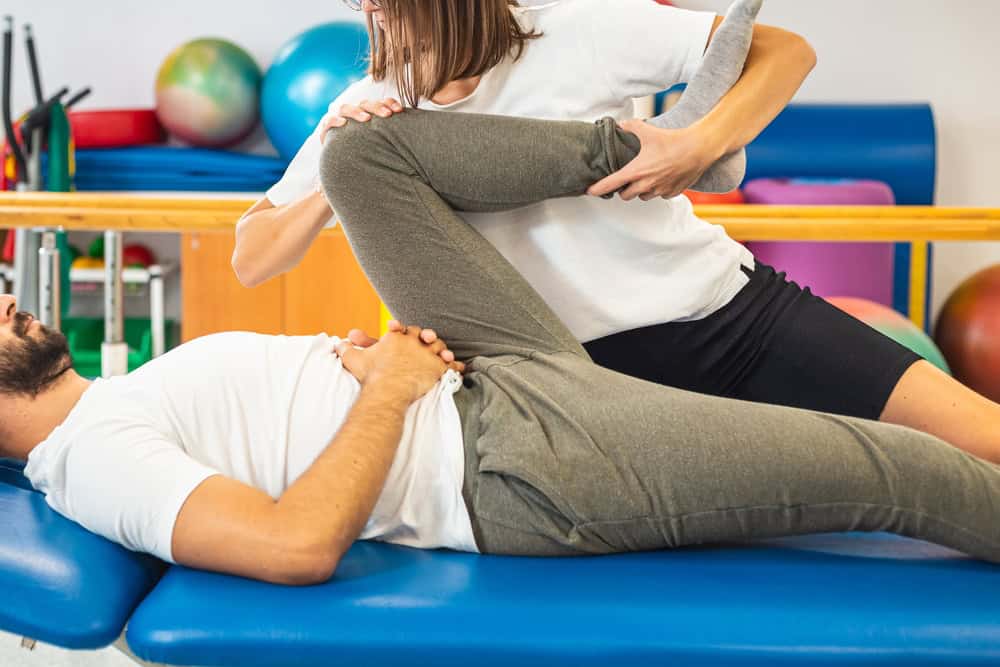
If hip pain keeps returning despite rest, massage, or stretching, the underlying issue may not be the joint alone but how your pelvis controls movement. Within a structured Hip Pain Physiotherapy plan, improving pelvic stability is often central to reducing overload, restoring balance, and achieving lasting relief. When the pelvis is stable, the hip can move efficiently and with less irritation.
Why Pelvic Stability Matters
Your pelvis acts as the foundation for hip movement. Every step, squat, and change in direction requires coordinated control between the pelvis, hips, and core. If this system lacks stability, the hip joint and surrounding tendons absorb excessive stress.
Poor pelvic control can increase compression on the outer hip, strain the groin, or overload the lower back. Strengthening this foundation improves alignment, reduces compensatory patterns, and supports smoother movement.
Common Signs of Pelvic Instability
You may notice hip pain when standing on one leg, climbing stairs, or running. Some patients experience lower back discomfort alongside hip symptoms. Others feel weakness or wobbling during lunges or step downs.
In postnatal patients, pelvic instability may present as deep aching around the hips or sacroiliac region. In athletes, it can reduce power output and increase injury risk.
Assessment of Pelvic Control
At Adam Vital Physiotherapy & Rehabilitation Center, assessment includes observing single leg stance, gait mechanics, and controlled functional tasks. We evaluate gluteal strength, deep abdominal activation, and coordination between trunk and hip.
This detailed evaluation allows us to identify whether weakness, delayed activation, or endurance deficits are contributing to your pain.
Muscles That Support Pelvic Stability
Gluteus Medius and Minimus
These muscles prevent the pelvis from dropping during walking and running. Weakness here is commonly linked to outer hip pain and knee strain.
Gluteus Maximus
This powerful muscle assists in hip extension and supports overall pelvic alignment during functional movements.
Deep Core Muscles
The transverse abdominis and other deep stabilisers provide internal support to the pelvis and lower spine. Coordinated activation enhances load transfer through the hips.
Rehabilitation Strategies
Activation and Awareness
Early exercises focus on retraining correct muscle activation. This may include supported bridging, side lying control drills, and guided core engagement.
Progressive Strengthening
As control improves, resistance and complexity are increased. Exercises such as lateral band walks, step downs, and controlled lunges challenge pelvic stability under load.
Functional Integration
Strength must translate into daily life. We integrate stability into walking, stair climbing, and sport specific drills to ensure meaningful transfer.
Endurance Development
For active individuals in Dubai, endurance is critical. Pelvic muscles must maintain control over prolonged activity, not just during isolated repetitions.
How Pelvic Stability Reduces Hip Pain
Improved stability reduces excessive lateral compression, protects irritated tendons, and optimises joint alignment. Patients often report less pain during walking and greater confidence during exercise once pelvic control is restored.
Addressing pelvic stability also prevents secondary issues in the knees and lower back, supporting overall movement efficiency.
Recovery Expectations
Many patients begin to feel improved balance and reduced discomfort within several weeks of consistent training. Strength and endurance gains continue progressively with structured guidance.
We track measurable outcomes such as single leg balance time, strength progression, and pain reduction during functional tasks.
Preventing Recurrence
Maintaining pelvic stability requires ongoing strength work and awareness of movement quality. Sudden increases in activity without adequate conditioning can reintroduce overload.
We provide practical strategies that align with your lifestyle, whether you are returning to sport, managing a busy work schedule, or rebuilding strength after pregnancy.
Take the Next Step
If hip pain continues to return or feels unstable during activity, pelvic stability may be the missing link. A comprehensive assessment at Adam Vital Physiotherapy & Rehabilitation Center will identify gaps in control and guide you through a personalised strengthening plan. Book your assessment today and begin rebuilding a stable foundation for confident, pain free movement.
