
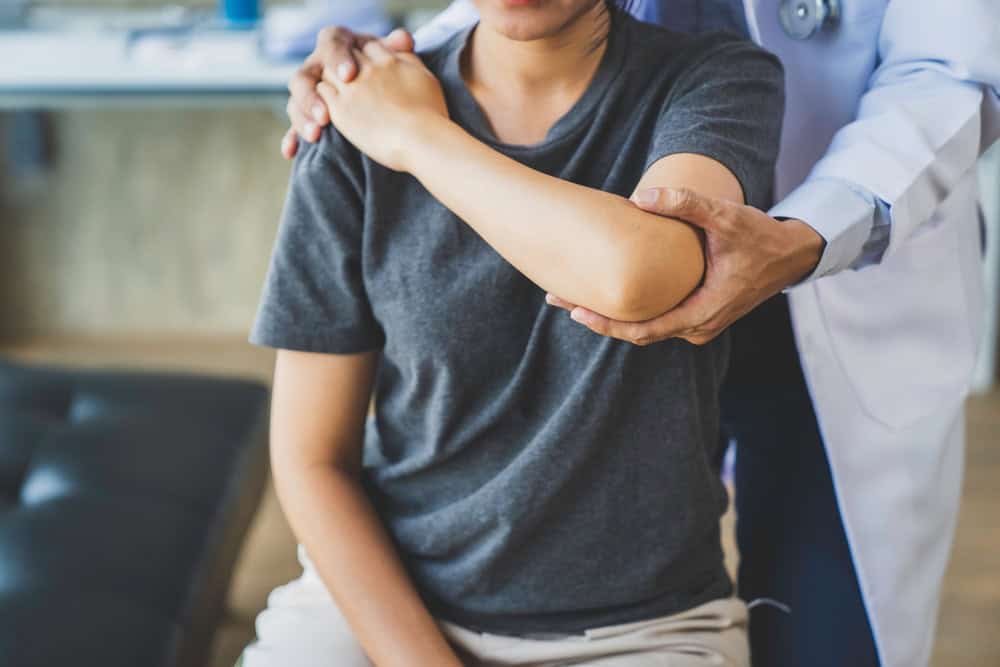
Returning to sport after an elbow injury can feel uncertain, especially when pain has disrupted training, confidence, or performance. Many athletes explore Elbow Pain Physiotherapy when deciding how and when to resume activity safely. A successful return to sport is not about rushing back or waiting for pain to disappear completely. It is about restoring capacity, rebuilding trust in the elbow, and progressing in a structured way. At Adam Vital Physiotherapy & Rehabilitation Center, return-to-sport planning is clear, evidence-based, and tailored to your sport and goals.
Why Returning Too Soon Can Be Risky
Elbow injuries often feel better before the tissues are fully ready to handle sporting loads. Pain reduction does not always equal readiness. Tendons, ligaments, joints, and nerves need time and appropriate loading to regain resilience.
Returning too quickly can overload healing tissues, leading to flare-ups, compensatory movement patterns, or repeated injury. Equally, delaying return for too long can result in deconditioning, stiffness, and loss of confidence.
What Determines Readiness to Return
Return to sport is based on function rather than a fixed timeline. Several key factors are assessed together to determine readiness.
Pain Response
The elbow should tolerate daily activities and training-related movements without sharp pain or lingering symptom flare-ups. Mild discomfort during higher loads may be acceptable, but pain should settle quickly and not worsen over time.
Range of Motion
Near-normal elbow, wrist, and forearm movement is important for efficient force transfer. Restrictions can increase strain during sport-specific actions such as throwing, gripping, or weight-bearing.
Strength and Load Tolerance
The elbow and forearm must tolerate repeated load without excessive fatigue or pain. Strength is assessed not only in isolation, but in how it holds up over time and under sport-specific demands.
Movement Quality
Efficient technique reduces unnecessary stress on the elbow. Poor control at the shoulder, wrist, or upper back can shift load to the elbow even when strength appears adequate.
The Staged Return-to-Sport Process
Returning to sport is most successful when broken into manageable stages that progressively increase demand.
Stage One: Controlled Training
This stage focuses on low-risk, controlled movements that mimic aspects of your sport without full intensity. The aim is to expose the elbow to load in a predictable environment while monitoring symptoms.
Stage Two: Progressive Load and Complexity
Training intensity, speed, or resistance is gradually increased. Movements become more sport-specific, and endurance demands rise. This stage builds confidence and resilience without overwhelming the elbow.
Stage Three: Return to Full Training
Once the elbow tolerates higher loads consistently, full training sessions are reintroduced. Volume and frequency are increased gradually, ensuring recovery between sessions.
Stage Four: Return to Competition
Competition places unique physical and psychological demands on the body. Readiness is assessed carefully to reduce the risk of recurrence under pressure.
Managing Fear and Confidence
After injury, fear of re-injury is common and can influence movement quality. Hesitation or guarding can increase strain rather than protect the elbow.
Gradual exposure to sport-specific tasks helps rebuild trust. Clear explanations of what sensations are normal and what signals caution reduce uncertainty and improve confidence.
Common Mistakes During Return to Sport
One common mistake is returning at full intensity immediately after a period of rest. Another is ignoring early warning signs such as lingering soreness or reduced control.
Relying solely on braces or taping without restoring strength and load tolerance can also delay true readiness. External support should assist, not replace, rehabilitation.
Sport-Specific Considerations
Different sports place different demands on the elbow. Throwing sports require high-velocity control, racquet sports involve repetitive gripping and rotation, and strength-based sports place sustained load through the joint.
Return plans are adapted to reflect these demands, ensuring progression prepares the elbow for real-world sporting stresses.
Preventing Re-Injury After Return
Once back in sport, ongoing management is essential. This includes maintaining forearm and shoulder strength, monitoring training load, and allowing adequate recovery.
Small adjustments in technique or workload can significantly reduce long-term risk without compromising performance.
Supporting Athletes in Dubai
Dubai’s sporting community includes recreational athletes, competitive players, and fitness-focused individuals balancing training with busy schedules. Recovery plans must be realistic and flexible.
At Adam Vital Physiotherapy & Rehabilitation Center, we work closely with you to align rehabilitation with your sport, lifestyle, and performance goals. Progress is tracked clearly so decisions are informed, not rushed.
Conclusion and Next Step
Returning to sport after an elbow injury is a process that requires patience, structure, and clear guidance. When readiness is assessed properly and progression is controlled, most athletes return stronger and more confident.
If you are preparing to return to sport or struggling with setbacks after an elbow injury, the next step is a professional assessment. Book an appointment with Adam Vital Physiotherapy & Rehabilitation Center to receive a clear, evidence-based return-to-sport plan focused on safety, performance, and long-term success.
