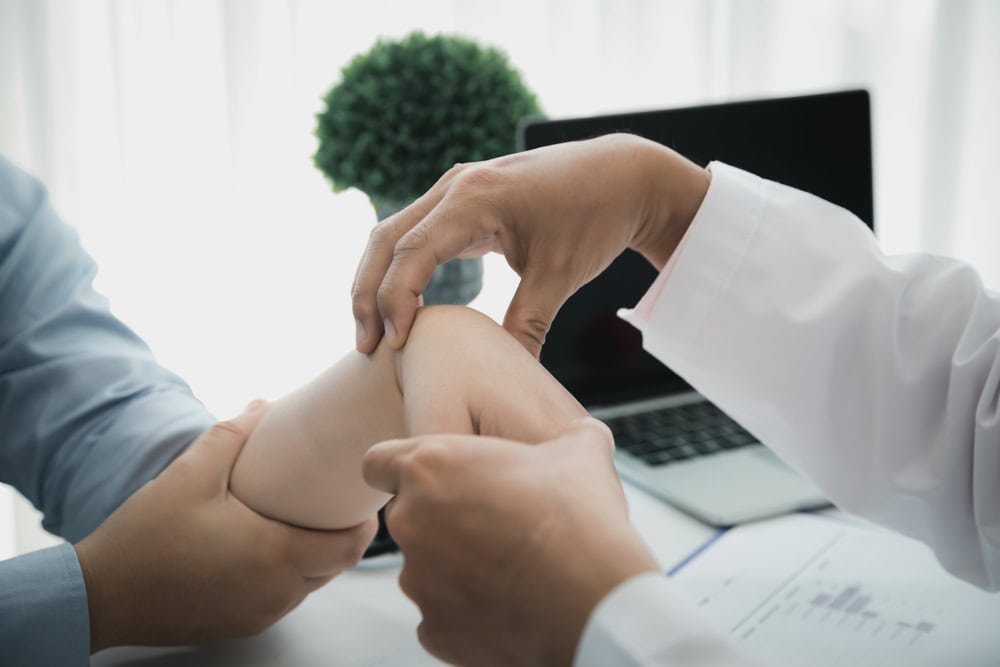
A fracture in the hand can disrupt even the simplest daily tasks, from holding a cup to typing or lifting objects. While the bone itself needs time to heal, recovery of movement, strength, and coordination depends on guided rehabilitation. At Adam Vital Physiotherapy & Rehabilitation Center, our approach to Wrist & Hand Physiotherapy after a fracture is structured, evidence-based, and carefully paced to protect healing bone while restoring confident, functional hand use.
Why hand therapy is essential after a fracture
Hand fractures often involve the fingers, metacarpals, or wrist-adjacent bones, all of which play a critical role in grip, precision, and load transfer. Even when X-rays confirm good bone healing, stiffness, weakness, swelling, and altered movement patterns can persist without rehabilitation.
Hand therapy addresses these challenges by restoring joint mobility, tendon glide, muscle strength, and coordination. The aim is not just bone healing, but full functional recovery so you can return to work, family life, and activity with confidence.
Common hand fractures requiring therapy
Rehabilitation strategies are adapted based on fracture location, stability, and whether surgery was required.
Typical fracture patterns
We commonly rehabilitate fractures of the fingers, metacarpals, and fractures involving the wrist end of the radius or ulna that affect hand function. Some fractures are managed with casting or splinting, while others require surgical fixation. Each scenario demands a tailored approach to movement and loading.
Phases of hand therapy after a fracture
Recovery progresses through clear phases, guided by healing timelines and your individual response.
Early phase: protection and swelling control
In the early stage, the priority is protecting the fracture while maintaining as much safe movement as possible. Swelling and pain are common and can significantly limit motion if not addressed.
We provide guidance on elevation, gentle movement of non-immobilised joints, and safe use of the hand within restrictions. If a splint or cast is used, we ensure adjacent joints remain mobile to prevent unnecessary stiffness.
Restoring movement once healing allows
When the fracture is stable and cleared for movement, restoring range of motion becomes a priority. Stiffness in the fingers and hand can develop quickly, especially after weeks of immobilisation.
We introduce controlled exercises to improve finger bending and straightening, thumb movement, and wrist motion as appropriate. Tendon gliding and joint mobility exercises are selected to improve movement quality without stressing the healing bone.
Rebuilding strength and coordination
Strength loss is expected after a fracture due to reduced use and immobilisation. Once movement improves, we progressively rebuild strength in the hand, wrist, and forearm.
Exercises are introduced gradually, starting with light activation and progressing to resistance and functional tasks. Grip strength, pinch control, and endurance are all addressed, depending on your goals and daily demands.
Managing stiffness and soft tissue tightness
Stiffness is one of the most common challenges after hand fractures. Joints, tendons, and soft tissues can become tight and reactive, limiting movement even after the bone has healed.
Manual therapy and guided movement
Where appropriate, hands-on techniques are used to improve joint mobility and reduce soft tissue restriction. This is always combined with active exercises so gains are maintained outside treatment sessions.
We explain what sensations are expected and what signals to avoid, helping you move confidently without fear of damaging the healing fracture.
Addressing functional use of the hand
Recovery is not complete until the hand works comfortably in real life. Therapy therefore focuses on practical function, not just isolated exercises.
Daily tasks and work demands
We assess how you use your hand at work and at home, whether that involves typing, lifting, gripping tools, or caring for others. Exercises and strategies are tailored to these demands, helping you return to independence safely.
For professionals in Dubai with busy schedules, this practical focus ensures therapy fits into your routine rather than disrupting it.
Sport and higher-level activity
For active individuals, hand therapy includes preparation for sport-specific demands such as gripping equipment, weight-bearing, or impact. Progression is based on strength, control, and symptom response, not guesswork.
Splinting and support when needed
In some cases, temporary splinting is used to protect healing structures or guide movement. Splints are selected and adjusted carefully to avoid unnecessary restriction.
As recovery progresses, reliance on splints is reduced and active control is prioritised.
Expected recovery timelines
Recovery timelines vary depending on fracture type, severity, and individual healing rates. Early improvements often include reduced swelling and increased movement, while strength and endurance take longer to rebuild.
We are transparent about expectations and track progress through range of motion, strength, and functional ability. Adjustments are made based on how your hand responds, ensuring recovery remains safe and progressive.
Preventing long-term limitations
Without proper rehabilitation, hand fractures can lead to persistent stiffness, weakness, or reduced coordination. Ongoing therapy and home exercises help ensure full recovery rather than partial improvement.
Education is part of care. We help you understand how to manage load, recognise early signs of overload, and maintain hand health long after therapy ends.
Take the next step
If you have sustained a hand fracture and want a clear plan to restore movement, strength, and confidence, a structured hand therapy program can make a meaningful difference. We will assess your current stage of healing, explain what to expect, and guide you step by step toward full functional recovery.
Conclusion: Hand therapy plays a critical role in recovery after a fracture, bridging the gap between bone healing and full function. With guided movement, progressive strengthening, and practical support, stiffness and weakness can be addressed effectively. A clear, evidence-based rehabilitation plan supports safe healing and a confident return to daily life, work, and activity.
