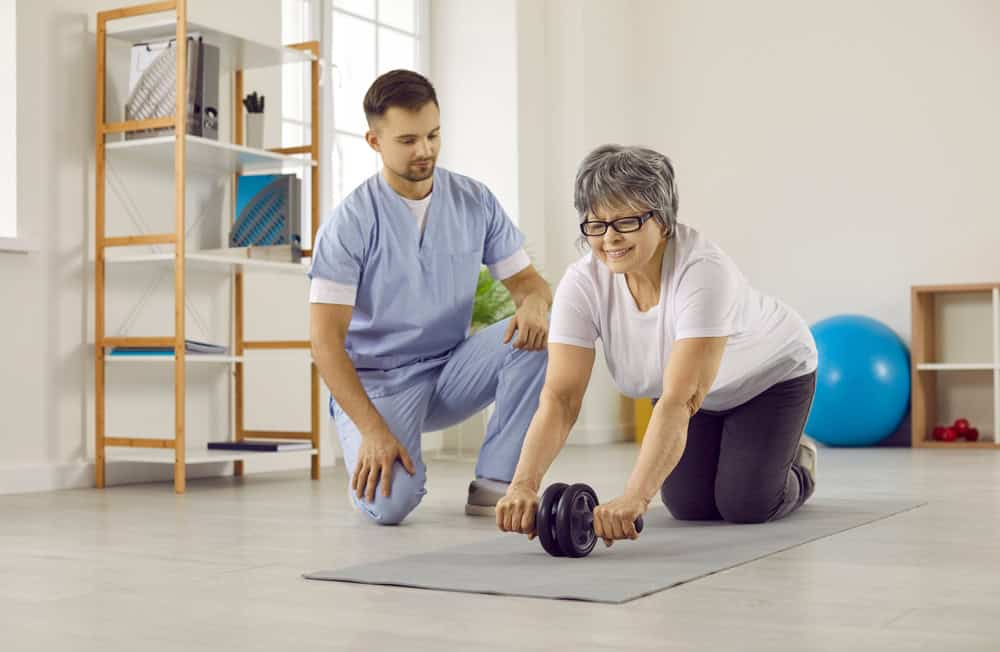
Surgery is often the first step toward recovery, but how you rehabilitate afterwards determines how well you regain strength, movement, and confidence. Post-Operative Rehabilitation is a structured process designed to protect healing tissues, restore function, and help you return safely to daily life, work, or sport. Understanding the phases of post-surgical rehab helps you know what to expect, why each stage matters, and how progress is built step by step rather than rushed.
Why post-surgical rehabilitation follows clear phases
After surgery, your body goes through predictable healing stages. Muscles, joints, tendons, ligaments, and surgical incisions all need time to repair. Rehabilitation is phased to match this healing process so that treatment supports recovery rather than stressing vulnerable tissues too early. Each phase has specific goals, milestones, and safety considerations. Moving too fast can delay healing, while doing too little can lead to stiffness, weakness, or long-term limitation. A phased approach ensures balance between protection and progress.
Phase one: protection and early recovery
The first phase begins immediately after surgery and typically lasts from a few days to several weeks, depending on the procedure. At this stage, your body is focused on healing the surgical site. Swelling, pain, reduced movement, and weakness are expected. The priority is to protect the repair while preventing unnecessary complications.
Key goals of the early phase
The main goals are pain control, swelling reduction, protection of the surgical area, and gentle activation of surrounding muscles. You may feel frustrated by limited movement, but this period is critical. Proper management early on sets the foundation for everything that follows.
What rehabilitation looks like in this phase
Treatment is careful and controlled. This may include guided movement within safe limits, breathing and circulation exercises, gentle muscle activation, and education on posture, walking aids, or braces if required. You are shown how to move safely in daily activities such as getting out of bed, sitting, or walking. Clear guidance helps reduce fear and builds confidence during an often vulnerable time.
Phase two: restoring movement and basic strength
Once tissues have begun to heal and pain and swelling are better controlled, rehabilitation progresses into restoring movement. This phase often starts a few weeks after surgery but always depends on surgical guidelines and your individual response to recovery.
Key goals of the movement phase
The focus is on improving range of motion, rebuilding basic strength, and normalising everyday movement patterns. Stiffness is common after surgery, and without guided rehabilitation it can persist longer than necessary. This phase aims to help you move more freely without compromising healing.
What rehabilitation looks like in this phase
Exercises become more active and targeted. You may work on joint mobility, muscle control, and light strengthening. Movements are chosen carefully to match your surgery, whether it involved the knee, shoulder, spine, or another area. You are encouraged to participate actively while still respecting limits. Progress is measured by improvements in movement quality, comfort, and confidence in daily tasks.
Phase three: strength, stability, and functional control
As healing progresses, rehabilitation shifts toward rebuilding strength and stability. This phase is where many patients start to feel more capable but still need structured guidance to avoid setbacks.
Key goals of the strengthening phase
The aim is to restore muscle strength, joint stability, and coordination so your body can handle everyday demands. This includes tasks such as walking longer distances, climbing stairs, lifting objects, or sitting and standing with ease. For many people, this phase marks a noticeable improvement in independence.
What rehabilitation looks like in this phase
Exercises become progressively more challenging. You may work on controlled loading, balance, and functional movements that reflect your lifestyle. If you are a busy professional, this may focus on prolonged sitting tolerance and postural strength. If you are active or athletic, movements may become more dynamic while still prioritising control and safety. Progress is tracked to ensure improvements are steady and meaningful.
Phase four: return to work, sport, or higher performance
The final phase focuses on preparing you to return to the activities that matter most to you. This stage is not only about being pain-free but about being capable, confident, and resilient.
Key goals of the return phase
The goal is to restore full function and reduce the risk of re-injury. This means ensuring your body can tolerate real-world demands, whether that is long working hours, lifting children, running, or sport-specific movements. Strength, endurance, and movement quality all matter at this stage.
What rehabilitation looks like in this phase
Rehabilitation becomes highly individualised. Exercises may simulate work tasks, recreational activities, or sport-specific actions. Emphasis is placed on control, efficiency, and confidence rather than simply pushing harder. You are guided on how to progress safely and how to recognise signs that your body needs adjustment rather than rest alone.
Why timelines vary between individuals
Recovery timelines differ based on the type of surgery, tissue involved, age, general health, and how consistently rehabilitation is followed. Some patients notice steady improvement within a few sessions, while others require a longer, more gradual progression. Clear communication about expectations helps reduce anxiety and keeps goals realistic. Progress is measured by function, not by rushing through phases.
Your role in successful rehabilitation
Rehabilitation is a partnership. Your commitment to guided exercises, movement habits, and follow-up sessions plays a major role in outcomes. Asking questions, sharing concerns, and staying consistent helps ensure treatment stays aligned with your goals. Feeling supported and informed makes the process more manageable and effective.
What to do if recovery feels slow or uncertain
It is normal to experience ups and downs during recovery. Some days feel easier than others. If pain increases, movement stalls, or confidence drops, this does not mean failure. It means your plan may need adjustment. Timely reassessment helps address issues early and keeps recovery on track.
Conclusion
Post-surgical rehabilitation is not a single treatment but a structured journey through clear phases, each with a specific purpose. From protecting healing tissues to restoring movement, strength, and confidence, every stage builds toward long-term recovery and performance. With the right guidance, realistic expectations, and consistent effort, you can move forward safely and regain control of your body. The next step is to book an assessment so your recovery plan can be tailored to your surgery, your lifestyle, and your goals.
