
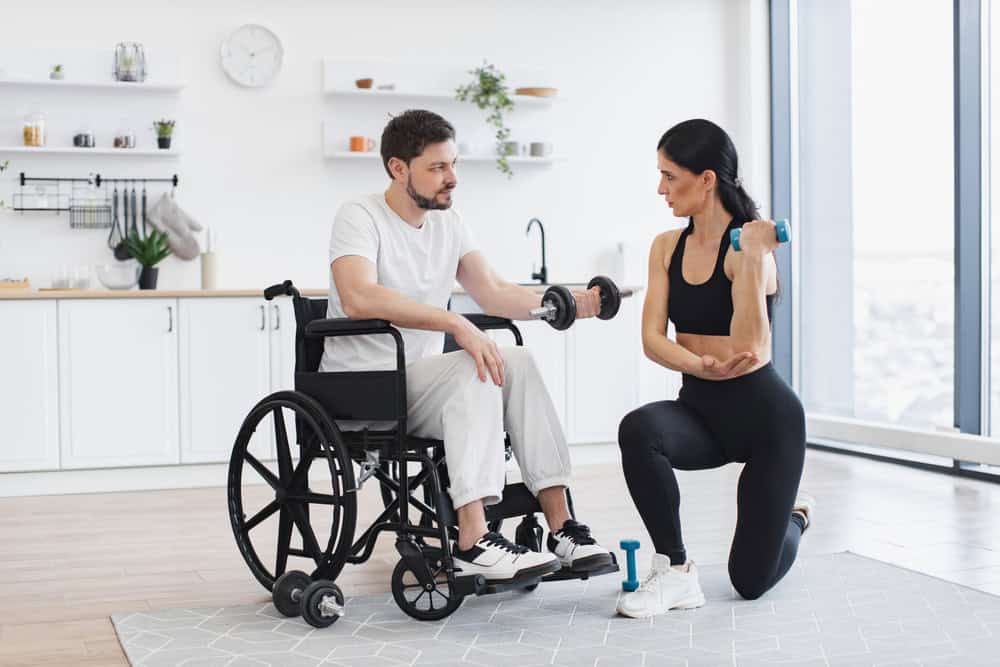
Returning to work or sport after surgery is a major milestone, but it should be approached with clarity rather than urgency. A safe return is a key outcome of Post-Operative Rehabilitation, ensuring your body is not only healed but prepared to tolerate real demands with confidence. The goal is not simply to resume activity, but to do so in a way that protects long-term function and reduces the risk of re-injury.
Why timing alone is not enough
Many people assume return to work or sport is based on time since surgery. While healing timelines matter, they are only one part of the picture. Strength, movement quality, endurance, and confidence must also be restored. Returning too early can overload healing tissues, while delaying unnecessarily can lead to deconditioning and loss of confidence. A safe return is based on readiness, not dates.
Understanding the demands of your role or sport
Work and sport place different stresses on the body. A desk-based role may require prolonged sitting and postural endurance, while manual work involves lifting, carrying, and repetitive movement. Sport adds speed, impact, and unpredictable forces. Rehabilitation considers these specific demands so preparation is relevant rather than generic.
Physical demands
These include strength requirements, movement range, balance, and load tolerance. Rehabilitation ensures your body can meet these demands without compensation or strain.
Cognitive and fatigue demands
Decision-making, reaction time, and fatigue management are often overlooked. Returning safely means being able to sustain focus and physical effort without symptoms escalating over the day or week.
Key milestones before returning to work or sport
Clear milestones help guide decisions and reduce uncertainty. These milestones are individualised but typically include several core elements.
Movement quality and control
You should be able to perform required movements smoothly and confidently. Limping, guarding, or altered technique increases strain and raises injury risk. Quality matters as much as capability.
Strength and load tolerance
Strength must be sufficient to handle repeated tasks, not just single efforts. Rehabilitation tests how well tissues tolerate load over time, ensuring strength gains are functional and sustainable.
Swelling and symptom response
A safe return requires that swelling and pain settle predictably after activity. Persistent or escalating symptoms suggest the body is not yet ready for full demands.
Gradual return strategies
A phased return is often safer than an abrupt one. This applies to both work and sport.
Graduated return to work
For work, this may involve reduced hours, modified duties, or adjusted positions initially. Gradual exposure allows your body to adapt while maintaining productivity and confidence.
Progressive return to sport
Sport return is staged, starting with controlled drills and building toward full training and competition. Each stage tests readiness before progression, reducing the risk of setback.
The role of functional and sport-specific training
Rehabilitation prepares you for the exact tasks you will face. Functional and sport-specific training ensures strength and mobility gains transfer into real performance. This preparation reduces fear and improves confidence during the transition back.
Managing fear of re-injury
Fear is common, even when tissues have healed. Hesitation can limit performance and increase injury risk. Gradual exposure, clear explanation, and repeated success help rebuild trust in your body. Confidence grows through experience, not reassurance alone.
Communication and planning
Clear communication supports a safe return. Understanding expectations, workload, and timelines helps align rehabilitation with real demands. Planning reduces surprises and allows proactive adjustment rather than reactive management.
Warning signs during return
Increased pain that does not settle, swelling that accumulates over days, or declining movement quality are signals to pause and reassess. Early response prevents minor issues from becoming longer-term setbacks.
Individual factors that influence readiness
Age, general health, type of surgery, and consistency with rehabilitation all influence readiness. Two people with the same procedure may return at different times. Decisions are based on individual response rather than comparison to others.
Your role in a safe return
Your awareness and honesty matter. Noticing how your body responds and communicating concerns helps guide progression. Pushing through symptoms or hiding difficulty can increase risk. A safe return is a collaborative process built on feedback and adjustment.
Long-term benefits of a measured return
Taking the time to return safely reduces the likelihood of repeated injury, chronic pain, or loss of confidence. It supports sustainable performance rather than short-term participation followed by setback.
Conclusion
A safe return to work or sport after surgery is about readiness, preparation, and confidence, not rushing milestones. By restoring movement quality, strength, and load tolerance, and by progressing gradually, return becomes controlled and sustainable. With clear guidance and individualised planning, you can resume work or sport knowing your body is prepared for the demands ahead. The next step is to book an assessment so your return plan can be tailored precisely to your role, your sport, and your long-term goals.
