
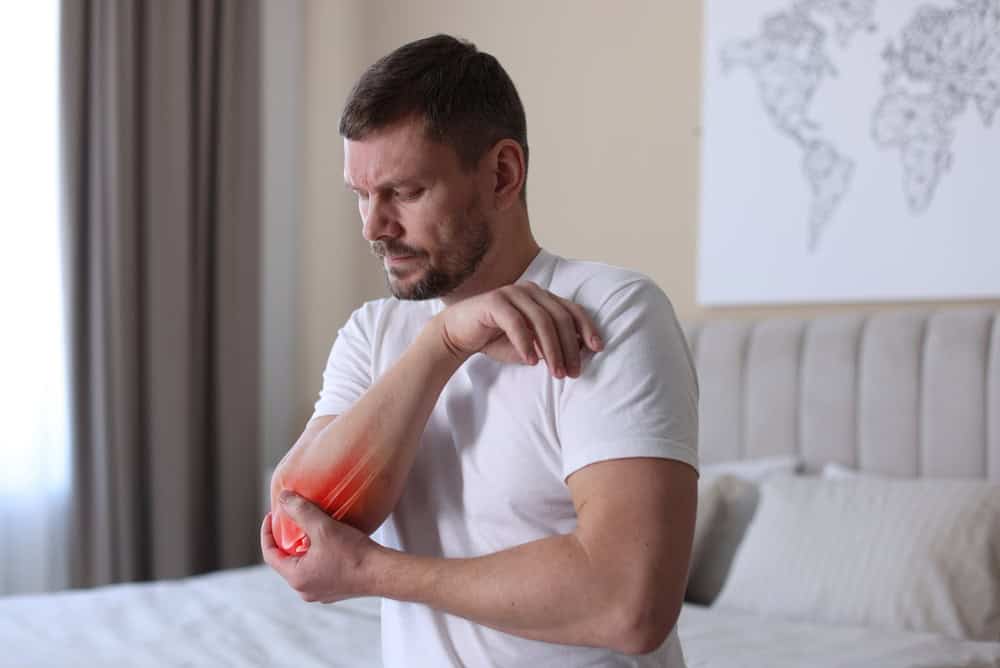
When joint pain becomes part of daily life, small habits can either reduce strain or quietly aggravate symptoms, which is why joint protection is a core part of Arthritis / Osteoarthritis Physiotherapy, helping you move through work, exercise, and home life with less stress on your joints and more confidence in your body.
What joint protection really means
Joint protection is not about avoiding movement. It is about using your joints in ways that reduce unnecessary load, prevent irritation, and preserve function over time. These techniques focus on how you move, how often you load a joint, and how well the surrounding muscles support that load.
When joints are protected properly, pain often decreases, flare-ups become less frequent, and daily tasks require less effort.
Why joint protection matters in arthritis
In arthritis, joint structures tolerate load less efficiently. Repeated strain from poor posture, awkward lifting, or prolonged positions can increase pain even when the activity itself seems minor.
Joint protection reduces cumulative stress. This allows the joint to recover between activities and respond better to strengthening and rehabilitation exercises.
Using larger joints to reduce strain
One of the most effective protection strategies is distributing load across larger, stronger joints.
Carrying and lifting tasks
Holding objects close to your body reduces joint torque. Using both hands rather than one spreads the load more evenly. When possible, engage the hips and legs rather than relying on smaller joints such as wrists or fingers.
Daily household activities
Pushing doors open with the shoulder rather than the hand, or using the forearms to support weight, reduces stress on painful hand or wrist joints.
Joint alignment and posture
How a joint is positioned during movement strongly affects how load is absorbed.
Neutral joint positioning
Keeping joints in mid-range positions reduces compression and shear forces. For example, avoiding deep knee bending for prolonged periods can reduce knee irritation.
Postural awareness
Sitting and standing posture influence joint load throughout the body. A slouched posture can increase spinal strain, while poor hip alignment can overload knees and ankles.
Simple posture adjustments often reduce pain without changing activity levels.
Reducing repetitive stress
Repetition is a common driver of joint irritation, particularly in hands, shoulders, and knees.
Task variation
Alternating tasks prevents continuous stress on the same joint. Short breaks allow tissues to recover before symptoms build.
Planning and pacing
Spreading demanding activities across the day or week reduces flare-ups. This is especially important for work tasks or household chores.
Energy conservation strategies
Fatigue increases joint stress by reducing muscle support and movement control. Conserving energy protects joints indirectly.
Prioritising essential tasks
Focus energy on activities that matter most. Less important tasks can be modified, delayed, or delegated.
Using assistive tools when appropriate
Simple aids such as jar openers, supportive footwear, or ergonomic tools reduce joint strain without limiting independence.
Protecting joints during exercise
Exercise is essential for arthritis management, but how it is performed matters.
Controlled movement over force
Slow, controlled exercise improves muscle activation and reduces joint irritation compared to fast or uncontrolled movement.
Load within tolerance
Exercises should challenge muscles without provoking sharp pain or prolonged swelling. Mild discomfort that settles within a short time is often acceptable.
Proper technique
Good technique ensures load is shared by muscles rather than concentrated in the joint. This reduces flare-ups and improves progress.
Hand and finger joint protection
Hand arthritis often interferes with work and daily tasks, but technique adjustments can help.
Avoiding sustained grip
Frequent release of grip reduces joint compression. Using tools with larger handles distributes pressure more evenly.
Using the palm instead of fingers
Whenever possible, use the palm or forearm to apply force rather than pinching with fingers.
Protecting knees and hips
Lower limb joints absorb high loads during daily activity.
Stair and chair strategies
Using hand support when standing or climbing stairs reduces joint load. Rising from chairs using the hips rather than pushing through the knees can reduce discomfort.
Footwear choices
Supportive footwear improves alignment and shock absorption. Poor footwear can increase joint stress with every step.
Listening to early warning signs
Joint protection includes recognising when a joint needs adjustment rather than pushing through.
Acceptable versus warning symptoms
Mild stiffness or short-lived discomfort may be normal. Sharp pain, swelling, or symptoms lasting into the next day suggest the need to modify activity.
Responding early
Early adjustments prevent flare-ups from escalating and disrupting routine.
Joint protection is not inactivity
Avoiding movement weakens muscles and increases joint stress over time. Protection works best alongside strengthening, mobility, and cardiovascular activity.
The goal is efficient movement, not restriction.
How physiotherapy supports joint protection
Joint protection techniques are most effective when tailored to your joints, lifestyle, and daily demands.
Assessment identifies which movements overload your joints and which muscles need support. Education and practice ensure techniques become natural rather than forced.
What progress looks like
With consistent joint protection, many people notice fewer flare-ups, improved endurance, and greater confidence in daily activity. Tasks that once triggered pain become more manageable.
Progress is gradual but meaningful, especially when combined with targeted exercise.
Next step
If joint pain has been limiting your daily activities, learning how to protect your joints can make a significant difference. A clear assessment allows techniques to be matched to your body, routine, and goals.
Joint protection is about moving smarter, not less. With the right guidance, you can reduce pain, preserve function, and continue living actively and confidently.
