
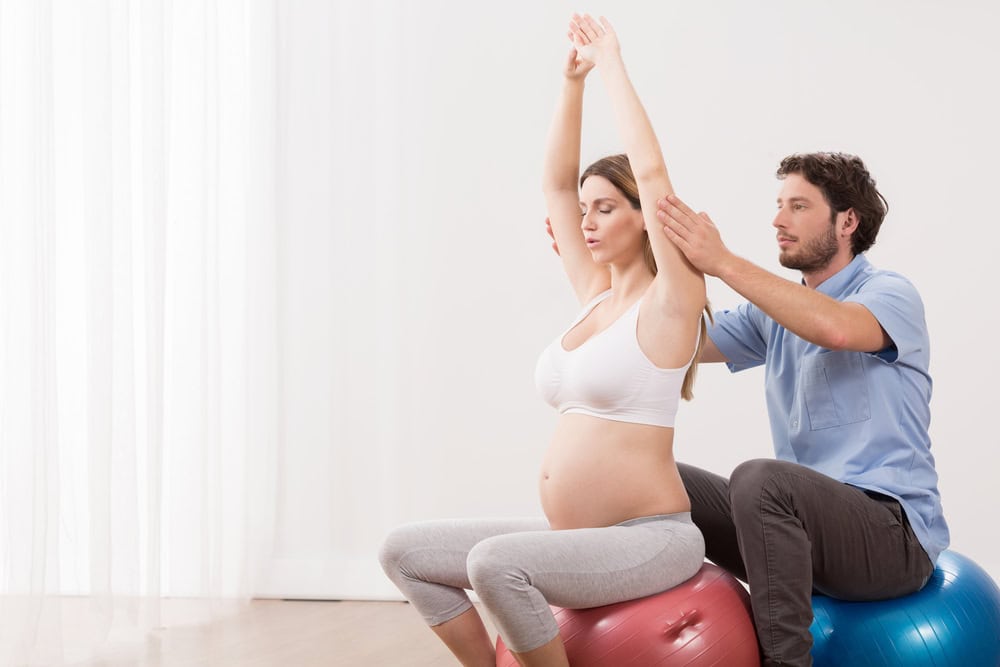
During pregnancy, many women notice changes in how they breathe, often feeling short of breath, tense, or unable to fully relax. As your body adapts, breathing patterns can become less efficient, which may increase discomfort, reduce core support, and affect how you manage stress. With the guidance of Pregnancy Physiotherapy, breathwork becomes a practical tool to support your body, improve control, and prepare you for both delivery and recovery. It is not about breathing more, but about breathing better.
Why Breathing Changes During Pregnancy
As your baby grows, your diaphragm moves upward and your ribcage expands. Hormonal changes also influence your breathing pattern, often leading to quicker, more shallow breaths. These changes are normal, but they can reduce how effectively your breathing supports your core and posture.
When breathing becomes shallow or uncoordinated, it can increase tension in the neck and shoulders, reduce stability in the core, and affect how pressure is managed within the abdomen. This can contribute to discomfort in the lower back, pelvis, and upper body.
Understanding these changes allows you to adapt your breathing in a way that supports your body rather than working against it.
The Role of Breathwork in Prenatal Support
Breathwork is a key part of maintaining stability, managing pressure, and supporting movement during pregnancy. It works closely with the core and pelvic floor to create a system that adapts to the demands of your body.
Effective breathing helps reduce unnecessary tension, improve oxygen delivery, and support better coordination between muscles. This leads to more efficient movement and improved comfort throughout the day.
It also plays an important role in preparing for labour, where controlled breathing can help manage effort and maintain focus.
Key Benefits of Breathwork During Pregnancy
Improved Core Support
Your diaphragm is part of your core system. When breathing is coordinated correctly, it works together with your abdominal muscles and pelvic floor to provide stability. This reduces strain on your spine and pelvis.
Better Pelvic Floor Function
The pelvic floor responds to changes in pressure within the abdomen. Breathwork helps regulate this pressure, allowing the pelvic floor to function more effectively without excessive strain.
Reduced Tension and Discomfort
Shallow or inefficient breathing often leads to tension in the upper body. Improving your breathing pattern can reduce this tension and improve overall comfort.
Enhanced Relaxation and Stress Management
Breathing has a direct effect on your nervous system. Controlled breathing can help reduce stress, improve relaxation, and support better sleep.
Common Breathing Patterns That Need Adjustment
Chest-Dominant Breathing
Breathing primarily into the chest can increase tension in the shoulders and neck. It also reduces the contribution of the diaphragm and core muscles.
Breath Holding
Holding your breath during movement or effort increases internal pressure and reduces stability. This is a common habit that needs to be corrected.
Shallow Breathing
Taking small, quick breaths limits oxygen exchange and reduces the effectiveness of your breathing pattern.
Principles of Effective Prenatal Breathing
Diaphragmatic Breathing
This involves allowing your breath to expand through your ribcage rather than lifting your shoulders. The movement should feel natural and controlled, without force.
360-Degree Expansion
Your breath should expand not only forward but also to the sides and back of your ribcage. This creates a balanced pressure system that supports your core.
Coordination with Movement
Breathing should be timed with your movements. For example, exhaling during effort helps manage pressure and support stability.
Pelvic Floor Integration
The pelvic floor should respond naturally to your breathing. As you inhale, it gently relaxes. As you exhale, it provides support. This coordination is key to effective function.
Applying Breathwork in Daily Activities
Standing and Walking
Maintaining steady, controlled breathing while standing or walking helps reduce tension and improve stability. Avoid shallow or rapid breathing patterns.
Getting In and Out of Bed
Coordinating your breath with movement helps reduce strain on your abdomen and pelvis. Exhaling during effort can make these transitions more comfortable.
Lifting and Carrying
Using your breath to support movement helps manage pressure and protect your body during lifting tasks.
Breathwork and Preparation for Labour
Breathing techniques are a key part of preparing for delivery. Controlled breathing helps you manage contractions, maintain focus, and conserve energy.
Practising breathwork during pregnancy allows these patterns to become natural, so you can use them effectively when needed.
It also helps you stay relaxed and in control, which can improve your overall experience during labour.
What a Structured Approach Involves
Assessment of Breathing Pattern
Understanding how you currently breathe provides a starting point for improvement. This includes observing how your ribcage moves and how your muscles are coordinating.
Guided Practice
Breathing techniques are introduced in a clear and progressive way. This ensures that you are using the correct muscles and patterns.
Integration into Exercise and Daily Life
Breathwork is incorporated into your exercises and everyday activities. This ensures that it becomes part of how you move, not just something you practise separately.
Ongoing Adaptation
As your body changes, your breathing strategies are adjusted to continue supporting your needs.
Supporting Postnatal Recovery
Effective breathing patterns during pregnancy help support recovery after birth. When your core and pelvic floor have been working in coordination, it is easier to restore strength and function.
This reduces the likelihood of ongoing issues and helps you return to daily activities with greater confidence.
Taking the Next Step
If you feel that your breathing is shallow, tense, or not supporting your movement, a structured assessment can provide clarity. Understanding how to breathe effectively allows you to support your body in a simple but powerful way.
With guided practice, you can improve comfort, reduce strain, and prepare for both delivery and recovery.
Conclusion
Breathwork is a fundamental part of prenatal support. By improving how you breathe, you support your core, reduce tension, and enhance your ability to move comfortably. With a clear and personalised approach, breathing becomes a practical tool that helps you navigate pregnancy with greater control, confidence, and ease.
