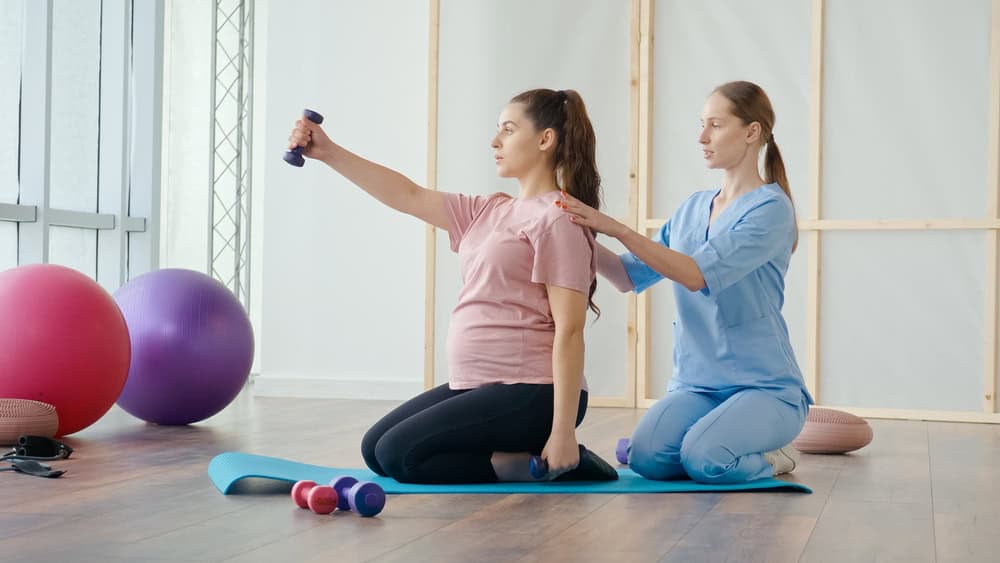
As your pregnancy progresses, your abdominal muscles naturally stretch to accommodate your growing baby. For some women, this can lead to a separation along the midline of the abdomen, known as diastasis recti. While this is a normal adaptation, how your body manages pressure and movement during pregnancy plays an important role in preventing excessive strain. Through Pregnancy Physiotherapy, you can follow structured, evidence-based strategies to support your abdominal wall, maintain function, and reduce the risk of complications.
What Is Diastasis Recti
Diastasis recti refers to the widening of the connective tissue between the two sides of your abdominal muscles. This occurs as the uterus expands and pressure within the abdomen increases.
Some degree of separation is expected during pregnancy. The focus is not on preventing all separation, but on supporting your body so that the abdominal wall remains functional and can recover effectively after birth.
When the abdominal wall is not well supported, excessive strain can lead to a larger separation, reduced core stability, and difficulty with movement.
Why Prevention Strategies Matter
Supporting your abdominal wall during pregnancy helps maintain core function, reduce strain on your lower back and pelvis, and improve your ability to move comfortably.
It also plays a key role in postnatal recovery. When your body has been supported throughout pregnancy, it is easier to restore strength and function after delivery.
Prevention strategies focus on managing pressure, improving muscle coordination, and maintaining good movement patterns.
Key Factors That Influence Diastasis
Increased Intra-Abdominal Pressure
Activities or movements that create excessive pressure within the abdomen can place strain on the abdominal wall. This includes breath holding, straining, or poor movement mechanics.
Poor Core Coordination
If the deep core muscles are not working effectively, the abdominal wall may not be adequately supported.
Postural Changes
Changes in posture can alter how forces are distributed through your abdomen and increase strain on the midline.
Movement Habits
How you perform everyday activities, such as getting out of bed or lifting objects, can influence how pressure is managed.
Effective Strategies to Support Your Abdominal Wall
Manage Pressure Through Breathing
Coordinating your breath with movement helps regulate pressure within the abdomen. Exhaling during effort reduces strain and supports your core.
Gentle Core Activation
Activating the deep abdominal muscles in a controlled way provides support without creating excessive tension. The focus is on subtle engagement rather than forceful contraction.
Avoid Straining Movements
Movements that involve pushing, heavy lifting, or intense abdominal effort should be modified to reduce pressure on the abdominal wall.
Maintain Good Posture
Keeping your ribcage aligned over your pelvis helps distribute load evenly and reduces unnecessary strain on your abdomen.
Use Controlled Movement Techniques
Moving with control during daily activities helps protect your abdominal wall. This includes rolling onto your side before sitting up and avoiding sudden movements.
Common Movements to Modify
Getting Out of Bed
Rolling onto your side and using your arms to push up reduces strain on your abdomen compared to sitting straight up.
Lifting Objects
Using your legs and coordinating your breath with movement helps manage pressure and protect your core.
Exercise Modifications
High-pressure exercises, such as traditional sit-ups or intense abdominal work, should be avoided. Instead, focus on controlled, supportive movements.
The Role of Exercise in Prevention
Exercise plays an important role in supporting your abdominal wall when it is performed correctly. A structured programme focuses on improving core coordination, pelvic stability, and overall movement quality.
Exercises are selected based on your stage of pregnancy and individual needs, ensuring that they provide support without increasing strain.
Consistency and technique are key, with regular, controlled sessions providing the best results.
Signs You May Need Additional Support
You may benefit from guidance if you notice a visible bulging along the midline of your abdomen, difficulty engaging your core, or discomfort during certain movements. These signs indicate that your body may need more structured support.
Early intervention helps prevent further strain and supports better outcomes.
What a Structured Approach Looks Like
Comprehensive Assessment
Your posture, breathing pattern, and core function are evaluated to understand how your body is managing pressure.
Personalised Exercise Programme
Your plan is tailored to support your abdominal wall, improve coordination, and reduce strain during daily activities.
Education and Movement Training
You are guided on how to move safely and effectively, ensuring that your daily habits support your body.
Ongoing Progression
As your pregnancy progresses, your programme is adjusted to maintain support and continue improving function.
Preparing for Postnatal Recovery
Supporting your abdominal wall during pregnancy sets the foundation for recovery after birth. When your core system has been functioning well, it is easier to restore strength and reduce separation over time.
This approach helps you return to daily activities and exercise with greater confidence.
Taking the Next Step
If you are unsure how to protect your abdominal wall or want to ensure you are following the right strategies, a structured assessment can provide clarity. Understanding your body allows you to take a proactive approach.
With the right guidance, you can support your core, reduce strain, and prepare for both delivery and recovery.
Conclusion
Diastasis prevention during pregnancy is about managing pressure, improving coordination, and supporting your body through change. By focusing on controlled movement, effective breathing, and gentle core activation, you can maintain function and reduce unnecessary strain. With a personalised and structured approach, you can move through your pregnancy with confidence and prepare your body for recovery after birth.
