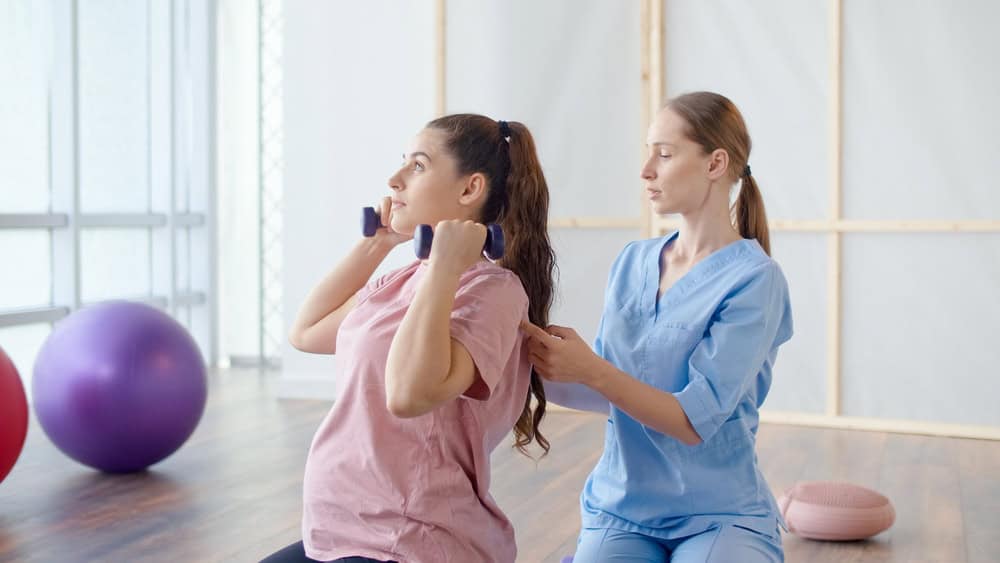
Staying active during pregnancy supports your energy levels, circulation, and overall wellbeing, but many women are unsure what level of cardiovascular activity is safe. Concerns about overexertion, fatigue, or affecting the baby often lead to reduced activity or complete avoidance. In reality, the right type of cardiovascular exercise can support both your health and your recovery. With guidance from Pregnancy Physiotherapy, you can follow a structured approach that keeps your activity safe, controlled, and aligned with your body’s changing needs.
Why Cardiovascular Activity Matters During Pregnancy
Cardiovascular activity helps maintain heart and lung function, supports circulation, and improves your ability to manage physical demands. During pregnancy, this becomes increasingly important as your body works harder to support both you and your baby.
Regular, moderate activity can reduce fatigue, improve mood, and help manage common symptoms such as swelling and stiffness. It also supports better endurance, which can be beneficial during labour.
The goal is not to push your limits but to maintain consistent, manageable activity that supports your body.
What Makes Cardiovascular Activity Safe
Moderate Intensity
Safe cardiovascular exercise should feel manageable. You should be able to maintain a conversation while exercising without feeling breathless or strained.
Low-Impact Movement
Activities that minimise stress on your joints are preferred. This reduces the risk of discomfort and supports better control.
Consistency Over Intensity
Regular sessions at a moderate level are more effective than occasional high-intensity workouts. Consistency supports steady progress and reduces strain.
Adaptation to Your Stage of Pregnancy
Your activity should be adjusted as your body changes. What feels comfortable in early pregnancy may need to be modified later on.
Examples of Safe Cardiovascular Activities
Walking
Walking is one of the most accessible and effective forms of cardiovascular exercise during pregnancy. It supports circulation, maintains mobility, and can be easily adjusted in intensity.
Stationary Cycling
Cycling on a stationary bike provides a low-impact way to improve cardiovascular fitness while maintaining stability and control.
Swimming or Water-Based Exercise
Water supports your body weight, reducing strain on joints and allowing comfortable movement. This can be particularly beneficial in later stages of pregnancy.
Low-Impact Aerobic Exercise
Structured classes or guided sessions designed for pregnancy can provide safe and effective cardiovascular activity.
How to Monitor Your Effort
Use the Talk Test
If you can speak comfortably while exercising, you are likely working at an appropriate intensity. If speaking becomes difficult, the intensity should be reduced.
Listen to Your Body
Fatigue, dizziness, or discomfort are signs that you may need to stop or adjust your activity. Your body provides clear signals when something is not right.
Avoid Overheating
Maintaining a comfortable body temperature is important. Exercising in a well-ventilated environment and staying hydrated helps reduce this risk.
Common Mistakes to Avoid
Exercising at High Intensity
High-intensity workouts can place unnecessary strain on your body and are generally not recommended during pregnancy.
Ignoring Fatigue
Pushing through fatigue can increase the risk of injury or discomfort. Rest and recovery are important parts of your routine.
Lack of Structure
Random or unplanned activity may not provide the right level of support. A structured approach ensures that your exercise is effective and safe.
Not Adjusting as Pregnancy Progresses
Your body’s needs change over time. Failing to adapt your activity can lead to discomfort or strain.
The Role of Cardiovascular Activity in Pain Management
Gentle cardiovascular exercise can help reduce common pregnancy-related discomforts such as lower back pain, stiffness, and swelling. Improved circulation supports tissue health and reduces the build-up of fluid in the lower limbs.
Movement also helps maintain joint mobility and reduces the likelihood of stiffness from prolonged inactivity.
What a Structured Programme Looks Like
Initial Assessment
Your current fitness level, symptoms, and stage of pregnancy are assessed to determine the most appropriate starting point.
Personalised Activity Plan
Your plan includes activities that match your needs and goals, ensuring that you remain active without unnecessary strain.
Progressive Adaptation
As your pregnancy progresses, your programme is adjusted to maintain comfort and support continued activity.
Integration with Strength and Mobility Work
Cardiovascular activity is combined with exercises that support strength and flexibility, providing a balanced approach to movement.
Preparing for Birth and Recovery
Maintaining cardiovascular fitness during pregnancy helps prepare your body for the physical demands of labour. Improved endurance and breathing control can support you during delivery.
It also contributes to a smoother recovery after birth, as your body remains conditioned and better able to return to activity.
Taking the Next Step
If you are unsure what level of activity is right for you or have reduced your exercise due to discomfort or uncertainty, a structured assessment can provide clarity. Understanding your body’s needs allows you to stay active with confidence.
With a personalised plan, you can maintain fitness, reduce discomfort, and support your overall wellbeing throughout pregnancy.
Conclusion
Safe cardiovascular activity during pregnancy supports your health, comfort, and preparation for what lies ahead. By focusing on moderate, low-impact movement and following a structured approach, you can stay active without unnecessary strain. With clear guidance and consistent support, you can maintain your fitness and move through your pregnancy with greater confidence and control.
