
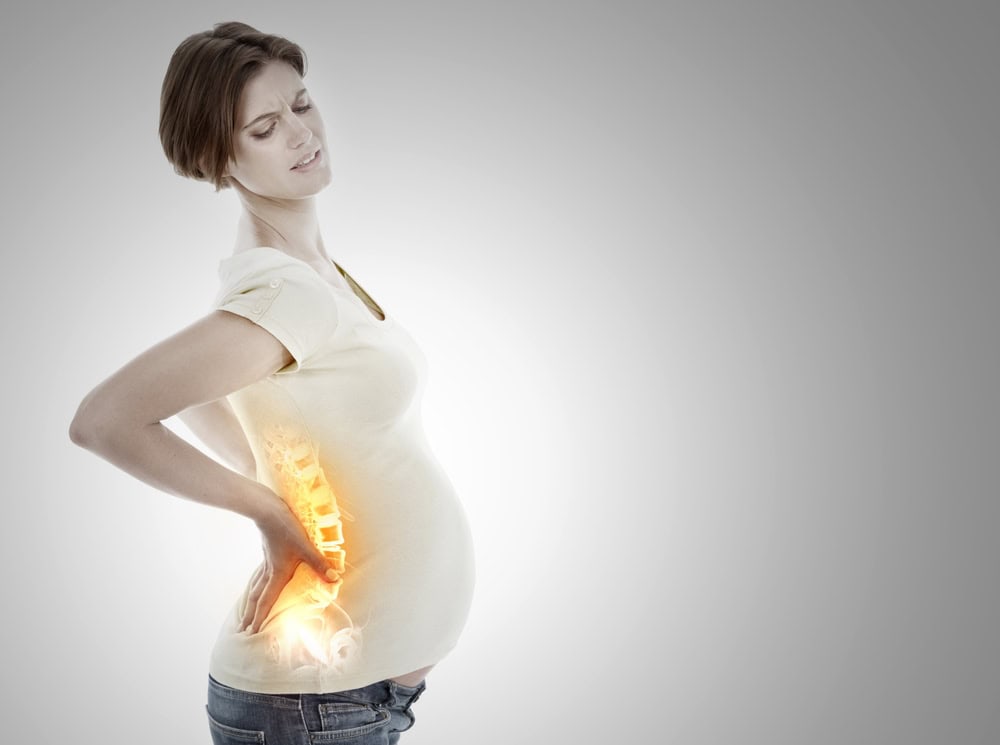
Swelling in the legs, ankles, feet, and sometimes hands is a common experience during pregnancy, particularly in the later stages. You may notice tightness in your shoes, heaviness in your legs, or visible puffiness that increases throughout the day. While this is often a normal response to fluid changes in the body, it can affect comfort and mobility. With the support of Pregnancy Physiotherapy, swelling and fluid retention can be managed through practical, evidence-based strategies that improve circulation, reduce discomfort, and help you move more easily.
Why Swelling Occurs During Pregnancy
During pregnancy, your body produces more fluid to support both you and your baby. At the same time, hormonal changes affect how your blood vessels function, making it easier for fluid to move into surrounding tissues.
As your uterus grows, it can also place pressure on blood vessels that return fluid from your lower body. This can slow circulation and contribute to fluid build-up in the legs and feet.
These changes are expected, but they can become more noticeable with prolonged standing, heat, or reduced movement.
Common Areas Affected
Feet and Ankles
This is the most common area for swelling, often becoming more noticeable by the end of the day.
Lower Legs
Fluid can accumulate in the calves, leading to a feeling of heaviness or tightness.
Hands and Fingers
Some women experience swelling in the hands, which can affect grip and comfort.
How Swelling Affects Daily Life
Swelling can make walking, standing, and even resting uncomfortable. You may feel heaviness in your legs, reduced mobility in your ankles, or difficulty wearing certain footwear.
While swelling is usually not harmful, managing it effectively helps maintain comfort and supports your ability to stay active.
Effective Strategies to Manage Fluid Retention
Regular Movement
Gentle, consistent movement helps improve circulation and prevent fluid from pooling in the lower body. Walking and light activity throughout the day can make a significant difference.
Leg Elevation
Raising your legs above heart level when resting helps encourage fluid to move back towards your upper body, reducing swelling in the lower limbs.
Avoid Prolonged Positions
Staying in one position for too long, whether sitting or standing, can increase swelling. Changing position regularly supports circulation.
Supportive Positioning
Using supportive positions when sitting or lying down can help reduce pressure on blood vessels and improve fluid movement.
The Role of Exercise in Reducing Swelling
Exercise plays a key role in supporting circulation and reducing fluid retention. Low-impact activities such as walking or gentle movement routines help activate the muscles in your legs, which act as a pump to move fluid back towards your heart.
Consistency is important, with regular, moderate activity providing the most benefit.
Targeted Techniques for Circulation Support
Ankle and Foot Movements
Simple movements such as ankle rotations and foot flexing can help stimulate circulation in the lower legs.
Calf Muscle Activation
Engaging the calf muscles through gentle exercises supports the return of fluid from the lower limbs.
Breathing Techniques
Controlled breathing can assist circulation by influencing pressure within the body and supporting fluid movement.
Daily Habits That Help
Stay Hydrated
Maintaining good hydration supports your body’s ability to regulate fluid balance.
Wear Comfortable Clothing
Avoid tight clothing that restricts circulation, particularly around the legs and waist.
Choose Supportive Footwear
Comfortable, supportive shoes help reduce strain on your feet and improve overall comfort.
Rest with Purpose
Taking short, regular breaks to elevate your legs can help manage swelling throughout the day.
When to Seek Guidance
While swelling is common, sudden or severe swelling, particularly in the face or hands, should be assessed. If your symptoms are persistent, uncomfortable, or affecting your ability to move, professional guidance can help you manage them more effectively.
A structured assessment helps identify contributing factors and provides a clear plan to improve your comfort.
What a Structured Approach Looks Like
Assessment of Circulation and Movement
Your movement patterns, posture, and daily habits are reviewed to understand how they may be contributing to swelling.
Personalised Activity Plan
Your plan includes exercises and strategies designed to improve circulation and reduce fluid build-up.
Education and Practical Guidance
You are guided on how to manage swelling throughout your day with simple, effective strategies.
Ongoing Support
Your plan is adjusted as your pregnancy progresses to ensure continued comfort and effectiveness.
Preparing for Comfort and Recovery
Managing swelling during pregnancy helps maintain mobility and reduces discomfort, making it easier to stay active. This supports your overall wellbeing and prepares your body for delivery.
It also contributes to a smoother recovery after birth, as good circulation supports healing and reduces ongoing fluid retention.
Taking the Next Step
If swelling or fluid retention is affecting your comfort, the next step is understanding what your body needs to improve circulation and reduce strain. A structured assessment provides clarity and direction.
With the right guidance, you can manage swelling effectively and continue your daily activities with greater ease.
Conclusion
Swelling during pregnancy is common, but it can be managed with the right approach. By supporting circulation, staying active, and following practical strategies, you can reduce discomfort and maintain mobility. With clear guidance and a personalised plan, you can move through your pregnancy with greater comfort and confidence.
