
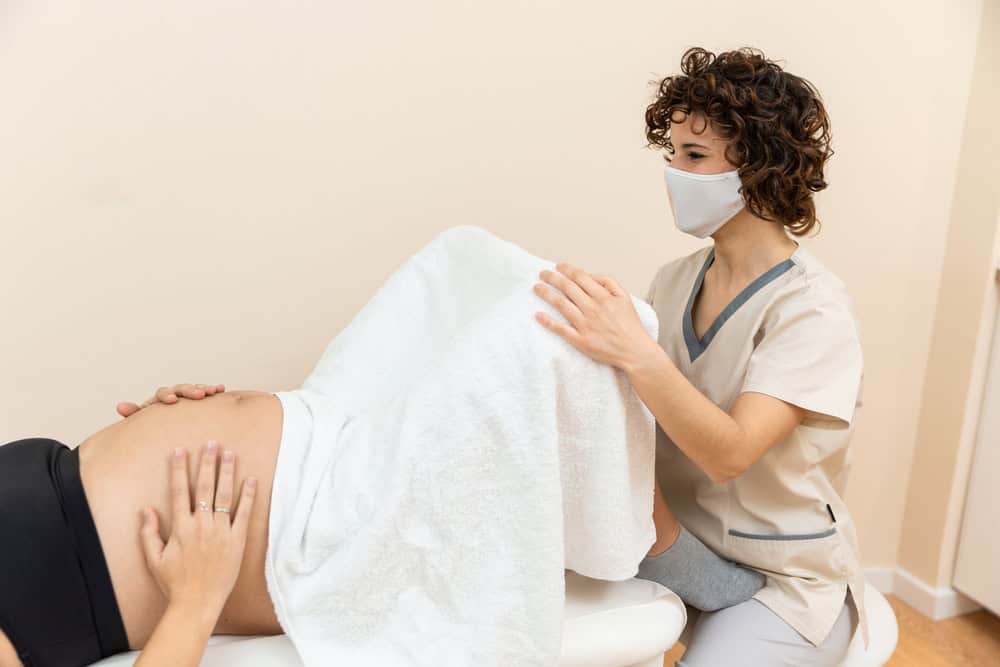
Leaking urine during a cough or feeling a sudden, uncontrollable urge to rush to the bathroom can be frustrating and often confusing. These symptoms are commonly linked to two distinct types of bladder control issues, stress incontinence and urge incontinence. Understanding the difference between them is essential for choosing the right approach to recovery. At Adam Vital Physiotherapy & Rehabilitation Center, we guide you through a structured, evidence-based approach to Incontinence Treatment, helping you identify the exact cause of your symptoms and build a plan that restores control, confidence, and daily function.
Understanding the Key Difference
Stress and urge incontinence are both forms of urinary leakage, but they arise from different mechanisms within the body. Stress incontinence is primarily linked to physical pressure on the bladder combined with reduced pelvic floor support. Urge incontinence is driven by bladder overactivity and altered nerve signalling that creates a sudden, intense need to urinate.
This distinction matters because treatment strategies differ. What works for one type may not be effective for the other, which is why accurate assessment is essential.
What Is Stress Urinary Incontinence
Stress urinary incontinence occurs when physical movement increases pressure inside the abdomen and bladder, leading to leakage. This typically happens during everyday activities that involve force or impact.
Common Triggers
Leakage may occur when you cough, sneeze, laugh, lift objects, or participate in exercise such as running or jumping. Even simple movements like standing up from a chair can trigger symptoms in more advanced cases.
Underlying Causes
The main factor is reduced strength or coordination of the pelvic floor muscles. These muscles are responsible for supporting the bladder and maintaining closure of the urethra. When they are not functioning effectively, they cannot counteract the pressure generated during movement.
Contributing factors often include pregnancy, childbirth, hormonal changes, and previous pelvic surgery. High-impact training and chronic straining can also reduce pelvic support over time.
Typical Symptom Pattern
Leakage is usually small in volume and directly linked to specific physical actions. There is often no warning or sensation of urgency before it occurs.
What Is Urge Urinary Incontinence
Urge urinary incontinence is defined by a sudden and strong need to urinate that is difficult to delay. This urgency can result in leakage before reaching a bathroom.
Common Triggers
Triggers can include hearing running water, unlocking your front door, or even thinking about going to the bathroom. Temperature changes and fluid intake patterns may also influence symptoms.
Underlying Causes
This type is linked to overactivity of the bladder muscle. The bladder may contract prematurely, even when it is not full. This can be influenced by increased sensitivity, altered nerve communication, or lifestyle factors.
In some cases, neurological conditions or chronic bladder irritation may contribute to these patterns.
Typical Symptom Pattern
The urgency is often intense and sudden. Leakage can be larger in volume compared to stress incontinence, and there is usually an increased frequency of urination throughout the day.
Key Differences Between Stress and Urge Incontinence
While both conditions involve involuntary leakage, the experience and triggers are distinct.
Timing of Leakage
Stress incontinence occurs during physical effort or movement. Urge incontinence occurs after a sudden sensation of needing to urinate.
Volume of Leakage
Stress incontinence typically involves small amounts of leakage. Urge incontinence may result in larger volumes if the urge cannot be controlled in time.
Control and Awareness
With stress incontinence, there is often no warning. With urge incontinence, there is a strong awareness of urgency, but limited ability to delay.
Primary Cause
Stress incontinence is related to pelvic floor weakness or reduced support. Urge incontinence is related to bladder overactivity and sensitivity.
Can You Have Both
It is possible to experience both stress and urge incontinence at the same time. This is known as mixed incontinence. In these cases, symptoms may vary depending on the situation, with some episodes triggered by movement and others by urgency.
This combination requires a more tailored rehabilitation plan that addresses both pelvic floor function and bladder control strategies.
Why Accurate Assessment Matters
Many people attempt to manage symptoms based on assumptions, which can lead to limited progress. For example, focusing only on strengthening exercises may not resolve urgency-driven symptoms. Similarly, addressing bladder habits alone may not support structural weakness.
At Adam Vital Physiotherapy & Rehabilitation Center, your assessment is designed to identify how your pelvic floor muscles are functioning, how your bladder behaves, and how your daily activities influence your symptoms. This allows us to target treatment precisely and track measurable progress.
How Physiotherapy Approaches Each Type
Physiotherapy plays a central role in managing both stress and urge incontinence, but the strategies differ based on the underlying cause.
Managing Stress Incontinence
Rehabilitation focuses on improving pelvic floor strength, endurance, and coordination. You will learn how to activate these muscles effectively during activities that increase pressure, such as lifting or coughing.
Movement patterns are also assessed to ensure your body distributes load efficiently, reducing unnecessary strain on the pelvic floor.
Managing Urge Incontinence
For urge-related symptoms, treatment focuses on calming bladder overactivity and improving control over urgency. This includes bladder training techniques, timing strategies, and gradual exposure to triggers.
Education around fluid intake, habits, and behavioural patterns is also important in reducing sensitivity.
Addressing Mixed Incontinence
When both types are present, your plan combines elements of strength training and bladder retraining. The goal is to improve both structural support and functional control.
What to Expect from Treatment
Your treatment plan is structured, progressive, and tailored to your specific presentation. Most patients begin to notice changes within a few sessions, depending on the consistency of exercises and the severity of symptoms.
Progress is measured through outcomes such as reduced leakage episodes, improved control, and increased confidence in daily activities. The focus remains on long-term improvement rather than short-term symptom management.
When to Seek Support
If you are experiencing leakage during movement, sudden urgency, or a combination of both, it is important to address it early. These symptoms are common, but they are not something you need to accept as part of daily life.
Early intervention allows for more efficient recovery and reduces the risk of symptoms becoming more persistent over time.
Conclusion
Stress and urge incontinence may share similar outcomes, but they differ significantly in cause and treatment approach. Understanding these differences allows for more effective, targeted care. At Adam Vital Physiotherapy & Rehabilitation Center, we focus on identifying the exact source of your symptoms and guiding you through a structured plan that restores control and supports your long-term performance. The next step is simple. Book an assessment, gain clarity on your condition, and begin a personalised path toward recovery and confidence.
