
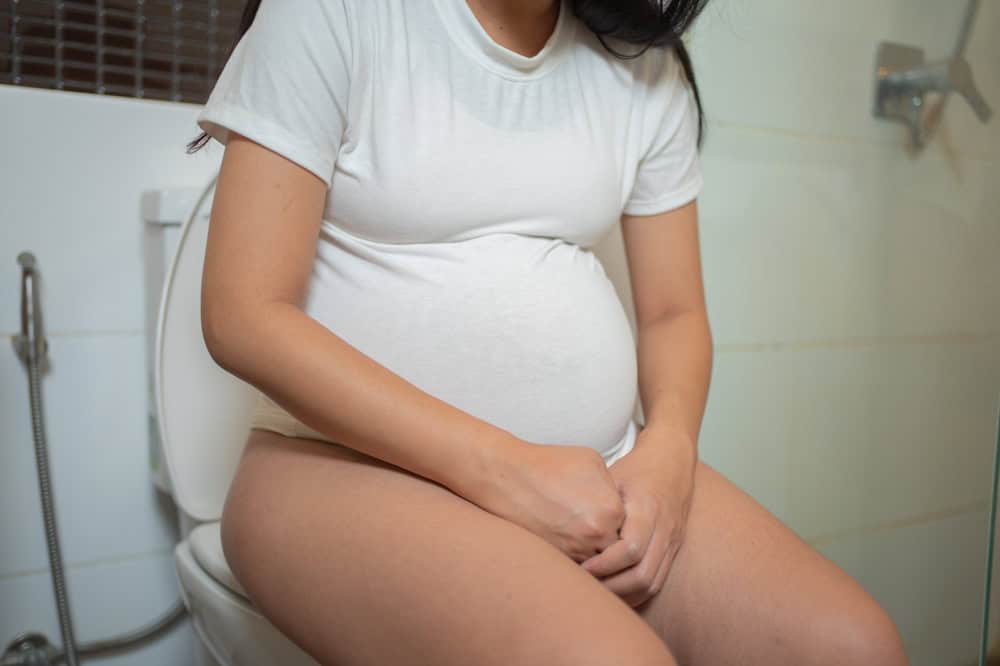
Struggling with bladder control while also experiencing constipation is more common than many people realise. The connection between bowel and bladder function is often overlooked, yet both systems share the same space, muscles, and nerve pathways. When bowel habits are disrupted, this can place additional strain on the bladder and pelvic floor, contributing to urgency, frequency, or leakage. Understanding this relationship is an important step toward effective management. At Adam Vital Physiotherapy & Rehabilitation Center, we take a structured, evidence-based approach to Incontinence Treatment, addressing both bowel and bladder function to restore control, comfort, and confidence.
How Constipation Affects the Bladder
The bladder and bowel sit close together within the pelvis and are supported by the same pelvic floor muscles. When the bowel is full or not emptying effectively, it can place pressure on the bladder and alter how it functions.
This pressure can reduce the bladder’s ability to fill comfortably, increase urgency, and make it more difficult to maintain control. Over time, this can contribute to patterns of frequent urination or leakage.
The Role of the Pelvic Floor
The pelvic floor muscles play a key role in both bowel and bladder control. These muscles must contract to maintain continence and relax to allow emptying.
When constipation is present, the pelvic floor may become tense or uncoordinated. Straining during bowel movements can further disrupt muscle function, making it harder to control the bladder effectively.
Impact of Straining
Repeated straining increases downward pressure on the pelvic floor. Over time, this can weaken support and reduce the muscles’ ability to respond during activities such as coughing or lifting.
Reduced Muscle Coordination
If the pelvic floor does not relax properly during bowel movements, it can affect its ability to contract effectively when needed for bladder control.
Common Bladder Symptoms Linked to Constipation
Constipation can contribute to a range of bladder-related symptoms. These may include increased urgency, frequent trips to the bathroom, difficulty delaying urination, and episodes of leakage.
Some individuals may also experience a sensation of incomplete bladder emptying, which can be linked to pressure from the bowel.
Why Addressing Constipation Improves Bladder Control
Improving bowel function reduces pressure on the bladder and allows the pelvic floor to function more effectively. This creates a more stable environment for bladder control.
Addressing constipation is often a key step in reducing bladder symptoms, particularly when both issues are present.
Factors Contributing to Constipation
Constipation can develop for several reasons, many of which are related to daily habits and lifestyle patterns.
Low Fibre Intake
A diet low in fibre can lead to harder stools and reduced bowel movement frequency, making emptying more difficult.
Inadequate Hydration
Insufficient fluid intake can contribute to dry, hard stools that are more difficult to pass.
Reduced Physical Activity
Movement supports bowel function by stimulating natural digestive processes. Low activity levels can slow this process.
Ignoring the Urge
Delaying bowel movements can lead to increased stool retention and reduced sensitivity to the urge to empty.
Strategies to Improve Bowel Function
Improving bowel habits can have a direct and positive impact on bladder control. A structured approach focuses on consistency, comfort, and reducing strain.
Increase Fibre Intake Gradually
Including more fibre from fruits, vegetables, and whole foods helps soften stools and support regular bowel movements. Changes should be gradual to allow the body to adapt.
Maintain Adequate Hydration
Consistent fluid intake supports stool consistency and ease of passage. Balance is important to support both bowel and bladder health.
Establish a Routine
Going to the bathroom at regular times, particularly after meals, can help train the bowel to follow a consistent pattern.
Respond to the Urge
When you feel the need to go, responding promptly helps maintain natural bowel function and reduces the risk of constipation.
Optimise Positioning
Positioning during bowel movements can make a significant difference. Sitting with your knees slightly elevated and maintaining a relaxed posture can support easier emptying.
Reducing Strain on the Pelvic Floor
Protecting the pelvic floor is essential for both bowel and bladder health. Reducing strain during bowel movements helps maintain muscle function and support.
Techniques such as controlled breathing and avoiding excessive pushing can reduce pressure and improve coordination.
The Role of Physiotherapy in Managing Both Systems
Addressing constipation and bladder dysfunction together requires a coordinated approach. At Adam Vital Physiotherapy & Rehabilitation Center, we assess how your pelvic floor muscles function in relation to both bowel and bladder activity.
This allows us to identify patterns that may be contributing to your symptoms and create a plan that addresses both systems effectively.
Pelvic Floor Rehabilitation
We focus on improving both strength and relaxation, ensuring that your muscles can support continence and allow effective emptying.
Movement and Postural Guidance
Your posture and movement patterns are assessed to reduce unnecessary strain and support better function.
Education and Habit Formation
You receive clear guidance on daily habits, helping you build routines that support both bowel and bladder health.
What to Expect from Treatment
With consistent changes and a structured plan, many patients notice improvements in both bowel and bladder symptoms. This may include more regular bowel movements, reduced urgency, and fewer episodes of leakage.
Progress is gradual and depends on consistency, but even small changes can lead to meaningful improvements in comfort and control.
When to Seek Support
If you are experiencing ongoing constipation alongside bladder symptoms, it is important to address both issues together. Ignoring one can limit progress in the other.
Early assessment allows for a more targeted and effective approach, reducing the impact on your daily life.
Conclusion
Constipation and bladder dysfunction are closely linked, with each influencing the other through shared structures and functions. By addressing bowel habits, reducing strain, and improving pelvic floor coordination, you can support better bladder control and overall comfort. At Adam Vital Physiotherapy & Rehabilitation Center, we guide you through a clear, personalised process that targets both systems for lasting results. The next step is simple. Book an assessment, understand how your bowel and bladder are working together, and begin a plan designed to restore control and confidence.
