As your body changes during pregnancy, tightness, discomfort, and reduced mobility can make everyday movement feel more challenging. You may notice stiffness in your back, hips, or legs, or feel less flexible than usual. The right stretches can help relieve tension, improve circulation, and support more comfortable movement. At Pregnancy-Related Pain Treatment, we guide you through safe, effective stretching strategies that are tailored to your body and your stage of pregnancy, helping you reduce pain while maintaining stability and control.
Why Stretching Matters During Pregnancy
Stretching plays an important role in managing musculoskeletal discomfort during pregnancy. As your body adapts, certain muscles become tight while others become less active. This imbalance can lead to strain, reduced mobility, and pain.
Safe stretching helps maintain flexibility, reduce muscle tension, and improve how your body moves. It also supports circulation, which can help reduce swelling and discomfort in the lower limbs.
However, it is important that stretching is done in a controlled and appropriate way. Due to increased joint mobility during pregnancy, overstretching can lead to instability if not guided correctly.
Principles of Safe Stretching
Before starting any stretching routine, it is important to understand how to stretch safely during pregnancy.
Avoid Overstretching
Your joints are naturally more flexible during pregnancy. Stretch to a point of gentle tension, not pain, and avoid pushing beyond your comfortable range.
Focus on Controlled Movement
Move slowly into and out of each stretch. Avoid sudden or jerky movements that may place unnecessary strain on your muscles or joints.
Maintain Stable Positioning
Ensure your body is well supported during stretches. Use cushions or support where needed to maintain alignment and reduce strain.
Coordinate Breathing
Steady breathing helps relax the muscles and supports better movement. Avoid holding your breath during stretches.
Listen to Your Body
If a stretch causes discomfort or feels unstable, stop and adjust. Your body’s response is the most important guide.
Key Areas to Focus On
Stretching should target areas that commonly become tight or overloaded during pregnancy.
Lower Back and Hips
These areas often carry increased load due to postural changes. Gentle stretches can help reduce tension and improve mobility.
Glutes and Pelvic Region
Maintaining flexibility in the gluteal muscles supports pelvic stability and reduces strain on the lower back.
Calves and Legs
Stretching the lower limbs can help reduce cramping and support circulation.
Chest and Shoulders
Opening the chest and reducing tension in the shoulders can improve posture and reduce upper back discomfort.
Examples of Safe Stretches
These stretches are commonly used to support comfort during pregnancy. They should be performed gently and within your comfort level.
Seated Forward Lean
Sit comfortably with your legs slightly apart and gently lean forward from your hips. This helps stretch the lower back and hips without placing pressure on the abdomen.
Supported Hip Stretch
In a seated or lying position, gently bring one leg into a supported position to stretch the hip. Use cushions or your hands to maintain control and stability.
Calf Stretch
Standing facing a wall, place one foot behind you and gently press the heel into the ground. This helps reduce calf tightness and may reduce the likelihood of cramping.
Chest Opening Stretch
Gently draw your shoulders back and open your chest. This helps counteract forward posture and reduce upper back tension.
Neck Stretch
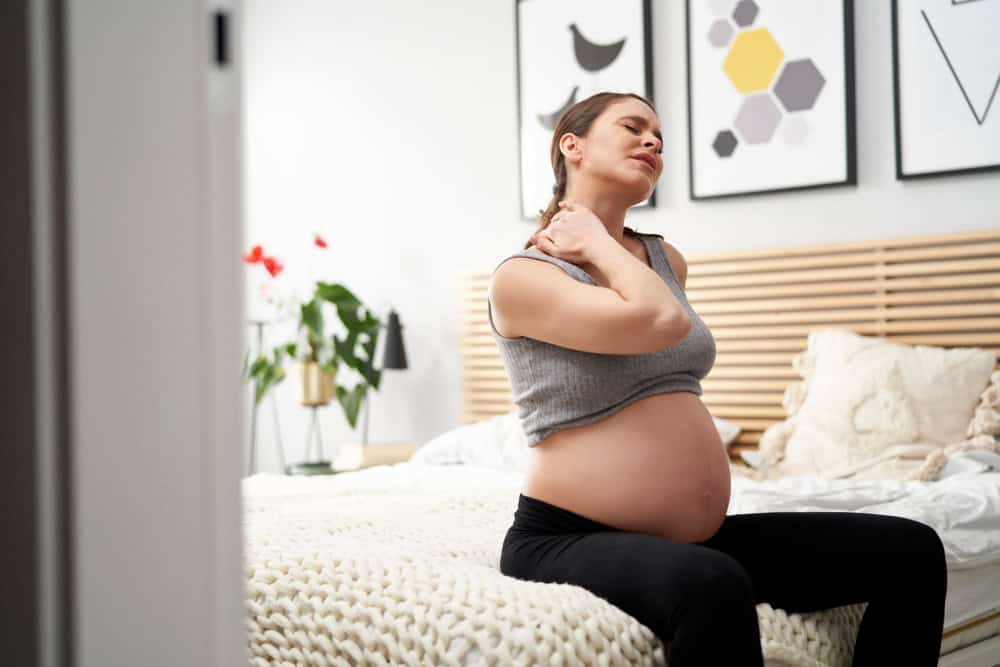
Slowly tilt your head to one side to stretch the neck muscles. Keep the movement controlled and avoid forcing the stretch.
When and How Often to Stretch
Stretching can be incorporated into your daily routine to support comfort and mobility.
Short, regular sessions are more effective than infrequent, longer sessions. Gentle stretching in the morning can reduce stiffness, while stretching in the evening can help relieve tension built up خلال the day.
Consistency is key. Even a few minutes each day can make a noticeable difference in how your body feels.
How Stretching Supports Pain Relief
Stretching works by reducing muscle tension, improving circulation, and supporting more efficient movement patterns. When muscles are less tight and joints are better supported, the overall load on your body is reduced.
This can lead to decreased pain in areas such as the lower back, hips, and shoulders. It can also improve your ability to move comfortably and stay active throughout your pregnancy.
When to Seek Professional Guidance
While stretching is beneficial, it is important to ensure that you are using the right approach for your specific needs.
If you are experiencing persistent pain, instability, or uncertainty about which stretches are appropriate, professional guidance can help. A personalised plan ensures that your stretching routine supports your body without increasing strain.
What Progress Looks Like
With consistent and appropriate stretching, many women notice reduced muscle tension, improved mobility, and greater comfort in daily activities. You may feel less stiff, more relaxed, and more confident in your movement.
Progress depends on your individual needs and how consistently you follow your routine. The focus remains on gradual, sustainable improvement.
Conclusion
Safe stretching during pregnancy is a simple but effective way to manage discomfort and support your body as it changes. With the right approach, you can reduce tension, improve movement, and feel more comfortable throughout your day.
If you are unsure where to start or want a plan tailored to your needs, the next step is to book an assessment. We will guide you through a personalised stretching and movement plan designed to support your body, reduce pain, and help you move with confidence throughout your pregnancy.
