
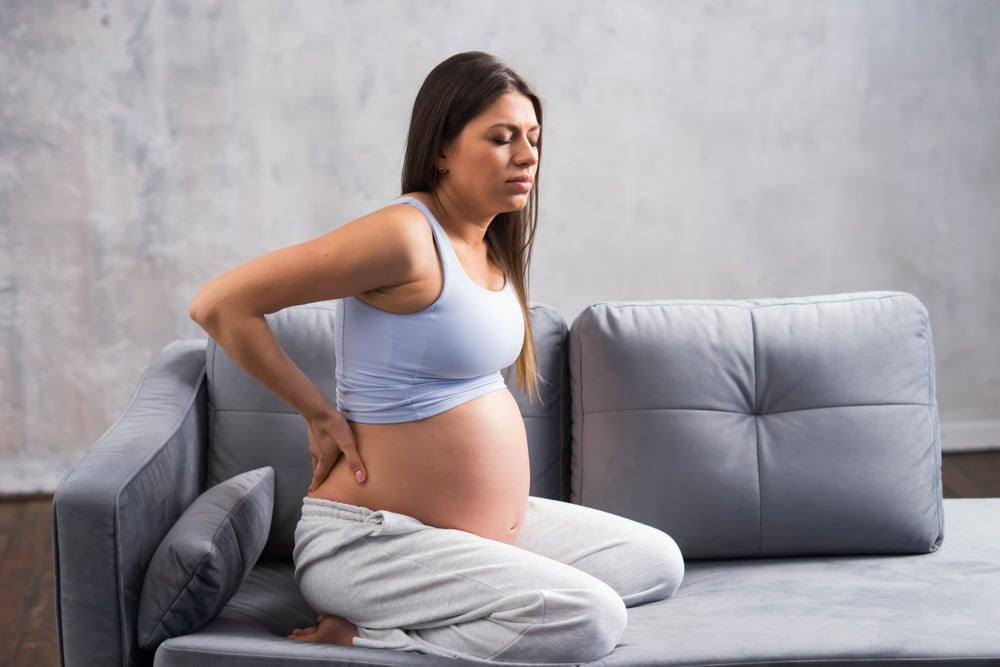
Foot and ankle swelling during pregnancy can make standing, walking, and even wearing your usual footwear uncomfortable. You may notice your shoes feel tighter by the end of the day, or that your ankles appear more swollen after long periods of sitting or standing. While mild swelling is common, it can still affect your comfort and mobility. At Pregnancy-Related Pain Treatment, we focus on identifying the factors contributing to swelling and guiding you through a structured plan to improve circulation, reduce fluid build-up, and help you move more comfortably.
Why Swelling Happens During Pregnancy
Swelling, also known as oedema, occurs when fluid accumulates in the tissues. During pregnancy, your body retains more fluid to support your baby and maintain healthy circulation.
As your uterus grows, it places pressure on the blood vessels that return fluid from your lower body to your heart. This can slow circulation and lead to fluid pooling in the feet and ankles, particularly later in the day.
Hormonal changes also affect how your body regulates fluids, which can contribute to swelling in the lower limbs.
Common Symptoms You May Notice
Swelling can vary in severity and may change throughout the day.
Visible Puffiness
You may notice swelling around your ankles, feet, and sometimes your toes. This is often more noticeable in the evening.
Tightness in the Skin
The skin around your ankles and feet may feel tight or stretched due to fluid accumulation.
Discomfort with Standing or Walking
Swelling can make prolonged standing or walking feel more tiring or uncomfortable.
Changes in Footwear Fit
Your usual shoes may feel tighter, especially later in the day.
Key Contributing Factors
Understanding what contributes to swelling helps guide effective management.
Reduced Circulation
Pressure on blood vessels can slow the return of blood and fluid from the lower limbs.
Fluid Retention
Hormonal changes increase fluid retention, which can accumulate in the lower body.
Prolonged Sitting or Standing
Staying in one position for long periods can reduce circulation and increase fluid build-up.
Increased Body Load
Additional weight places more demand on the lower limbs, contributing to fatigue and swelling.
How It Affects Daily Life
Swelling can affect how comfortable you feel during daily activities. You may find it harder to stay on your feet for extended periods or feel more fatigued when walking.
It can also influence your choice of footwear and limit your ability to maintain your usual routine. Addressing swelling early helps maintain comfort and mobility.
Assessment and Personalised Care
Your care begins with a detailed assessment to understand how your circulation, movement patterns, and daily habits are contributing to swelling. This allows us to create a plan that supports fluid movement and reduces strain on the lower limbs.
Targeted Treatment Approach
Managing foot and ankle swelling focuses on improving circulation, supporting muscle activity, and reducing fluid accumulation.
Circulation-Focused Exercises
You will be guided through simple movements that activate the muscles in your legs and feet, helping to promote blood flow and reduce pooling.
Manual Therapy
Gentle techniques may be used to support lymphatic and circulatory flow, reducing fluid build-up in the tissues.
Positioning Strategies
Adjustments to how you sit, stand, and rest can help improve circulation and reduce pressure on the lower limbs.
Activity Management
Balancing activity and rest helps prevent excessive fluid accumulation while maintaining movement.
Practical Strategies for Daily Relief
Simple daily habits can make a noticeable difference in managing swelling.
Elevate Your Legs
When resting, elevate your feet above heart level where possible. This helps fluid return more efficiently.
Stay Gently Active
Regular walking and movement help activate the muscles that support circulation. Avoid long periods of inactivity.
Avoid Prolonged Standing or Sitting
Change positions regularly to prevent fluid from pooling in the lower limbs.
Wear Supportive Footwear
Comfortable, supportive shoes help maintain alignment and reduce strain on your feet.
Use Compression if Advised
In some cases, compression garments may be recommended to support circulation and reduce swelling.
When to Seek Professional Support
While mild swelling is common, it is important to seek guidance if swelling is severe, sudden, or accompanied by other symptoms such as pain or changes in sensation.
An assessment ensures that your symptoms are properly understood and that appropriate management strategies are in place.
What Progress Looks Like
With the right approach, many women notice reduced swelling, improved comfort, and greater ease in movement. You may find that your legs feel lighter and less fatigued, particularly at the end of the day.
Progress depends on your individual needs and consistency with your plan. The focus remains on steady, measurable improvement.
Conclusion
Foot and ankle swelling during pregnancy is common, but it can be managed effectively with the right support. By improving circulation, adjusting daily habits, and supporting your body with targeted strategies, you can reduce discomfort and maintain mobility.
If swelling is affecting your comfort or daily routine, the next step is to book an assessment. We will guide you through a personalised plan designed to reduce fluid build-up, improve circulation, and help you move with greater ease throughout your pregnancy.
