
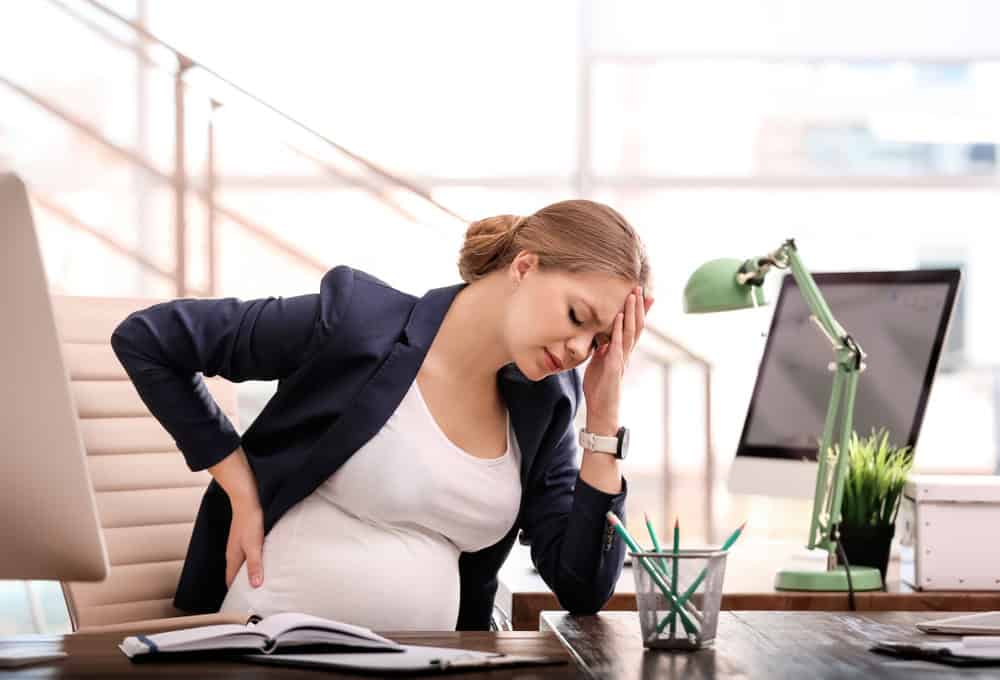
Pain in the vulvar or vaginal entrance area can be distressing, especially when it persists without a clear cause or does not respond to general treatments. Many women are told that tests are normal, yet the discomfort remains. Conditions such as vulvodynia and vestibulodynia require a precise, sensitive, and structured approach to care. As part of a comprehensive Pelvic Pain Syndromes Treatment approach, physiotherapy focuses on reducing pain, restoring tissue tolerance, and helping you return to daily activities and intimacy with confidence.
Understanding Vulvodynia and Vestibulodynia
Vulvodynia refers to persistent pain in the vulvar region lasting more than three months without a clear identifiable cause such as infection or skin condition. Vestibulodynia is a more specific form of vulvodynia, where pain is localised to the vestibule, the area around the vaginal opening.
The pain may be constant or triggered by touch, pressure, or activities such as sitting, exercise, or intimacy. It is important to understand that this pain is real, and it often involves changes in how the nervous system and surrounding muscles respond to stimuli.
Common Symptoms
Symptoms can vary, but there are consistent patterns that help guide diagnosis and treatment.
Burning or Stinging Sensation
Many patients describe a burning, raw, or stinging feeling in the vulvar or vestibular area. This may occur spontaneously or be triggered by contact.
Pain with Touch or Pressure
Pain during intimacy, tampon use, or even light touch is a hallmark of vestibulodynia. The sensitivity is often disproportionate to the level of pressure applied.
Discomfort with Sitting
Prolonged sitting may increase symptoms due to pressure on sensitive tissues and underlying structures.
Persistent Irritation Without Visible Signs
In many cases, the skin appears normal, which can make the condition more confusing. Despite this, the pain is linked to changes in nerve sensitivity and muscle function.
Why These Conditions Develop
Vulvodynia and vestibulodynia are typically multifactorial, meaning several contributing factors may be involved rather than a single cause.
Increased Nerve Sensitivity
The nerves in the vulvar region may become hypersensitive, sending pain signals even in response to normal touch. This can develop after infections, irritation, or without a clear trigger.
Pelvic Floor Muscle Overactivity
The pelvic floor muscles often respond to pain by tightening. Over time, this increased tone can reduce blood flow, limit flexibility, and further increase discomfort.
Previous Inflammation or Infection
Recurrent infections or inflammation may sensitise tissues and nerves, contributing to ongoing pain even after the original issue has resolved.
Hormonal and Skin Factors
Hormonal changes can affect tissue health and sensitivity. In some cases, the skin may become more fragile or reactive, increasing discomfort.
The Role of Physiotherapy
Physiotherapy plays a key role in managing vulvodynia and vestibulodynia by addressing the physical and neurological components of pain. The approach is structured, respectful, and always tailored to your comfort level.
Pain Education and Understanding
Understanding why you are experiencing pain is an important part of recovery. Clear explanation helps reduce fear, improve confidence, and support active participation in treatment.
Pelvic Floor Muscle Relaxation
Reducing muscle overactivity is a primary focus. Techniques are used to help the pelvic floor muscles relax and return to normal function. This improves circulation, reduces pressure, and supports tissue recovery.
Desensitisation Techniques
Gradual exposure to touch is used to reduce sensitivity over time. This process is carefully guided and progresses at a pace that feels safe and manageable.
Manual Therapy
Hands-on techniques may be used to release tension in the pelvic floor and surrounding muscles. This helps improve flexibility and reduce pain associated with trigger points.
Breathing and Nervous System Regulation
Breathing patterns are closely linked to pelvic floor function. Techniques that promote relaxation and reduce nervous system sensitivity are integrated into treatment to support long-term improvement.
Addressing Pain with Intimacy
Pain during intimacy is a common concern and can affect both physical comfort and emotional wellbeing. Treatment focuses on gradually improving tissue tolerance, reducing sensitivity, and restoring confidence.
This is approached step by step, with clear guidance and realistic expectations. The goal is not immediate change, but steady progress that feels controlled and sustainable.
What to Expect from Treatment
Your first session will involve a detailed discussion of your symptoms, triggers, and medical history. This helps build a clear understanding of your condition and ensures your treatment plan is tailored to your needs.
Where appropriate and with your consent, a physical assessment may be performed to evaluate muscle tone, sensitivity, and movement patterns.
Your treatment plan may include:
- Guided relaxation and breathing exercises
- Pelvic floor coordination training
- Desensitisation strategies
- Manual therapy to reduce muscle tension
- Education on daily habits and activity modification
Progress is monitored closely, with adjustments made based on how your body responds.
Recovery and Progress
Recovery timelines vary depending on the duration and severity of symptoms, as well as consistency with treatment. Many patients begin to notice improvements in awareness and symptom control within the first few sessions.
Long-term improvement focuses on reducing pain intensity, improving tolerance to touch and activity, and restoring confidence in movement and intimacy.
Conclusion
Vulvodynia and vestibulodynia can feel isolating, but they are manageable with the right approach. Understanding the role of muscle tension, nerve sensitivity, and tissue response allows treatment to be targeted and effective. With a structured, evidence-based plan and supportive guidance, it is possible to reduce pain, improve comfort, and return to daily life with greater confidence. If these symptoms have been affecting you, the next step is to book an assessment where we can understand your experience in detail and guide you through a personalised path toward recovery.
