
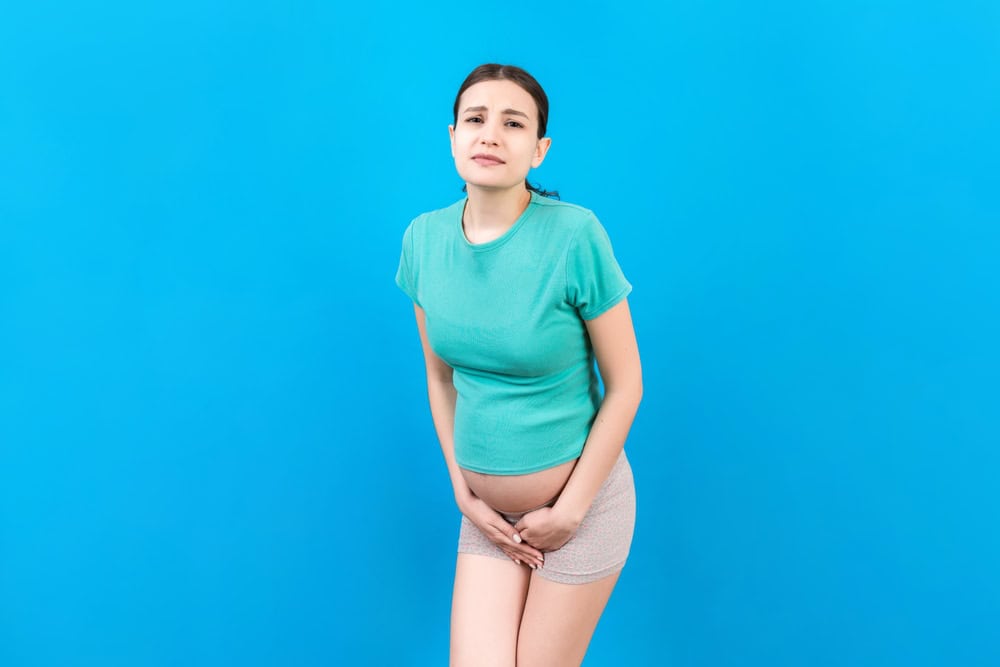
Persistent bladder discomfort, urgency, and pressure without a clear infection can be frustrating and difficult to manage. Many people are treated repeatedly for urinary tract infections only to find that symptoms continue. Bladder Pain Syndrome, also known as Interstitial Cystitis, requires a more detailed and structured approach to care. As part of a comprehensive Pelvic Pain Syndromes Treatment approach, physiotherapy focuses on reducing pain, improving bladder control, and restoring confidence in daily activities through a personalised, evidence-based plan.
What Is Bladder Pain Syndrome?
Bladder Pain Syndrome is a chronic condition characterised by pain, pressure, or discomfort in the bladder and pelvic region, often accompanied by urinary urgency and frequency. Unlike a typical infection, there is no clear bacterial cause, and symptoms may fluctuate over time.
The condition can vary significantly between individuals. Some experience mild discomfort with occasional flare-ups, while others may have persistent symptoms that impact daily routines, sleep, and quality of life.
Common Symptoms
Recognising symptom patterns is an important step toward effective management.
Bladder Pressure and Pain
A constant or intermittent feeling of pressure in the lower abdomen or bladder area is a common feature. This may increase as the bladder fills and ease after emptying.
Urinary Urgency
A frequent and often sudden need to urinate, even when the bladder is not full, can disrupt daily activities and create anxiety around access to bathrooms.
Increased Frequency
Many individuals find themselves needing to urinate more often than usual, including during the night. This can affect sleep quality and overall energy levels.
Pain with Sitting or Activity
Prolonged sitting or certain movements may increase discomfort due to pressure on sensitive tissues and surrounding muscles.
Pelvic and Lower Back Discomfort
Pain may extend beyond the bladder to the pelvic floor, hips, or lower back, reflecting the interconnected nature of the region.
Why Symptoms Persist
Bladder Pain Syndrome is not caused by a single factor. Instead, it often involves a combination of physical and neurological changes.
Bladder Sensitivity
The lining of the bladder may become more sensitive, reacting to normal levels of filling or certain foods and drinks. This can trigger discomfort even without infection.
Pelvic Floor Muscle Overactivity
The pelvic floor muscles often tighten in response to bladder discomfort. Over time, this tension can increase pressure on the bladder and contribute to ongoing symptoms.
Nervous System Sensitisation
Chronic pain can increase the sensitivity of the nervous system, making the bladder and surrounding tissues more reactive. This can lead to symptoms that persist even when the initial trigger is no longer present.
Behavioural Patterns
Frequent urination or avoidance of bladder filling can alter normal bladder function. While this may feel protective, it can contribute to reduced bladder capacity and increased urgency over time.
The Role of Physiotherapy
Physiotherapy is a key part of managing Bladder Pain Syndrome, particularly when pelvic floor dysfunction and movement patterns contribute to symptoms. The focus is on reducing sensitivity, improving muscle function, and restoring normal bladder habits.
Pain Education and Understanding
Clear explanation of your condition helps reduce uncertainty and anxiety. Understanding how the bladder, muscles, and nervous system interact allows you to take an active role in your recovery.
Pelvic Floor Muscle Relaxation
Reducing tension in the pelvic floor muscles is often essential. Techniques are used to improve the ability of these muscles to relax and coordinate properly, reducing pressure on the bladder.
Bladder Retraining
Bladder retraining involves gradually increasing the time between urination to improve bladder capacity and reduce urgency. This is done in a controlled and progressive way to avoid increasing symptoms.
Manual Therapy
Hands-on techniques can help release muscle tightness, improve tissue mobility, and reduce discomfort in the pelvic region.
Breathing and Nervous System Regulation
Breathing techniques are used to support relaxation and reduce overall sensitivity. This helps calm the nervous system and improve symptom control.
Identifying and Managing Triggers
Understanding what triggers your symptoms allows you to make practical adjustments that support recovery.
Dietary Factors
Certain foods and drinks, such as caffeine, acidic foods, or artificial sweeteners, may increase bladder irritation in some individuals. Identifying personal triggers can help reduce flare-ups.
Fluid Intake Patterns
Both excessive and insufficient fluid intake can affect bladder function. Finding a balanced approach supports healthy bladder behaviour.
Stress and Lifestyle Factors
Stress can increase muscle tension and nervous system sensitivity, contributing to symptom flare-ups. Managing stress through practical strategies supports overall improvement.
Managing Flare-Ups
Flare-ups are a common part of Bladder Pain Syndrome and can be managed effectively with the right strategies.
Reducing Irritation
Temporarily avoiding known triggers and adjusting activity levels can help reduce symptoms during a flare-up.
Relaxation Techniques
Breathing and gentle relaxation exercises can reduce muscle tension and ease discomfort.
Maintaining Gentle Movement
Light movement helps prevent stiffness and supports circulation without increasing symptoms.
What to Expect from Treatment
Your assessment will include a detailed review of your symptoms, bladder habits, lifestyle factors, and movement patterns. This allows us to identify the key contributors to your condition.
Your treatment plan may include:
- Pelvic floor relaxation and coordination exercises
- Bladder retraining strategies
- Manual therapy to reduce muscle tension
- Education on fluid intake and lifestyle adjustments
- Techniques to reduce nervous system sensitivity
Progress is tracked over time, focusing on measurable improvements in symptoms and daily function.
Conclusion
Bladder Pain Syndrome can be challenging, but it is manageable with a clear, structured approach that addresses both physical and neurological factors. Physiotherapy helps reduce muscle tension, improve bladder control, and support long-term symptom management. With the right guidance and a personalised plan, it is possible to reduce urgency, ease discomfort, and regain confidence in your daily life. If bladder pain has been affecting your routine, the next step is to book an assessment where we can understand your symptoms in detail and guide you through a targeted path toward recovery and improved function.
