
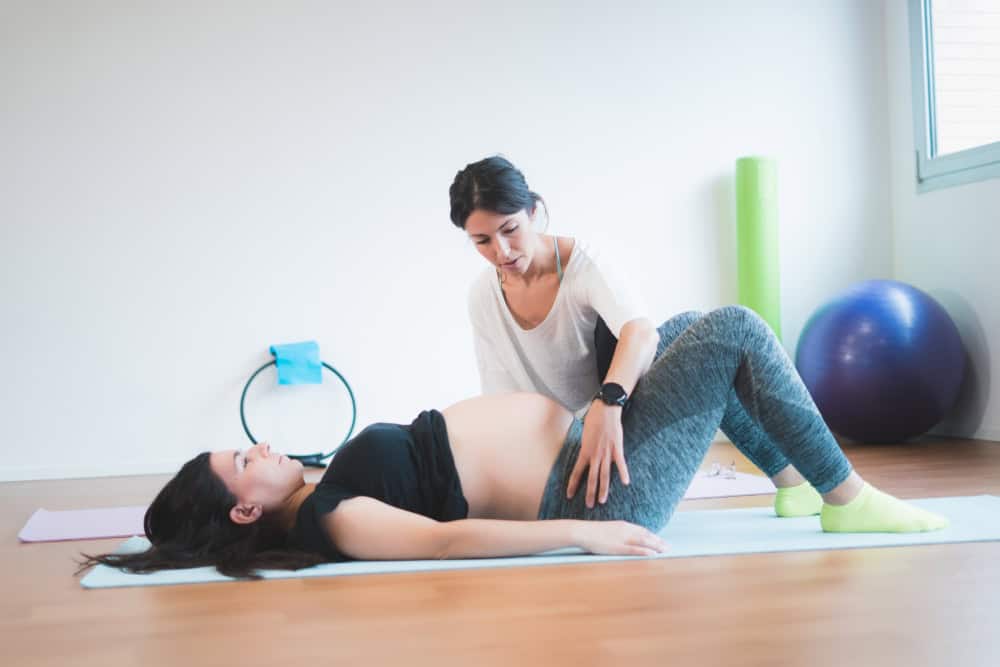
Regaining control, comfort, and confidence after gynecological surgery often depends on how well the pelvic floor recovers. You may notice changes such as weakness, pressure, discomfort, or difficulty with bladder control. These are common and manageable with the right approach. As part of Post-Gynecological Surgery Rehabilitation, pelvic floor recovery is guided step by step to restore function and support your return to daily life.
What Happens to the Pelvic Floor After Surgery
The pelvic floor is a group of muscles that support the bladder, uterus, and bowel. It also plays a key role in continence, stability, and pressure management.
During gynecological surgery, these muscles may be directly affected or become disrupted due to changes in surrounding tissues. Pain, swelling, and protective movement patterns can further reduce how effectively the pelvic floor functions.
As a result, you may experience weakness, overactivity, or poor coordination. Each of these requires a slightly different rehabilitation approach.
Common Symptoms After Surgery
Pelvic floor changes can present in different ways depending on the procedure and your body’s response to healing.
You may notice:
- Difficulty controlling bladder or bowel function
- A feeling of heaviness or pressure in the pelvic area
- Pain or discomfort during movement or sitting
- Reduced core stability and balance
- Increased sensitivity or tension in the pelvic region
These symptoms are not uncommon and often improve with structured rehabilitation.
Why Pelvic Floor Recovery Matters
The pelvic floor works closely with the abdominal muscles and diaphragm. Together, they form a system that supports your spine and manages pressure during movement.
If this system is not functioning well, it can affect posture, breathing, and overall movement efficiency. Over time, this may lead to ongoing discomfort or delayed recovery.
Restoring pelvic floor function is essential for both short-term healing and long-term physical performance.
When to Start Pelvic Floor Rehabilitation
Early awareness is helpful, but active rehabilitation should be introduced at the right time. In the immediate post-operative phase, the focus is on gentle connection and relaxation rather than strengthening.
As healing progresses and medical clearance is given, more structured exercises are introduced. Starting too early or too aggressively can increase strain, while delaying rehabilitation can prolong dysfunction.
Guided assessment ensures that your recovery begins at the appropriate stage.
Understanding Pelvic Floor Dysfunction After Surgery
Not all pelvic floor issues are due to weakness. In some cases, the muscles may become overactive or tense.
Weak Pelvic Floor
This can lead to symptoms such as leakage, reduced support, and a feeling of instability. Strengthening and coordination exercises are introduced gradually to rebuild function.
Overactive Pelvic Floor
Some patients experience tightness or difficulty relaxing the muscles. This may cause discomfort, pain, or difficulty with normal function.
In these cases, treatment focuses on relaxation, breathing, and reducing unnecessary tension before strengthening is considered.
Poor Coordination
The pelvic floor may not respond effectively during movement. For example, it may not activate when needed or may engage at the wrong time.
Rehabilitation focuses on retraining timing and control to support efficient movement.
Phase-Based Pelvic Floor Recovery
Recovery follows a structured progression that aligns with your overall healing.
Early Phase
The focus is on awareness and gentle activation. You learn how to connect with your pelvic floor without creating strain.
Techniques include:
- Breathing exercises to support relaxation and coordination
- Light activation in supported positions
- Education on avoiding excessive pressure
This stage builds the foundation for more advanced work.
Mid Phase
As healing progresses, exercises become more targeted. The aim is to improve strength and control during simple movements.
You may work on:
- Controlled contractions with proper breathing
- Integration with core muscle activation
- Maintaining pelvic floor support during daily activities
Progress is gradual and closely monitored.
Advanced Phase
This stage focuses on functional recovery. The pelvic floor is trained to respond effectively during real-life demands.
This may include:
- Strengthening under load
- Dynamic movements such as lifting or exercise
- Return-to-sport or higher-level activity training
The goal is confident, automatic function without conscious effort.
How Breathing Supports Pelvic Floor Recovery
Breathing plays a key role in pelvic floor function. The diaphragm and pelvic floor move together to manage pressure within the body.
After surgery, this coordination can be disrupted. Shallow or protective breathing patterns may increase tension or reduce activation.
We guide you in restoring natural breathing patterns that support both relaxation and strength, improving overall recovery.
Common Mistakes to Avoid
Pelvic floor recovery is often misunderstood. Avoiding common mistakes helps ensure steady progress.
Overtraining Too Early
Performing strong contractions before the tissues are ready can increase pressure and delay healing.
Ignoring Relaxation
Focusing only on strengthening without addressing tension can worsen symptoms in some cases.
Holding Breath During Movement
This increases internal pressure and places unnecessary strain on healing structures.
Lack of Guidance
Generic advice may not address your specific needs. A personalised plan ensures that your recovery is targeted and effective.
What Progress Looks Like
Recovery is gradual and measurable. You may notice improved control, reduced discomfort, and increased confidence in movement.
Daily activities such as walking, lifting, and exercising become easier and more comfortable. Over time, the pelvic floor begins to function automatically without conscious effort.
Consistency is key. Small improvements build towards long-term results.
How Physiotherapy Supports Pelvic Floor Recovery
Our approach begins with a detailed assessment to understand how your pelvic floor is functioning. We identify whether the focus should be on strength, relaxation, or coordination.
Your plan is tailored to your surgery, your symptoms, and your goals. We guide you through each stage with clear instructions and ongoing support.
This includes:
- Education on how your body is healing
- Targeted exercises based on your needs
- Progress tracking to ensure steady improvement
- Adjustments as your recovery evolves
You are supported at every step so you feel confident in your progress.
Your Next Step
If you are experiencing pelvic floor symptoms or feel unsure about your recovery, a structured assessment can provide clarity. Early support helps you avoid long-term issues and return to normal activities with confidence.
Conclusion
Pelvic floor recovery after gynecological surgery is essential for restoring function, stability, and confidence. With the right guidance, you can move beyond symptoms and regain control of your body. At Adam Vital, we take a clear and supportive approach, helping you rebuild strength, improve coordination, and return to your daily life with confidence. Book an assessment to begin your recovery with a plan that is tailored, structured, and focused on results.
