
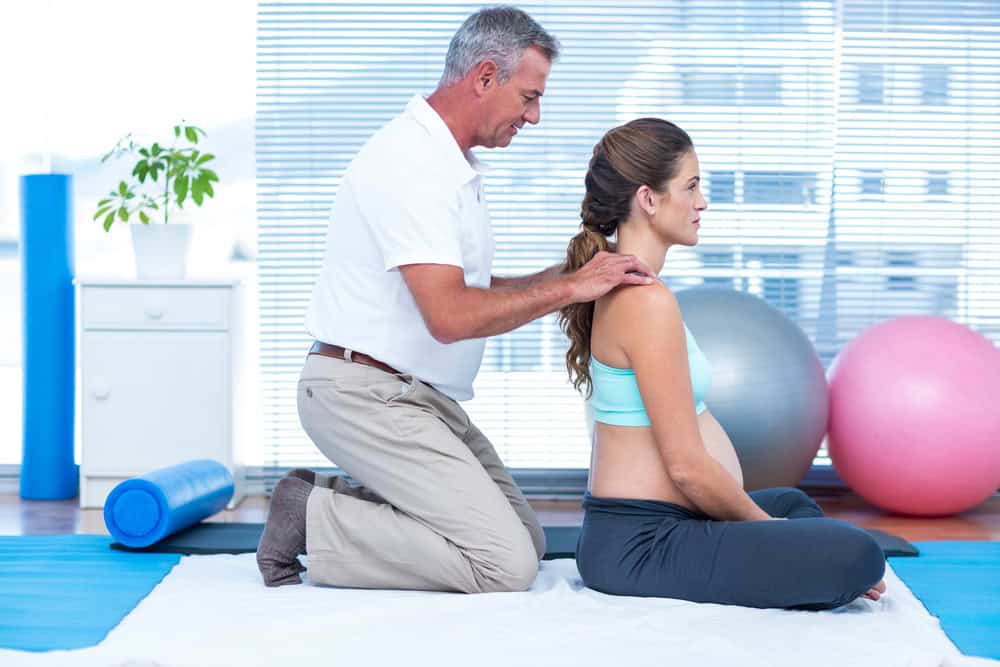
Hands-on treatment can play an important role in your recovery after gynecological surgery, especially when stiffness, discomfort, or restricted movement begins to limit your progress. You may feel tightness around the surgical area, reduced mobility, or a sense that your body is not moving as freely as before. As part of Post-Gynecological Surgery Rehabilitation, manual therapy is used in a precise and controlled way to support healing, restore movement, and reduce discomfort.
What Is Manual Therapy
Manual therapy refers to hands-on techniques applied by a trained physiotherapist to improve how tissues move and function. It is not aggressive or forceful. The approach is measured, targeted, and adapted to your stage of recovery.
After surgery, the body can develop areas of stiffness, tension, or reduced mobility. Manual therapy helps address these restrictions so your movement becomes more efficient and comfortable.
Why Manual Therapy Is Important After Surgery
Following gynecological procedures, tissues go through a healing process that includes inflammation, repair, and remodelling. During this time, scar tissue forms and surrounding structures may become less mobile.
If these restrictions are not addressed, they can affect posture, movement patterns, and overall recovery. You may notice pulling sensations, discomfort during certain movements, or difficulty returning to normal activity.
Manual therapy supports the body by improving tissue mobility, reducing tension, and creating the conditions for more effective rehabilitation.
When Manual Therapy Is Introduced
Timing is essential. Manual therapy is introduced based on how your body is healing and what your current symptoms are.
In the early stages, techniques are gentle and focused on comfort and circulation. As healing progresses, treatment becomes more targeted to address deeper restrictions and support functional recovery.
Each session is adapted to your condition, ensuring that treatment supports healing rather than placing stress on the surgical area.
Types of Manual Therapy Used in Post-Op Recovery
Different techniques are used depending on your needs and stage of recovery. These are always explained clearly so you understand what is being done and why.
Soft Tissue Mobilisation
This technique focuses on the muscles and surrounding tissues. Gentle pressure and movement help reduce tension, improve circulation, and support tissue flexibility.
It is commonly used to address tightness in the abdominal area, hips, and lower back that may develop after surgery.
Scar Tissue Mobilisation
Once the incision has healed, targeted techniques are used to improve how the scar and surrounding tissues move. This reduces adhesions and helps restore normal movement patterns.
Improved scar mobility can reduce pulling sensations and support better core function.
Joint Mobilisation
Reduced movement after surgery can lead to stiffness in nearby joints such as the hips, pelvis, and lower back. Gentle joint mobilisations help restore normal range of motion and improve overall mobility.
Myofascial Release
The fascia is a connective tissue that surrounds muscles and organs. After surgery, this system can become restricted.
Myofascial techniques help release these restrictions, allowing tissues to move more freely and reducing discomfort during movement.
Pelvic Floor Manual Techniques
In some cases, manual therapy may include techniques to support pelvic floor function. This can help address tension, improve coordination, and reduce discomfort in the pelvic region.
These techniques are always applied with clear explanation, consent, and patient comfort as a priority.
How Manual Therapy Supports Healing
Manual therapy works alongside exercise and education to create a complete rehabilitation approach. It supports healing in several ways.
Improving Tissue Mobility
By reducing restrictions, manual therapy allows tissues to move more naturally. This supports better function during everyday activities.
Reducing Pain and Discomfort
Gentle techniques can help reduce sensitivity and ease discomfort, making it easier to move and engage in rehabilitation exercises.
Enhancing Circulation
Improved blood flow supports tissue healing and recovery, particularly in the early stages.
Supporting Movement Re-Education
When tissues move more freely, it becomes easier to retrain movement patterns and restore strength.
What to Expect During a Session
Your session begins with an assessment to understand your current symptoms, movement limitations, and stage of recovery.
Manual therapy is then applied in a controlled and comfortable way. You may feel gentle pressure, stretching, or movement, but it should not be painful.
We explain each technique so you know what is happening and what the intended outcome is. Your feedback is important, and treatment is adjusted based on how your body responds.
Is Manual Therapy Enough on Its Own
Manual therapy is one part of your recovery. While it helps improve mobility and reduce discomfort, long-term results depend on active rehabilitation.
This includes exercises to restore strength, coordination, and functional movement. The combination of hands-on treatment and targeted exercise provides the most effective outcome.
We guide you through both aspects to ensure your recovery is complete and sustainable.
Common Concerns About Manual Therapy
It is normal to have questions about hands-on treatment after surgery.
Will It Affect My Surgical Site
Techniques are chosen carefully based on your stage of healing. The surgical area is always respected, and treatment is applied safely.
Will It Be Painful
Manual therapy should feel controlled and comfortable. Mild sensitivity may be present, but it should not be sharp or overwhelming.
How Many Sessions Will I Need
This depends on your condition and goals. Some patients benefit from a few sessions, while others require ongoing support as part of their rehabilitation plan.
Signs You May Benefit from Manual Therapy
You may benefit from hands-on treatment if you experience:
- Persistent tightness or stiffness around the surgical area
- Discomfort during movement or daily activities
- Reduced mobility in the hips, pelvis, or lower back
- Pulling sensations or restricted scar movement
- Difficulty progressing with exercise
Early intervention can help address these issues before they become more limiting.
Long-Term Benefits of Manual Therapy
When combined with structured rehabilitation, manual therapy supports long-term outcomes such as:
- Improved movement quality and flexibility
- Reduced risk of chronic pain or stiffness
- Better posture and alignment
- Enhanced performance in daily and physical activities
- Greater confidence in your body
This is not only about recovery but about restoring full function.
Your Next Step
If you feel restricted, uncomfortable, or unsure about your progress, a professional assessment can help identify what is limiting your recovery. Manual therapy may be a key part of your treatment plan.
Conclusion
Manual therapy provides targeted, hands-on support during post-operative recovery, helping to reduce restrictions, improve mobility, and support effective healing. When applied at the right time and combined with guided rehabilitation, it can significantly enhance your recovery experience. At Adam Vital, we use manual therapy with precision and care, ensuring each session is aligned with your needs and your stage of healing. Book an assessment to understand how hands-on treatment can support your return to comfortable, confident movement.
