
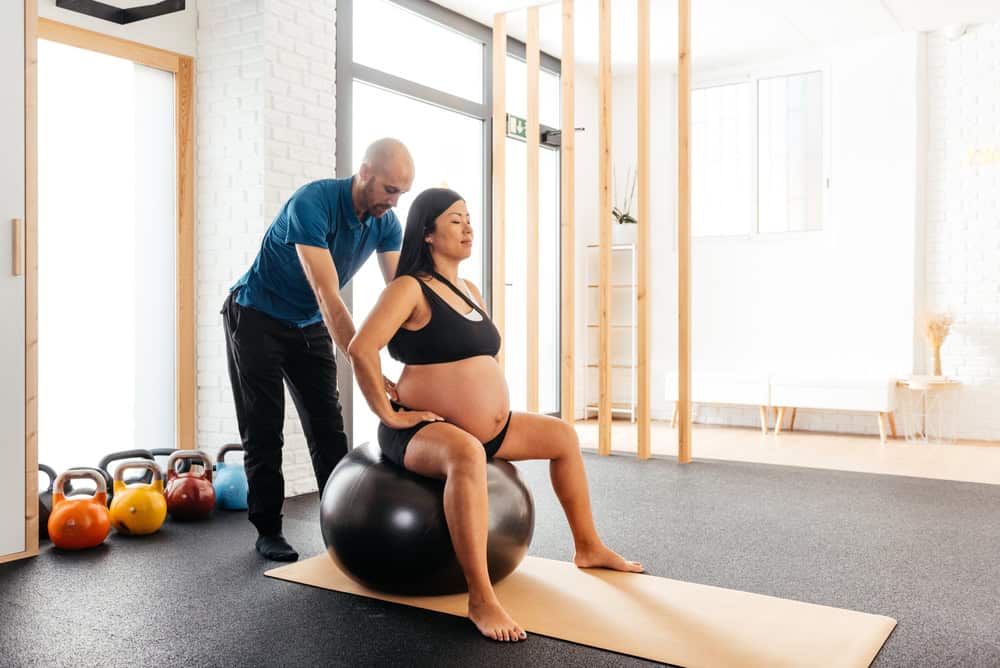
After gynecological surgery, many patients focus on rebuilding strength but overlook one of the most important foundations of recovery, breathing. If your breathing pattern is not working efficiently, your core muscles and pelvic floor cannot function at their best. You may notice tension, poor stability, or discomfort during movement without realising that breathing is contributing to these issues. As part of Post-Gynecological Surgery Rehabilitation, breathing techniques are used to restore core support, reduce pressure, and improve overall movement quality.
Why Breathing Matters for Core Support
Your core is a coordinated system made up of the diaphragm, abdominal muscles, pelvic floor, and deep stabilising muscles of the spine. These structures work together to manage pressure and provide support during movement.
Breathing is central to this system. When you inhale, the diaphragm moves downward and the pelvic floor responds. When you exhale, the system recoils and supports stability.
After surgery, this coordination can be disrupted. Breathing may become shallow or guarded, which reduces the effectiveness of your core.
How Surgery Affects Breathing Patterns
Pain, swelling, and protective movement patterns often lead to changes in how you breathe. You may find yourself taking shorter, more shallow breaths or holding your breath during movement.
This can increase tension in the upper body, reduce oxygen flow, and place unnecessary pressure on the abdomen and pelvic floor.
Over time, these patterns can affect posture, stability, and recovery if not addressed.
Signs Your Breathing May Need Attention
Breathing patterns are often automatic, so changes may not be immediately obvious. However, certain signs can indicate that your breathing is not supporting your recovery effectively.
You may notice:
- Tension in the shoulders or neck when breathing
- Difficulty engaging your core during movement
- Holding your breath when lifting or changing position
- A feeling of pressure in the abdomen or pelvic area
- Fatigue during simple activities
These signs suggest that breathing coordination may need to be retrained.
The Link Between Breathing and Pelvic Floor Function
The diaphragm and pelvic floor work as a coordinated unit. When breathing is efficient, the pelvic floor can respond appropriately during movement.
If breathing is restricted or poorly timed, the pelvic floor may become overactive, weak, or uncoordinated. This can contribute to symptoms such as discomfort, instability, or difficulty with control.
Restoring this coordination is a key part of recovery.
Core Principles of Effective Breathing
Breathing for recovery is not about taking deeper breaths but about improving how the breath is distributed and coordinated with movement.
Diaphragmatic Breathing
This involves allowing the breath to expand through the lower ribs and abdomen rather than lifting the shoulders. It supports relaxation and efficient oxygen exchange.
360-Degree Expansion
Breathing should expand the ribcage in all directions, including the sides and back. This creates balanced pressure and supports core stability.
Controlled Exhalation
A slow, controlled exhale helps activate the deep core muscles and pelvic floor without creating excessive strain.
Breathing Techniques for Core Support
These techniques are introduced gradually and adapted to your stage of recovery.
Supine Breathing Practice
Lying on your back with support allows you to focus on breathing without additional strain. You learn to expand the ribcage and engage the core gently.
Breath with Gentle Core Activation
As you exhale, you are guided to lightly engage the abdominal muscles and pelvic floor. This builds coordination rather than forceful contraction.
Breathing During Movement
Breathing is then integrated into simple movements such as lifting your arms, bending your knees, or transitioning between positions.
This helps your core system respond naturally during activity.
Functional Breathing
As you progress, breathing is applied to everyday tasks such as lifting, walking, and exercise. This ensures that your core supports you during real-life demands.
Managing Pressure During Movement
One of the key roles of breathing is to manage pressure within the abdomen. After surgery, excessive pressure can place strain on healing tissues.
Holding your breath or pushing during movement increases this pressure. Coordinated breathing helps distribute pressure safely and reduces unnecessary stress on the body.
This is particularly important during tasks such as lifting, bending, or returning to exercise.
Common Mistakes to Avoid
Breathing is often misunderstood during recovery. Avoiding these common mistakes can improve your progress.
Forcing Deep Breaths
Breathing should be natural and controlled rather than exaggerated or forced.
Holding Breath During Effort
This increases internal pressure and can strain healing tissues.
Over-Tensing the Core
Excessive contraction can reduce mobility and increase discomfort. The goal is coordination, not rigidity.
Ignoring Breathing During Exercise
Breathing should be integrated into all movements, not treated as a separate activity.
What Progress Looks Like
With consistent practice, you should notice improved ease of movement, reduced tension, and better control of your core.
Breathing becomes more natural, and your body responds more efficiently during activity. You may also notice reduced fatigue and improved comfort.
These changes support both recovery and long-term performance.
How Physiotherapy Supports Breathing Recovery
Our approach begins with assessing your current breathing pattern and how it relates to your movement and symptoms.
We guide you through simple, clear techniques that you can apply during exercises and daily activities. Progression is gradual and tailored to your needs.
This ensures that breathing becomes an integrated part of your recovery rather than an isolated exercise.
Your Next Step
If you feel tension, instability, or difficulty engaging your core, breathing may be a key factor. A structured assessment can help identify how to improve your coordination and support your recovery.
Conclusion
Breathing techniques are a fundamental part of core support after gynecological surgery. By restoring coordination between the diaphragm, abdominal muscles, and pelvic floor, you can improve stability, reduce strain, and support effective healing. At Adam Vital, we guide you through this process with clarity and precision, helping you move with greater ease and confidence. Book an assessment to begin your recovery with a plan that integrates breathing, movement, and strength for long-term results.
