
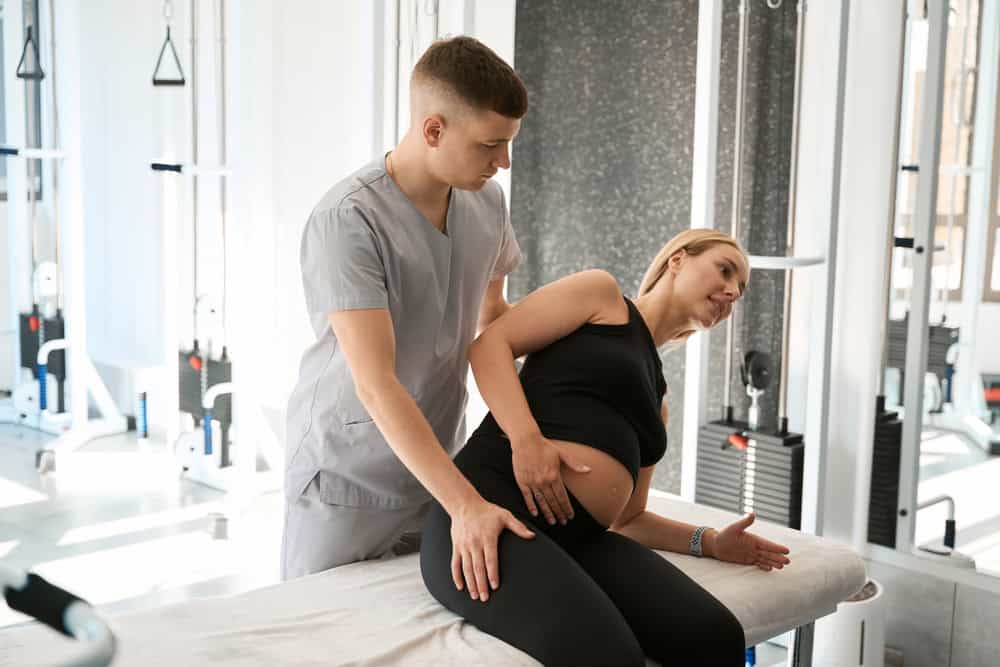
Recovery after gynecological surgery does not end when pain reduces or basic movement returns. The longer-term goal is to restore how your body functions in daily life, work, and physical activity without limitation or uncertainty. Many patients reach a point where they feel better but not fully confident in their strength, stability, or endurance. This is where long-term functional recovery becomes essential. As part of Post-Gynecological Surgery Rehabilitation, we guide you beyond initial healing towards lasting strength, resilience, and performance.
What Long-Term Functional Recovery Means
Functional recovery focuses on how your body performs in real-life situations. It goes beyond isolated exercises and addresses how you move, lift, carry, and manage physical demands throughout your day.
This includes returning to:
- Work tasks with confidence and efficiency
- Exercise and sport without discomfort or hesitation
- Daily activities such as lifting, bending, and prolonged standing
- Active lifestyles that require strength, coordination, and endurance
The aim is not only to feel better but to function better.
Why Long-Term Goals Are Important
Stopping rehabilitation too early can leave underlying weaknesses or movement limitations unaddressed. While symptoms may improve, the body may not yet be fully prepared for higher levels of activity.
This can increase the risk of recurrence, ongoing discomfort, or new issues developing over time.
Setting long-term goals ensures that recovery is complete and sustainable.
Key Areas of Functional Recovery
Long-term recovery involves multiple aspects of physical function working together.
Strength and Stability
Rebuilding strength in the core, pelvic floor, and surrounding muscles provides a foundation for all movement. Stability ensures that your body can handle load without strain.
Mobility and Flexibility
Restoring full range of motion allows you to move freely and efficiently. This reduces compensations and improves overall performance.
Endurance and Capacity
Your ability to sustain activity over time is essential for both daily tasks and exercise. Endurance is built gradually to match your lifestyle demands.
Movement Quality
How you move is as important as how much you can do. Efficient movement patterns reduce unnecessary stress on the body.
Confidence and Control
Confidence in your body is a key outcome of recovery. Feeling stable and capable allows you to return to activities without hesitation.
Setting Realistic Long-Term Goals
Goals should be specific, measurable, and relevant to your lifestyle. Rather than focusing only on general improvement, we define clear outcomes.
Examples may include:
- Returning to a specific exercise routine
- Completing a full workday without fatigue or discomfort
- Lifting and carrying without hesitation
- Improving endurance for daily or recreational activities
These goals guide your rehabilitation and provide a clear direction for progress.
The Transition from Recovery to Performance
As your body heals, rehabilitation shifts from basic recovery to performance-focused training. This transition is gradual and structured.
Exercises become more dynamic and functional, preparing you for real-life demands. This may include lifting patterns, balance challenges, and higher-level coordination tasks.
The focus is on building resilience so your body can handle future demands with confidence.
Addressing Residual Limitations
Even after initial recovery, some patients experience lingering limitations such as mild weakness, reduced flexibility, or occasional discomfort.
These should not be ignored. Addressing them early helps prevent long-term issues and supports full recovery.
We assess these areas and integrate targeted strategies into your program.
The Role of Consistency in Long-Term Recovery
Long-term results are built through consistent effort. Regular exercise, appropriate progression, and ongoing awareness of movement patterns all contribute to lasting outcomes.
Consistency does not mean high intensity. It means maintaining a structured approach over time.
Small, regular improvements lead to significant long-term benefits.
Preventing Future Issues
Functional recovery is not only about returning to your previous level but also about reducing the risk of future problems.
This includes:
- Maintaining strength and stability
- Using efficient movement techniques
- Managing load and activity levels appropriately
- Recognising early signs of strain or fatigue
These strategies support long-term health and performance.
Integrating Recovery Into Your Lifestyle
Your rehabilitation should fit into your daily life. Exercises and strategies are designed to be practical and relevant to your routine.
This ensures that the benefits of rehabilitation extend beyond the treatment sessions and become part of how you move and function every day.
The goal is sustainable, long-term improvement.
Common Challenges in Long-Term Recovery
It is normal to face challenges as you work towards long-term goals.
Loss of Motivation
As symptoms improve, it can be tempting to reduce effort. Maintaining focus on long-term outcomes helps sustain progress.
Returning to Old Habits
Previous movement patterns may reappear. Ongoing awareness helps maintain improvements.
Plateaus in Progress
Progress may slow at times. Adjusting your program helps you continue moving forward.
How Physiotherapy Supports Long-Term Outcomes
Our approach extends beyond short-term recovery. We work with you to define your goals and create a plan that supports long-term success.
This includes:
- Progressive exercise programs tailored to your needs
- Guidance on integrating movement into daily life
- Ongoing assessment and adjustment of your plan
- Support in returning to higher-level activities
We provide clear direction so you can continue progressing with confidence.
What Success Looks Like
Successful long-term recovery means more than the absence of pain. It means moving freely, performing daily tasks with ease, and feeling confident in your body.
You are able to return to your routine, exercise, and activities without hesitation or limitation.
This level of recovery reflects a complete and well-structured process.
Your Next Step
If you feel that your recovery has plateaued or you are unsure how to progress towards your long-term goals, a structured assessment can provide clarity and direction.
Conclusion
Long-term functional recovery is the final and essential stage of healing after gynecological surgery. By focusing on strength, mobility, endurance, and confidence, you can return to your daily life and activities with full capability. At Adam Vital, we guide you through this process with precision and support, ensuring your recovery is complete, sustainable, and aligned with your goals. Book an assessment to take the next step towards long-term strength, function, and confidence.
