
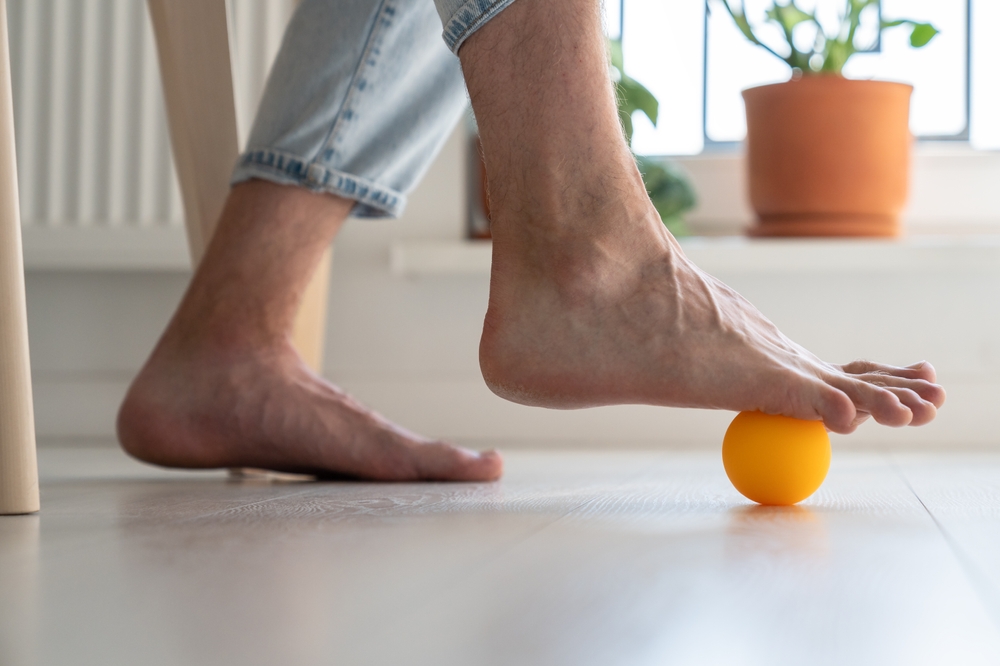
If your feet fatigue quickly, your arches ache after long hours, or you struggle with balance on one leg, weak intrinsic foot muscles may be contributing to the problem. These small but powerful muscles form the foundation of foot stability and play a critical role in shock absorption, arch support, and movement control. At Adam Vital, our approach to Ankle & Foot Pain Physiotherapy includes targeted strengthening of the intrinsic foot muscles to restore stability, reduce strain, and improve overall lower limb performance. Strengthening these muscles is not about isolated exercises alone. It is about building a resilient base that supports every step you take.
What Are the Intrinsic Foot Muscles
The intrinsic foot muscles are small muscles located entirely within the foot. They work together to stabilise the arch, control toe movement, and assist with balance during standing and walking. Unlike the larger extrinsic muscles that originate in the lower leg, intrinsic muscles provide fine control and local support.
Why They Matter
When these muscles are weak or underactive, the arch may collapse excessively under load. This can increase strain on structures such as the plantar fascia, Achilles tendon, and even the knee. Strong intrinsic muscles help distribute force more efficiently and improve foot mechanics during both daily activities and sport.
Signs of Intrinsic Muscle Weakness
You may notice early fatigue in your feet, reduced balance when standing on one leg, frequent ankle sprains, or persistent arch discomfort. Runners and athletes may experience recurrent overuse injuries linked to poor foot control. Busy professionals who spend long hours standing may also develop aching or instability by the end of the day.
Assessment and Baseline Testing
A structured assessment evaluates arch control, toe strength, balance, and walking mechanics. We observe how your foot behaves during weight bearing tasks and identify compensatory patterns. This ensures strengthening is directed at the muscles that require activation rather than applying generic exercises.
Key Principles of Strengthening
Effective intrinsic muscle training follows a progressive pathway. The goal is controlled activation first, followed by endurance and functional integration.
1. Short Foot Activation
The short foot exercise is a foundational movement that gently lifts the arch without curling the toes. It retrains the foot to create active support. This exercise is performed in sitting initially, then progressed to standing as control improves.
2. Toe Control Drills
Isolated toe movements such as toe spreading or lifting individual toes enhance neuromuscular coordination. These drills improve fine motor control and strengthen the stabilising muscles of the forefoot.
3. Weight Bearing Integration
Once activation is consistent, exercises progress to standing balance tasks. Single leg stance, controlled squats, and step movements integrate intrinsic muscle engagement into functional patterns.
4. Dynamic Strength Progression
For active individuals, rehabilitation advances to hopping drills, directional changes, and sport specific tasks. This stage ensures the foot can maintain arch integrity under higher loads.
Supporting Muscles and Mobility
Intrinsic strengthening works best when combined with calf strengthening and ankle mobility exercises. Limited ankle dorsiflexion can increase compensatory pronation, placing additional strain on the arch. Addressing the entire kinetic chain ensures balanced load distribution.
What to Expect During Training
Early exercises may feel subtle, but consistency is essential. You may notice improved balance within a few weeks. Mild muscle fatigue is normal, but pain should not increase significantly. Progress is measured through improved arch control, enhanced single leg stability, and reduced symptom frequency.
Benefits Beyond Pain Relief
Strong intrinsic foot muscles contribute to better posture, improved running efficiency, and reduced risk of recurrent ankle sprains. They form the base of the lower limb kinetic chain, influencing knee and hip alignment during movement.
Preventing Future Injury
Maintaining foot strength reduces overload on passive structures such as ligaments and fascia. Integrating these exercises into your regular conditioning routine supports long term resilience, particularly if you are active or stand for extended periods.
When to Seek Professional Guidance
If foot pain persists, if balance feels unstable, or if recurrent injuries limit your activity, professional assessment ensures strengthening is targeted and progressive. Generic programs may miss key biomechanical factors that require correction.
Your feet are the foundation of movement. Strengthening the intrinsic foot muscles builds stability from the ground up, improving control, reducing strain, and enhancing performance. Book your assessment at Adam Vital Physiotherapy & Rehabilitation Center and take a structured step toward stronger arches, better balance, and confident movement in daily life and sport.
