
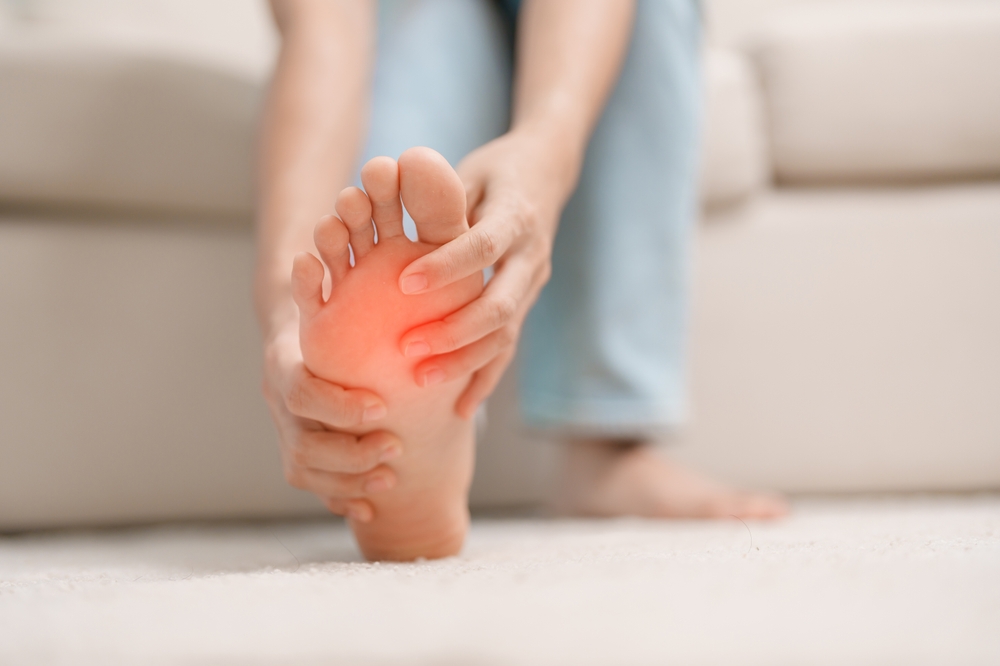
If foot pain returns despite rest, new footwear, or home exercises, the underlying issue may lie in how you move. The way your foot interacts with the ground during walking or running influences load distribution through the ankle, knee, and hip. Subtle biomechanical patterns can create repeated strain over time. At Adam Vital, our approach to Ankle & Foot Pain Physiotherapy often includes detailed gait analysis to identify movement inefficiencies and correct them with precision. Gait analysis for foot pain is not about labelling your stride. It is about understanding how your body absorbs and transfers force so treatment targets the true driver of symptoms.
What Is Gait Analysis
Gait analysis is a structured assessment of how you walk or run. It evaluates foot placement, ankle motion, stride length, cadence, balance, and joint alignment. By observing movement in real time, we identify compensations or asymmetries that may contribute to pain.
Why It Matters
Your feet absorb forces several times your body weight with each step. If load is not distributed efficiently, certain tissues may become overloaded. Over time, this can lead to conditions such as plantar fasciitis, Achilles tendinopathy, shin splints, or recurrent ankle sprains.
Common Gait Patterns Linked to Foot Pain
Excessive Pronation
While some inward rolling of the foot is normal, excessive or poorly controlled pronation can increase strain on the arch and Achilles tendon. This may contribute to heel pain or medial ankle discomfort.
Limited Ankle Dorsiflexion
If the ankle cannot move adequately over the foot during stance, compensations may occur at the midfoot or knee. This often leads to increased stress through the plantar fascia or forefoot.
Early Heel Rise
Lifting the heel too soon during walking or running may indicate calf tightness or weakness. This pattern can overload the forefoot and Achilles tendon.
Asymmetrical Loading
Shifting weight unevenly between sides may develop after previous injury. Over time, this imbalance increases strain on the stronger side and delays full recovery.
What Happens During a Gait Assessment
Your assessment begins with a clinical history and physical examination. We evaluate joint mobility, muscle strength, balance, and foot posture before observing walking or running mechanics.
Video and Movement Observation
Where appropriate, video analysis allows slow motion review of foot strike, arch behaviour, knee alignment, and stride symmetry. This provides objective insight into patterns that may not be visible at normal speed.
Functional Testing
Single leg balance, squat patterns, and step down tests complement gait findings. These tasks reveal neuromuscular control and stability that influence walking efficiency.
How Gait Analysis Guides Treatment
The purpose of gait analysis is not simply to observe movement but to inform a targeted rehabilitation plan.
Strength and Control Correction
If weakness contributes to excessive pronation or instability, strengthening programs focus on intrinsic foot muscles, calf strength, and hip stabilisers. Improved proximal control often enhances foot alignment.
Mobility Restoration
Restricted ankle or midfoot mobility is addressed with targeted exercises and, where indicated, manual therapy. Restoring range improves shock absorption and reduces compensatory stress.
Running Retraining
For runners, subtle adjustments in cadence, stride length, or foot strike pattern may reduce load on irritated structures. Changes are introduced gradually to avoid new overload.
Footwear Guidance
Advice on shoe selection is based on your movement profile and activity demands. Footwear supports rehabilitation but does not replace strengthening and control work.
Measuring Progress
Improvement is tracked through reduced pain levels, improved stride symmetry, enhanced balance, and greater tolerance to walking or running distance. Measurable outcomes ensure rehabilitation remains aligned with your goals.
Who Benefits from Gait Analysis
Runners, athletes, professionals who stand for prolonged periods, and individuals with recurrent foot pain benefit from structured gait assessment. Even subtle mechanical inefficiencies can accumulate strain over time.
When to Seek Professional Assessment
If foot pain persists, if injuries recur despite rest, or if you feel unstable during walking or sport, a detailed gait evaluation can identify the contributing pattern. Early correction reduces the likelihood of chronic strain.
Your movement tells a story. Gait analysis helps uncover the mechanical factors behind foot pain so treatment is precise, effective, and results driven. With tailored rehabilitation and clear progression, you can restore efficient movement and return to activity with confidence. Book your assessment at Adam Vital Physiotherapy & Rehabilitation Center and take the next step toward balanced, pain free performance.
