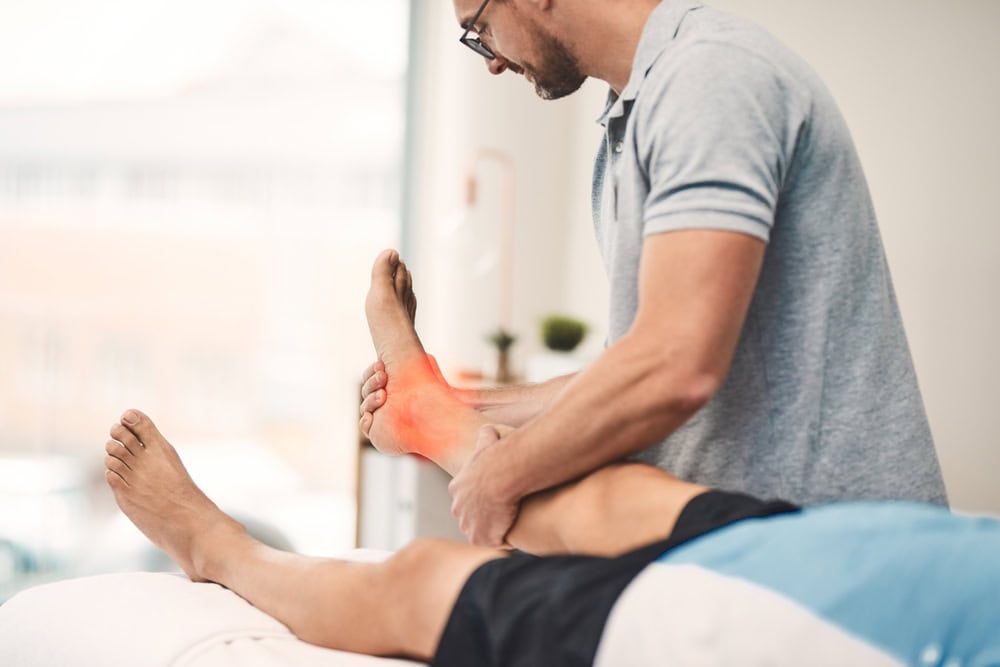
If you experience recurring foot pain, arch strain, or fatigue during walking and standing, your foot mechanics may be contributing to the problem. The way your foot absorbs and transfers force influences the ankle, knee, and hip. In some cases, structured orthotic support can help redistribute load and reduce irritation while underlying strength and control are rebuilt. At Adam Vital, our approach to Ankle & Foot Pain Physiotherapy evaluates whether orthotic support is appropriate based on your movement profile, symptoms, and long term goals. Orthotics are not a shortcut. They are one component of a comprehensive plan designed to restore efficient mechanics and measurable progress.
Understanding Foot Mechanics
Your foot is designed to be both stable and adaptable. During walking, it must absorb impact at heel strike, transition smoothly through mid stance, and become firm during push off. Efficient mechanics require coordinated muscle activation, adequate joint mobility, and balanced load distribution.
When Mechanics Become Problematic
Excessive pronation, high rigid arches, reduced ankle mobility, or muscle weakness can alter how forces are managed. Over time, this may contribute to conditions such as plantar fasciitis, Achilles tendinopathy, shin splints, or knee discomfort. The goal is not to label your foot type but to identify whether mechanical inefficiency is driving symptoms.
What Is Orthotic Support
Orthotics are devices placed inside footwear to influence foot alignment and pressure distribution. They may be prefabricated or custom designed, depending on individual needs. Their purpose is to modify load temporarily or strategically while rehabilitation addresses underlying factors.
How Orthotics Work
Orthotics can reduce excessive motion, provide arch support, or redistribute pressure away from irritated tissues. For example, in plantar heel pain, orthotic support may reduce strain on the plantar fascia during early recovery stages.
When Orthotics May Be Helpful
Not every foot condition requires orthotics. They are most beneficial when specific mechanical patterns consistently overload tissue.
Recurrent Overuse Injuries
If strengthening alone has not resolved symptoms, orthotics may reduce repetitive strain while muscle capacity improves.
Structural Alignment Challenges
Significant flat foot posture or rigid high arches may benefit from supportive devices to optimise load distribution.
Return to Sport
Active individuals may use orthotics temporarily during graded return to running or high impact activity to reduce stress on healing tissues.
Assessment Before Prescription
A detailed assessment evaluates foot posture, gait mechanics, strength, and mobility. We consider your daily activity demands, footwear habits, and symptom history. Orthotics are recommended only when clinical findings support their use.
Orthotics and Rehabilitation
Orthotic support should complement, not replace, strengthening and mobility work.
Building Active Control
Strengthening intrinsic foot muscles, calf muscles, and hip stabilisers improves dynamic control. As strength improves, reliance on orthotics may reduce in certain cases.
Monitoring Adaptation
Gradual introduction is important. Wearing orthotics for short periods initially allows your body to adapt. Any increase in discomfort is reviewed and adjustments made where needed.
Footwear Considerations
Orthotics function best within appropriate footwear. Shoes should provide adequate depth and stability to accommodate the device comfortably. Clear guidance ensures compatibility with your lifestyle and activity level.
Measuring Outcomes
Improvement is assessed through reduced pain, enhanced walking tolerance, improved balance, and increased activity capacity. The focus remains on restoring performance and confidence, not long term dependency on devices.
When to Seek Professional Advice
If foot pain persists despite exercise, if you experience repeated injuries, or if standing and walking remain uncomfortable, professional evaluation can determine whether orthotic support is appropriate for you.
Orthotic support, when prescribed thoughtfully, can assist in restoring balanced foot mechanics and reducing strain during recovery. Combined with targeted strengthening and mobility work, it supports measurable progress and long term function. Book your assessment at Adam Vital Physiotherapy & Rehabilitation Center and take a structured step toward improved alignment, reduced pain, and confident movement in daily life and sport.
