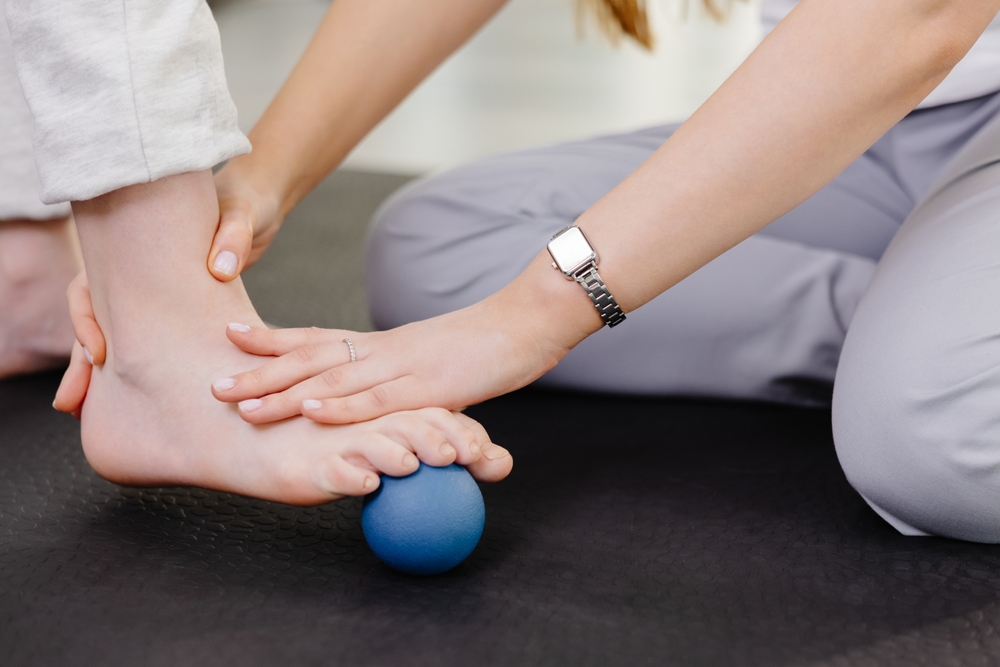
The shoes you wear every day can influence how your foot loads, absorbs shock, and recovers from injury. While footwear alone does not correct underlying weakness or biomechanical inefficiency, the right guidance during rehabilitation can reduce strain and support healing tissues. At Adam Vital, our approach to Ankle & Foot Pain Physiotherapy includes practical footwear guidance aligned with your diagnosis, movement profile, and activity demands. The goal is not brand promotion. It is clear, evidence-based advice that complements your rehabilitation plan.
Why Footwear Matters During Rehab
During walking and running, footwear acts as the interface between your body and the ground. Poorly matched shoes may increase load on irritated tissues, while appropriate support can reduce excessive stress during recovery. However, shoes should support rehabilitation, not replace strengthening and mobility work.
Reducing Excessive Strain
In early stages of conditions such as plantar heel pain or Achilles irritation, appropriate cushioning and arch support may reduce repetitive overload. This creates a safer environment while tissue capacity is rebuilt.
Key Features to Consider
Footwear selection depends on your specific presentation and lifestyle.
Fit and Toe Box Width
A properly fitted shoe should allow natural toe splay without compression. Narrow toe boxes may aggravate forefoot pain or nerve irritation.
Midsole Cushioning
Adequate cushioning helps absorb impact during walking or running. For individuals returning from stress injuries, shock attenuation can be beneficial in early progression.
Heel Counter Stability
A firm heel counter improves rearfoot control and may assist individuals with excessive pronation or instability.
Flexibility Profile
The shoe should bend at the forefoot, not in the midfoot. This supports natural gait mechanics during push off.
Condition Specific Guidance
Plantar Fasciitis
Supportive footwear with appropriate arch structure and moderate cushioning may reduce heel strain during early rehabilitation.
Achilles Tendinopathy
A slightly elevated heel drop can reduce tendon load temporarily while progressive strengthening is underway.
Hallux Dysfunction
Stiff forefoot soles or rocker style shoes may reduce stress at the big toe joint during walking.
Chronic Ankle Instability
Shoes with adequate lateral stability can provide additional control during return to activity.
Transitioning Between Shoe Types
Sudden changes in footwear can alter load distribution. Transitioning gradually allows tissues to adapt. This is particularly important when moving toward lighter or more minimal shoes.
Orthotics and Footwear
If orthotic support is recommended, footwear must accommodate the device comfortably. Proper depth and structure ensure effective integration without causing new pressure points.
What Footwear Cannot Do
Shoes cannot strengthen intrinsic foot muscles, restore ankle mobility, or correct neuromuscular control deficits. These components are addressed through targeted rehabilitation exercises. Footwear acts as a supportive adjunct, not the primary solution.
Monitoring and Reassessment
We reassess your response to footwear changes alongside strength, mobility, and pain levels. Adjustments are made if discomfort persists or if your activity level evolves.
When to Seek Professional Advice
If foot pain continues despite appropriate exercise, or if certain shoes consistently aggravate symptoms, professional evaluation helps determine whether mechanical adjustments are needed.
Footwear guidance in rehabilitation is practical, personalised, and aligned with your recovery stage. When combined with progressive strengthening and mobility work, appropriate shoe selection supports reduced strain and improved function. Book your assessment at Adam Vital Physiotherapy & Rehabilitation Center and take the next step toward balanced mechanics, sustained recovery, and confident movement.
