Disc-related back pain can feel alarming, especially when imaging reports mention bulges, protrusions, or degeneration. Many people worry that surgery is inevitable or that their spine is fragile. In reality, most disc-related pain responds well to structured, non-surgical care when the approach is precise and progressive. Understanding how discs behave under load and how pain is influenced by movement is central to effective recovery, and this is where Back Pain Physiotherapy focuses on restoring function, reducing sensitivity, and building long-term confidence without rushing to invasive options.
Understanding disc-related pain
Spinal discs act as shock absorbers between the vertebrae, allowing movement while distributing load. Disc-related pain typically arises when a disc becomes irritated or sensitised rather than structurally damaged beyond repair.
Pain may be felt centrally in the lower back or radiate into the buttock or leg. Symptoms often change with posture, bending, sitting, or sustained positions. Importantly, disc changes seen on scans are common, even in people without pain.
Symptoms depend more on how the disc is loaded and how the surrounding system supports movement than on imaging findings alone.
Why surgery is rarely the first option
Most disc-related pain improves over time with appropriate management. Discs have a capacity to adapt and settle when mechanical stress is reduced and movement is restored gradually.
Surgery is typically considered only when there is severe, progressive neurological compromise or when conservative care has been exhausted without improvement.
Non-surgical management aims to address pain drivers early, reducing the likelihood that symptoms become persistent or disabling.
Reducing disc irritation through movement guidance
In the early stages, the focus is on reducing positions and movements that excessively load the disc. This does not mean rest, but rather guided movement within tolerance.
Simple adjustments to sitting, bending, and transitions can significantly reduce irritation. Understanding how to move without provoking symptoms helps calm the nervous system and build confidence.
Clear education prevents fear-driven avoidance, which often prolongs recovery.
Restoring movement without overloading
Once symptoms begin to settle, gentle movement is essential. Prolonged rest leads to stiffness, reduced circulation, and increased sensitivity.
Movement is reintroduced in a controlled way, prioritising quality and comfort. This phase helps restore disc nutrition and normal spinal mechanics.
Progression is guided by symptom response rather than fixed timelines.
The role of core and spinal support
Disc-related pain is strongly influenced by how well the spine is supported during movement. Reduced control or endurance increases disc stress.
Targeted exercises improve the ability of surrounding muscles to share load, reducing pressure on the disc during daily activities.
The goal is not stiffness, but adaptable support that responds to changing demands.
Managing nerve sensitivity
When disc irritation affects nearby nerves, symptoms may include leg pain, tingling, or altered sensation. Non-surgical care addresses both mechanical and nervous system contributors.
Gradual exposure to movement helps desensitise the nervous system. Techniques focus on restoring normal nerve mobility without provoking symptoms.
This process requires careful pacing and reassurance, especially when pain has been present for some time.
Activity modification without avoidance
Temporary modification of activities reduces flare-ups while recovery progresses. This may involve altering load, duration, or technique rather than stopping activity altogether.
Maintaining engagement in work and daily tasks within tolerance supports physical and psychological recovery.
Avoidance often increases fear and sensitivity, while guided participation builds resilience.
Manual therapy as a supportive tool
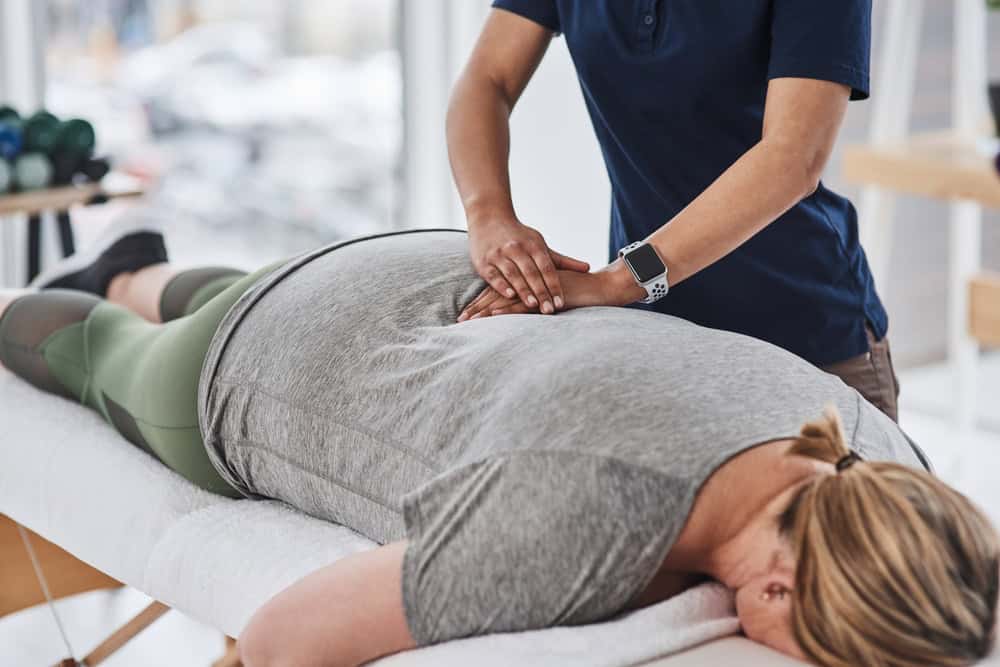
Hands-on techniques may be used to reduce muscle guarding, improve movement, and support comfort. These interventions do not change the disc itself but can improve how the spine moves.
Manual therapy is most effective when combined with active rehabilitation rather than used in isolation.
The aim is to create a window of opportunity for movement and exercise progression.
Realistic recovery timelines
Disc-related pain recovery varies depending on severity, duration, and consistency with care. Many people notice improvement within weeks, though full recovery may take longer.
Fluctuations are normal and do not indicate failure. Understanding this helps maintain confidence and adherence to the plan.
Progress is measured by improved function, reduced pain intensity, and increased activity tolerance.
Preventing recurrence
Long-term management focuses on building capacity rather than protecting the spine indefinitely. This includes strengthening, movement education, and load management.
Learning how to lift, sit, and move efficiently reduces future disc stress. Confidence in movement is a key outcome.
Non-surgical care aims not just to settle symptoms, but to support lasting spinal health.
When further investigation is needed
If symptoms worsen, neurological changes develop, or progress stalls despite appropriate care, further medical review may be required.
This ensures safety and guides next steps without unnecessary delay.
Clear communication and reassessment are part of responsible non-surgical management.
Your next step
If disc-related back pain has been affecting your work, activity, or confidence, non-surgical management offers a structured and effective path forward. A detailed assessment can clarify how your disc is responding to load and which strategies will support recovery. With clear guidance, progressive rehabilitation, and ongoing support, most people can reduce pain, restore function, and return to daily life without surgery. Booking an assessment provides clarity and a plan focused on recovery rather than fear.
