
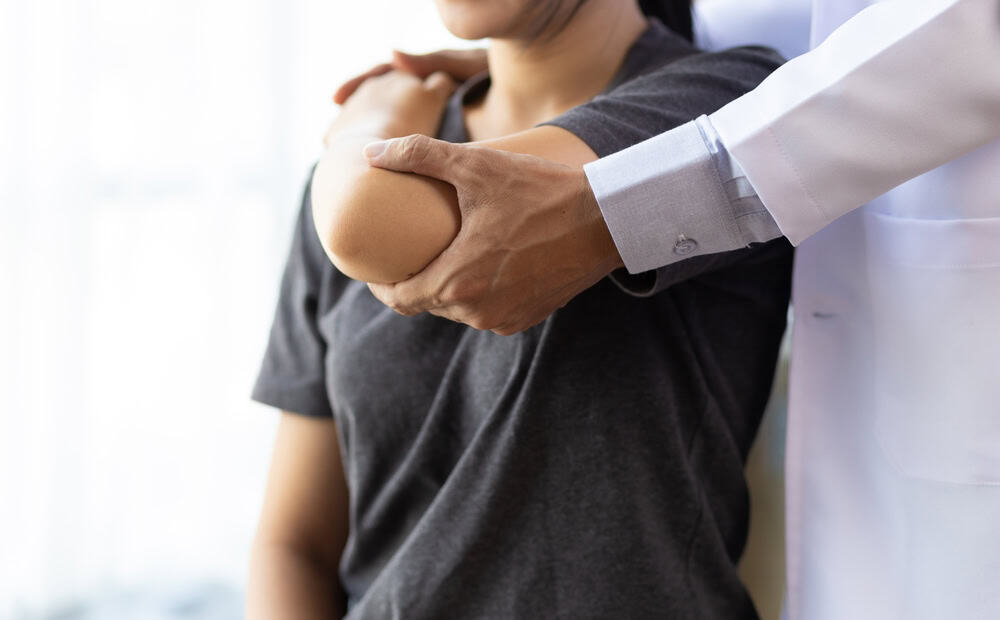
Elbow injuries are common in sport, often developing when repetitive load, technique demands, or sudden increases in training stress exceed the body’s capacity to adapt. Athletes and active individuals frequently explore Elbow Pain Physiotherapy when pain starts affecting performance, confidence, or return to play decisions. At Adam Vital Physiotherapy & Rehabilitation Center, sports-related elbow injuries are managed with a clear focus on restoring function, rebuilding capacity, and supporting a safe return to training and competition.
Why the Elbow Is Vulnerable in Sport
The elbow sits between the shoulder and wrist, acting as a critical force transfer point. During throwing, striking, lifting, and weight-bearing activities, high loads pass repeatedly through the elbow and forearm. When technique, strength, or recovery is insufficient, tissues can become overloaded.
Sports that involve repetitive gripping, high-velocity arm movements, or sustained weight-bearing place particular demands on the elbow. Without appropriate conditioning and load management, even well-trained athletes can develop symptoms.
Common Sports-Related Elbow Injuries
Elbow injuries in sport vary depending on the activity, intensity, and movement patterns involved.
Tendon-Related Injuries
Tendon overload is common in sports requiring repetitive gripping or wrist movement. Athletes may experience pain on the inner or outer elbow, reduced power, and discomfort that worsens after training rather than during it. These injuries often develop gradually and are closely linked to training volume and recovery habits.
Ligament Strain or Instability
Throwing and racquet sports can place high valgus or rotational stress on the elbow. Ligament strain may present as deep joint pain, a feeling of instability, or reduced throwing or striking accuracy. Early recognition is important to prevent progression.
Nerve Irritation
Repetitive elbow movement or sustained positions can irritate nerves passing around the joint. Athletes may notice tingling, numbness, or weakness in the forearm or hand, often alongside pain.
Joint and Cartilage Issues
In some sports, especially those involving impact or weight-bearing through the arms, joint surfaces can become irritated. This may lead to stiffness, catching sensations, or reduced range of motion.
Sports Commonly Associated With Elbow Injuries
Elbow injuries are frequently seen in racquet sports, throwing sports, CrossFit, weightlifting, climbing, gymnastics, and golf. However, any sport involving repetitive arm use or high training loads can stress the elbow.
Importantly, the presence of pain does not always mean training must stop completely. The key is understanding what needs to change.
How We Assess Sports-Related Elbow Pain
Assessment starts with understanding your sport, training schedule, and recent changes in load or technique. We ask about competition demands, recovery routines, and previous injuries.
Physical assessment includes evaluating elbow movement, strength, tendon load tolerance, grip endurance, and joint stability. We also assess the shoulder, upper back, and wrist, as deficits in these areas often shift excessive load to the elbow.
Where relevant, sport-specific movements are analysed to identify technique or control issues contributing to symptoms.
Rehabilitation Approach for Athletes
Sports injury rehabilitation is structured to protect healing tissues while maintaining overall conditioning and confidence.
Load Management and Pain Control
Early management focuses on adjusting training load rather than complete rest. We help you modify volume, intensity, or technique to reduce aggravation while staying active.
Pain is monitored carefully. The aim is to reduce flare-ups while maintaining movement and strength.
Targeted Strengthening
Strengthening addresses both local and global contributors. This includes forearm and elbow-specific loading as well as shoulder and upper limb stability. Exercises are progressed in line with tissue tolerance and sport demands.
Movement Quality and Technique Refinement
Small improvements in movement efficiency can significantly reduce elbow stress. Where appropriate, we address gripping strategies, throwing mechanics, lifting technique, or workload distribution.
Return to Sport Planning
Returning to sport is a process, not a single clearance decision. Readiness is assessed based on pain levels, strength, endurance, movement quality, and confidence.
Progression is gradual, moving from controlled training environments to full participation. This reduces the risk of recurrence and supports long-term performance.
Managing Expectations in Athletic Recovery
Sports-related elbow injuries rarely resolve overnight. Tendons, ligaments, and joints adapt over time with appropriate loading.
Some athletes feel better quickly but still lack capacity for full training. Others experience slower pain reduction but steady strength gains. Rehabilitation is adjusted to your response rather than fixed timelines.
Preventing Recurrence
Once symptoms improve, prevention becomes a priority. Ongoing strength maintenance, smart load progression, and attention to recovery habits reduce the risk of future injury.
We provide guidance that fits realistically into training schedules, supporting performance rather than disrupting it.
Supporting Athletes in Dubai
Dubai’s active sporting community includes recreational athletes, competitive players, and fitness-focused individuals. Training loads are often high, and recovery time limited.
At Adam Vital Physiotherapy & Rehabilitation Center, we tailor rehabilitation to your sport, goals, and lifestyle. Care is precise, transparent, and focused on measurable progress.
Conclusion and Next Step
Sports injuries involving the elbow can affect performance, confidence, and enjoyment of activity, but with the right approach, recovery is achievable. Accurate assessment, structured rehabilitation, and smart return-to-play planning are key.
If elbow pain has been limiting your training or competition, the next step is a professional assessment. Book an appointment with Adam Vital Physiotherapy & Rehabilitation Center to begin a clear, evidence-based plan focused on recovery, performance, and safe return to sport.
