
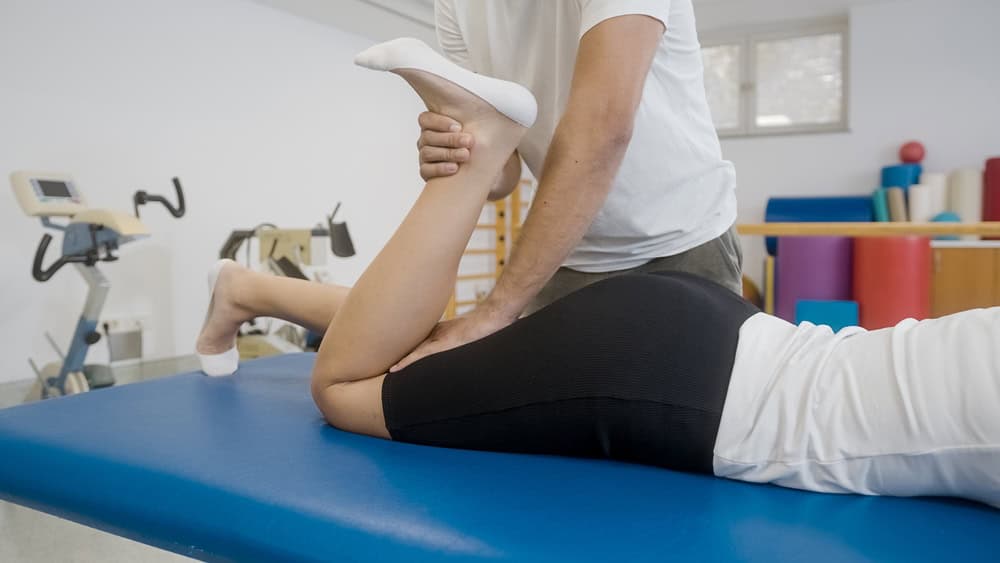
Sharp groin pain during squatting, prolonged sitting, or pivoting movements can indicate irritation within the hip joint. If you have been diagnosed with femoroacetabular impingement or suspect it, structured Hip Pain Physiotherapy focuses on improving joint mechanics, strengthening protective muscles, and restoring confident movement without aggravating the joint. The goal is controlled mobility, improved strength, and sustainable return to activity.
What Is Femoroacetabular Impingement
Femoroacetabular impingement, commonly known as FAI, occurs when there is abnormal contact between the ball of the femur and the socket of the hip. This may be due to extra bone formation on the femoral head, the socket, or both. Over time, repeated contact can irritate the labrum and surrounding cartilage.
FAI is often identified in younger active adults, particularly those involved in sports that require deep flexion or rotation such as football, martial arts, or weight training.
Common Symptoms
Patients typically report deep groin pain that worsens with sitting for long periods, getting out of a car, squatting, or changing direction quickly. Some experience clicking or stiffness, particularly at the front of the hip.
Symptoms often build gradually. Early recognition and rehabilitation can reduce irritation and improve long term joint health.
Comprehensive Assessment
At Adam Vital Physiotherapy & Rehabilitation Center, assessment includes detailed evaluation of hip range of motion, muscle strength, pelvic stability, and movement patterns. We observe how your hip behaves during functional tasks such as squats, lunges, and gait.
Imaging findings are interpreted carefully. Many individuals show structural features of FAI without pain. Treatment is guided by symptoms and function rather than imaging alone.
Core Principles of FAI Rehabilitation
Optimising Movement Patterns
We retrain how you move to reduce excessive compression in the front of the hip. Small adjustments in squat depth, stance width, and hip alignment can significantly decrease irritation.
Strengthening Hip Stabilizers
Targeted strengthening of the gluteal muscles and deep hip rotators improves joint control. Strong stabilisers reduce abnormal contact and enhance load distribution.
Improving Core Control
Pelvic and trunk stability influence hip alignment. Core strengthening supports efficient force transfer and reduces compensatory strain.
Controlled Mobility
Mobility work focuses on safe ranges that maintain flexibility without forcing the hip into impingement positions. The aim is balanced motion rather than excessive stretching.
Managing Activity and Training
For athletes and active individuals in Dubai, modifying training temporarily is often necessary. Deep loaded squats, aggressive pivoting, or repetitive high flexion activities may need adjustment during early phases.
We guide you on maintaining conditioning through alternative exercises while protecting the joint. Gradual reintroduction ensures confidence and resilience.
Non Surgical Versus Surgical Pathways
Many patients experience meaningful improvement with structured physiotherapy alone. Surgery may be considered if symptoms persist despite comprehensive rehabilitation. Even in surgical cases, preoperative strengthening enhances recovery outcomes and post operative rehabilitation is essential for restoring full function.
Expected Recovery Timeline
Initial symptom improvement may occur within several weeks when load is managed and exercises are performed consistently. Strength and movement control gains continue over several months.
Our focus is measurable progress such as improved range of motion, reduced pain during sitting, and increased tolerance for sport specific drills.
Preventing Recurrence
Long term success depends on maintaining strength, monitoring training volume, and respecting joint mechanics. Education is central. Understanding how your hip responds to load allows you to train intelligently and avoid repeated irritation.
Regular reassessment ensures continued progress and adjustment of your program as your goals evolve.
When to Seek Professional Support
If groin pain limits your training, affects your work routine, or causes persistent stiffness, early assessment can prevent further labral or cartilage stress. Addressing symptoms promptly improves long term joint health.
Take the Next Step
Femoroacetabular impingement does not mean the end of an active lifestyle. With precise assessment, structured rehabilitation, and supportive guidance, you can restore stability, strength, and performance. Book a comprehensive assessment at Adam Vital Physiotherapy & Rehabilitation Center and begin your path toward confident, controlled movement.
