
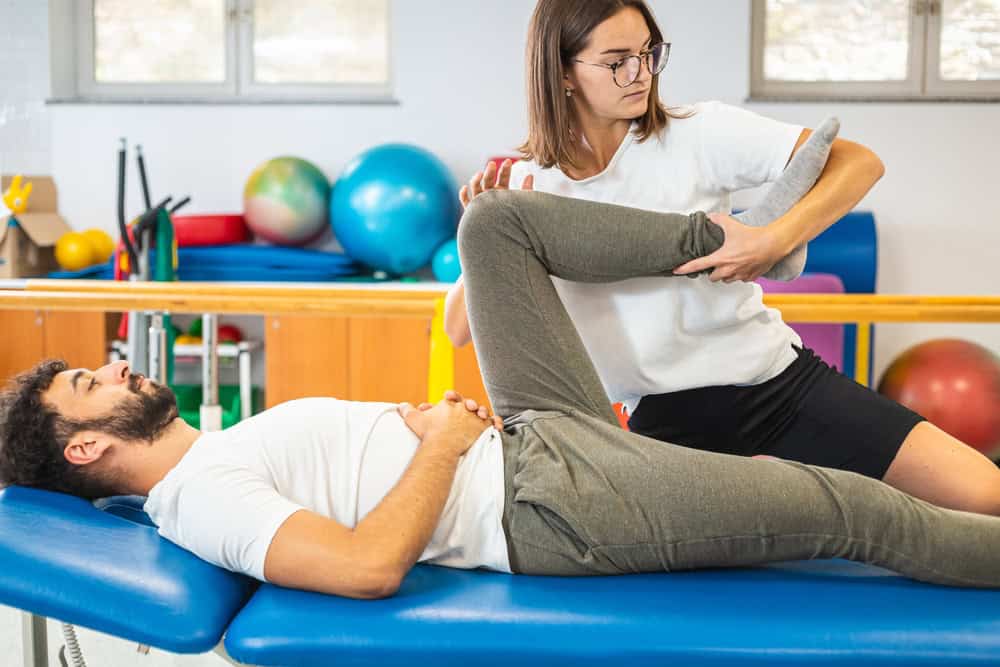
If hip pain worsens during walking, running, or prolonged standing, your gait mechanics may be contributing to the problem. Subtle imbalances in how you load your hips can gradually increase joint stress and tendon irritation. As part of a structured Hip Pain Physiotherapy assessment, analysing gait helps identify movement patterns that overload the hip and guides precise correction. The goal is efficient, pain reduced walking and running that supports long term joint health.
What Are Gait Mechanics
Gait mechanics refer to the way your body moves during walking or running. Each step requires coordinated movement between the pelvis, hip, knee, ankle, and trunk. Proper mechanics distribute forces evenly and allow smooth forward motion.
When coordination is disrupted, certain tissues absorb excessive load. Over time, this can contribute to hip joint irritation, gluteal tendon overload, or compensatory lower back pain.
How Gait Influences Hip Pain
Pelvic Drop
Weak gluteus medius muscles may allow the pelvis to drop on one side during single leg stance. This increases compression on the outer hip and can aggravate tendons or bursae.
Excessive Internal Rotation
If the thigh rotates inward excessively during walking or running, the hip joint experiences increased stress at the front. This may worsen impingement or labral irritation.
Reduced Hip Extension
Limited hip extension, often linked to hip flexor tightness, shortens stride length and increases strain on surrounding muscles.
Overstriding in Running
Taking steps that are too long during running increases impact forces and may overload the hip and lower back.
Comprehensive Gait Assessment
At Adam Vital Physiotherapy & Rehabilitation Center, we assess your walking and running patterns using visual analysis and functional testing. We evaluate stride length, pelvic alignment, foot strike pattern, and muscle activation timing.
This detailed assessment identifies whether weakness, mobility restriction, or coordination deficits are contributing to your symptoms.
Rehabilitation Strategies
Strengthening Key Muscles
Gluteal strengthening improves pelvic stability and reduces lateral compression. Core training enhances trunk control during movement.
Mobility Restoration
Addressing hip flexor tightness and joint stiffness improves stride efficiency and reduces compensatory patterns.
Movement Retraining
We guide you through drills that refine stride mechanics, cadence, and alignment. For runners, increasing cadence slightly may reduce impact forces and hip stress.
Gradual Load Progression
Training volume is adjusted to match your current capacity. Sudden increases in distance or intensity are avoided to protect healing tissues.
Benefits of Optimised Gait
Improved gait mechanics reduce joint compression, enhance muscle efficiency, and support better endurance. Many patients report less pain during walking and greater confidence when returning to sport.
Correcting gait also prevents secondary issues in the knees and lower back, supporting overall movement health.
For Active Lifestyles in Dubai
Whether you are walking for fitness, running along the waterfront, or balancing long workdays with gym sessions, efficient gait mechanics are essential. We tailor your rehabilitation to your activity level and performance goals.
Clear guidance ensures you understand how to move efficiently outside the treatment room.
Expected Progress
With consistent training and corrective drills, many patients notice improved walking comfort within weeks. Running performance and endurance gains develop progressively with structured progression.
We track measurable outcomes such as reduced pain during walking, improved balance, and enhanced stride symmetry.
Take the Next Step
If hip pain increases with walking or running, gait analysis may reveal the missing link. Book a comprehensive assessment at Adam Vital Physiotherapy & Rehabilitation Center. We will identify mechanical contributors, guide precise correction, and support your return to smooth, confident movement.
