
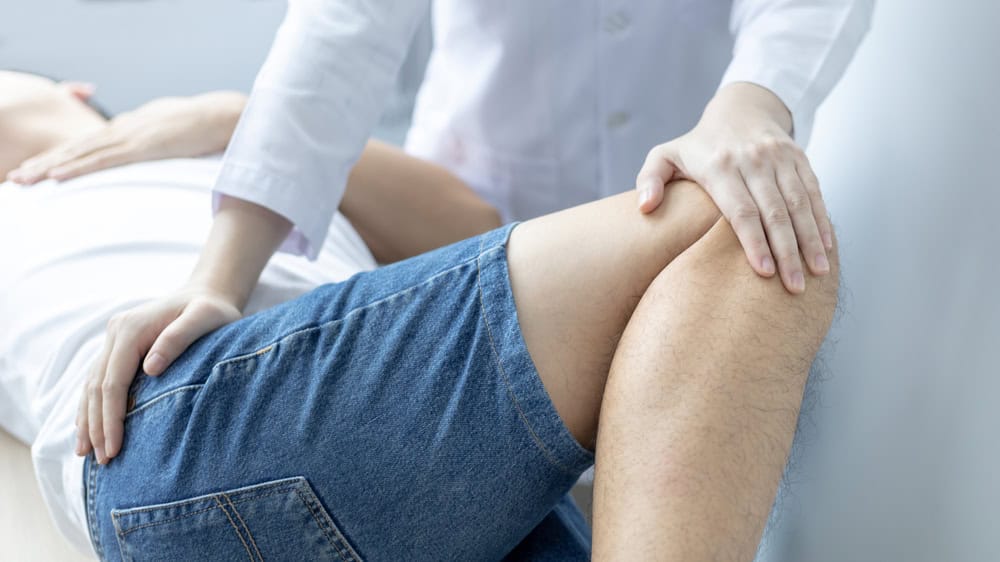
Hip stiffness, groin discomfort, and reduced walking tolerance can gradually affect your independence and confidence. If you have been diagnosed with arthritis or suspect degenerative changes, structured Hip Pain Physiotherapy focuses on improving mobility, strengthening support around the joint, and helping you move with less discomfort. The aim is measurable function, not temporary relief.
What Is Hip Osteoarthritis
Hip osteoarthritis is a degenerative condition where the cartilage that cushions the ball and socket joint gradually wears down. As cartilage thins, joint surfaces experience more friction, which can lead to pain, stiffness, and reduced range of motion. It commonly develops with age but may also follow previous injury, structural variation, or long term overload.
Although structural changes cannot be reversed, symptoms can be managed effectively with evidence based rehabilitation and lifestyle guidance.
Common Symptoms
Most patients report deep aching pain in the groin, front of the hip, or upper thigh. Stiffness is often worse in the morning or after prolonged sitting. You may notice difficulty putting on shoes, crossing your legs, or walking longer distances.
As the condition progresses, activities such as climbing stairs or getting out of a car may become challenging. Early assessment helps slow functional decline and maintain independence.
Why Movement Is Essential
It is natural to avoid movement when pain is present. However, complete rest often worsens stiffness and muscle weakness. Controlled, progressive activity nourishes joint tissues, improves circulation, and strengthens the muscles that protect the hip.
Our approach balances protection with progression. We guide you step by step to increase tolerance safely.
Comprehensive Assessment
At Adam Vital Physiotherapy & Rehabilitation Center, we assess joint mobility, muscle strength, gait pattern, and daily activity demands. We also evaluate how your hip interacts with your lower back and knees. This ensures treatment addresses the full movement chain rather than focusing only on the joint.
If imaging has already confirmed osteoarthritis, we interpret findings in the context of your symptoms. Many people with visible joint changes function well when strength and mechanics are optimised.
Core Components of Management
Targeted Strengthening
Strengthening the gluteal and hip stabilising muscles reduces load within the joint and improves control during walking and standing. Progressive resistance training is carefully introduced to build capacity without aggravating symptoms.
Mobility Work
Gentle mobility exercises help maintain available range and reduce stiffness. These movements are guided to avoid excessive compression while encouraging healthy joint motion.
Manual Therapy
Hands on techniques may be used to improve joint mobility and reduce surrounding muscle tension. Manual therapy supports exercise but does not replace it. Active rehabilitation remains central.
Load and Activity Modification
We review your daily routine, work demands, and exercise habits. Small adjustments such as pacing walking distances, modifying gym movements, or improving footwear can significantly reduce irritation.
Weight and Lifestyle Guidance
If appropriate, gradual weight management reduces stress on the hip joint. We provide practical advice that aligns with your lifestyle in Dubai, whether you are a busy professional or managing family responsibilities.
Managing Flare Ups
Osteoarthritis symptoms may fluctuate. During flare ups, pain may increase temporarily. We guide you on adjusting load, using cold or heat appropriately, and modifying exercises without stopping entirely. Consistency with controlled activity is key to long term stability.
When Is Surgery Considered
Most patients benefit significantly from physiotherapy and do not require immediate surgery. However, in advanced cases where pain remains severe despite structured rehabilitation, referral for orthopaedic consultation may be appropriate. Even if surgery becomes necessary, preoperative strengthening improves outcomes and recovery.
Expected Progress
Many patients begin noticing improved mobility and reduced pain within several weeks of consistent rehabilitation. Gains in strength and walking tolerance continue over months. Our focus is measurable improvement such as increased step count, improved sit to stand performance, and reduced reliance on pain medication.
Long term management is about preserving independence, maintaining activity, and preventing secondary problems in the knees or lower back.
Living Well With Hip Osteoarthritis
Hip osteoarthritis does not mean giving up the activities you value. With structured guidance, you can continue walking, travelling, exercising, and staying active. The key is adapting intelligently and building strength around the joint.
If hip stiffness or pain is affecting your quality of life, book a comprehensive assessment at Adam Vital Physiotherapy & Rehabilitation Center. We will clarify your current stage, outline a personalised plan, and guide you toward stronger movement and sustained function.
