If hip discomfort builds gradually through the day, worsens after long hours at a desk, or returns despite stretching, posture may be influencing how your hip joint is loaded. Within a structured Hip Pain Physiotherapy plan, postural correction focuses on improving alignment, reducing unnecessary joint stress, and restoring efficient movement patterns. Better posture is not about standing rigidly upright. It is about balanced load distribution and controlled muscle activation.
How Posture Affects Hip Function
Your hip does not work in isolation. It is influenced by the position of your pelvis, lower back, and even your upper body. Prolonged sitting, forward trunk posture, or habitual weight shifting onto one leg can gradually change how forces pass through the hip joint.
Over time, these altered mechanics may increase compression at the front of the hip, strain outer hip tendons, or overload surrounding muscles. Correcting posture improves how the hip moves during daily tasks and exercise.
Common Postural Patterns Linked to Hip Pain
Anterior Pelvic Tilt
Excessive forward tilt of the pelvis increases stress at the front of the hip and shortens the hip flexors. This pattern is common in individuals who sit for extended periods or train heavily without balanced mobility work.
Posterior Pelvic Tilt
A flattened lower back posture can restrict hip extension and reduce glute activation, affecting walking efficiency and performance.
Weight Bearing Asymmetry
Standing with weight shifted consistently onto one leg increases unilateral hip compression. Over time, this may contribute to tendon irritation or joint discomfort.
Assessment of Posture and Movement
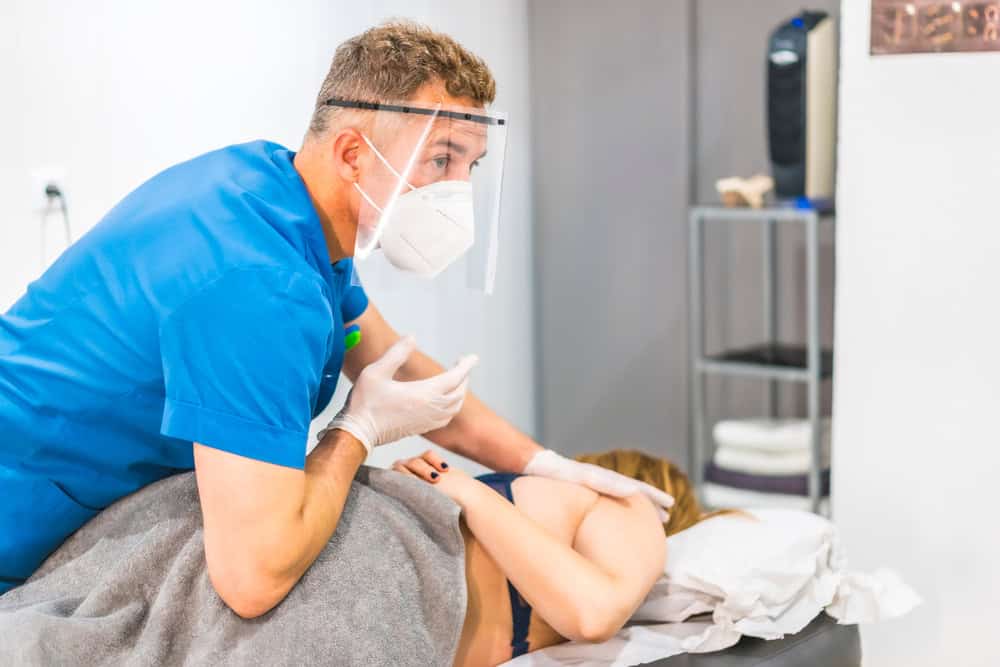
At Adam Vital Physiotherapy & Rehabilitation Center, assessment includes static posture analysis and dynamic movement evaluation. We observe how your pelvis and trunk behave during walking, squatting, and transitional movements such as sitting to standing.
The aim is to identify patterns that contribute to overload and guide precise correction strategies.
Corrective Strategies
Pelvic Alignment Awareness
We begin by improving your awareness of neutral pelvic positioning. Small adjustments in standing and sitting can significantly reduce joint strain.
Mobility Where Needed
Tight hip flexors, hamstrings, or lower back muscles may limit balanced alignment. Controlled mobility exercises restore available range without forcing the joint.
Strengthening Key Support Muscles
Postural correction requires strength. Gluteal muscles, deep core stabilisers, and back extensors are trained to maintain improved alignment under load.
Workstation and Lifestyle Adjustments
For busy professionals in Dubai, ergonomic adjustments at the desk and regular movement breaks are essential. We provide practical guidance tailored to your routine.
Integrating Posture into Daily Movement
Posture is not something you hold rigidly. It is something you move through. We retrain functional tasks such as lifting, bending, and walking so improved alignment becomes natural rather than forced.
By combining awareness with strength and mobility, your hip joint experiences smoother load transfer and reduced irritation.
Expected Outcomes
Many patients notice reduced stiffness and improved comfort within weeks of consistent corrective work. Improvements in balance, walking tolerance, and exercise capacity follow as strength develops.
Progress is measured through functional testing and symptom tracking to ensure changes are meaningful and sustainable.
Preventing Recurrence
Maintaining postural balance requires ongoing awareness and strength conditioning. Sudden increases in sedentary time or training load without support may reintroduce stress.
We equip you with clear strategies that fit your lifestyle, helping you maintain hip efficiency long term.
Take the Next Step
If posture related strain is affecting your hip function, early correction can prevent chronic irritation. Book a comprehensive assessment at Adam Vital Physiotherapy & Rehabilitation Center. We will identify contributing patterns, guide targeted correction, and support your return to confident, efficient movement.
