
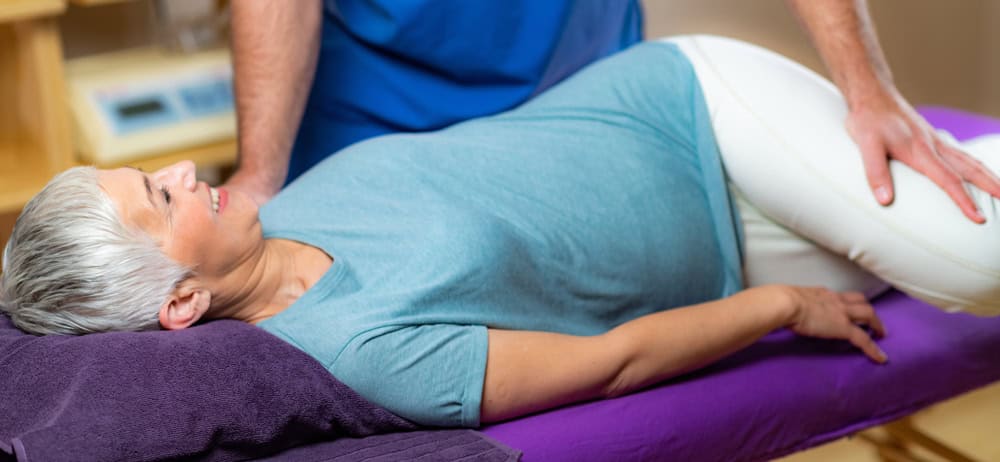
Recovering from a total hip replacement requires structured rehabilitation to restore mobility, rebuild strength, and regain confidence in daily movement. Whether your surgery was performed to address advanced arthritis or persistent joint damage, a guided Hip Pain Physiotherapy program supports safe healing and progressive return to independence. The focus is clear: protect the new joint, improve function, and help you move comfortably again.
Understanding Total Hip Replacement
Total hip replacement surgery involves replacing the damaged ball and socket of the hip joint with artificial components. The goal of surgery is pain reduction and improved joint function. However, surgery alone does not restore muscle strength, balance, or coordination. Rehabilitation is essential for achieving full benefit from the procedure.
Recovery timelines vary depending on age, preoperative condition, and overall health. A personalised plan ensures appropriate progression at each stage.
Early Phase Rehabilitation
Protecting the New Joint
In the first weeks after surgery, exercises focus on gentle mobility and safe weight bearing as guided by your surgeon. Education on movement precautions, safe transfers, and walking techniques reduces risk of dislocation and promotes healing.
Restoring Basic Mobility
Simple movements such as ankle pumps, assisted hip slides, and supported standing exercises help maintain circulation and prevent stiffness. Walking with appropriate support improves confidence and joint nutrition.
Strengthening and Functional Recovery
Glute and Thigh Strengthening
Rebuilding strength in the gluteal muscles and quadriceps is central to restoring walking efficiency. Exercises progress gradually from supported movements to more challenging functional tasks.
Balance and Stability Training
After joint replacement, proprioception may be reduced temporarily. Balance drills and controlled single leg activities improve stability and reduce fall risk.
Gait Retraining
Correcting walking mechanics ensures even load distribution and prevents compensatory strain in the lower back or opposite hip.
Mid to Late Phase Progression
As healing advances, exercises become more dynamic. Step ups, controlled squats, and endurance training support return to daily tasks such as stair climbing and community walking. For active individuals, low impact fitness activities may be reintroduced gradually.
Progression is based on strength testing, pain response, and functional performance rather than time alone.
Managing Swelling and Discomfort
Mild swelling and stiffness are common during recovery. We guide you on pacing activity, using cold therapy appropriately, and recognising the difference between normal muscle soreness and concerning symptoms.
Clear communication ensures safe, steady improvement.
Returning to Daily Life and Activity
Most patients resume basic daily activities within several weeks. Longer term goals such as extended walking, travel, or recreational exercise are introduced progressively. High impact activities are generally avoided to protect the implant.
Our aim is restoring independence, mobility, and confidence while preserving the longevity of your joint replacement.
Preventing Future Joint Strain
Even with a new joint, maintaining strength and healthy movement patterns is essential. Balanced conditioning reduces stress on the surrounding muscles and the opposite hip.
We provide long term guidance tailored to your lifestyle in Dubai, whether you are managing a busy professional schedule or staying active with family and community activities.
Expected Outcomes
With consistent rehabilitation, most patients experience significant pain reduction and improved walking capacity within a few months. Continued strengthening enhances endurance and stability over time.
Progress is monitored using measurable functional markers such as walking distance, stair tolerance, and strength symmetry.
Take the Next Step
Total hip replacement marks the beginning of recovery, not the end of the journey. Structured physiotherapy ensures you regain strength, balance, and independence safely. Book your post operative assessment at Adam Vital Physiotherapy & Rehabilitation Center to begin a clear, supportive path toward confident movement.
