
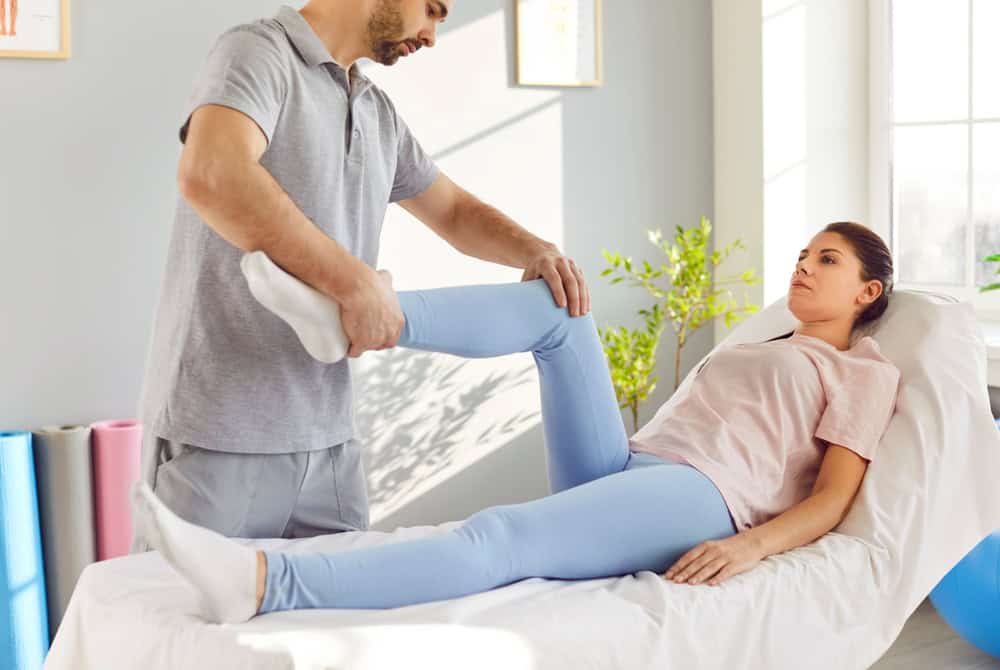
Pain on the outside of the knee can be frustrating and persistent, particularly for runners, cyclists, and active individuals who rely on repetitive knee movement. Iliotibial band related knee pain is a common cause of lateral knee discomfort and is often misunderstood or managed in ways that provide only short term relief. A clear, structured approach through Knee Pain Physiotherapy focuses on identifying why the iliotibial band is becoming overloaded and how movement, strength, and training habits can be adjusted to restore comfortable, efficient activity.
Understanding the iliotibial band
The iliotibial band, often referred to as the IT band, is a thick band of connective tissue that runs along the outside of the thigh from the hip to just below the knee. Its role is to help stabilise the hip and knee during movement, particularly during single leg activities such as walking and running. While the IT band itself is not a muscle, it works closely with surrounding muscles to control load and alignment.
How IT band syndrome affects the knee
IT band related knee pain typically presents as sharp or burning discomfort on the outer side of the knee, often worsening with repeated bending and straightening. The pain usually builds gradually during activity and may settle with rest, only to return when movement resumes. This pattern is common in runners and cyclists due to the repetitive nature of their sport.
Why IT band knee pain develops
IT band syndrome is rarely caused by a single structure in isolation. It usually reflects how load is being managed across the hip, thigh, and knee.
Repetitive loading and volume changes
Sudden increases in running distance, speed, hills, or cycling intensity can exceed the body’s ability to adapt. When recovery time is insufficient, irritation builds at the outer knee.
Poor hip strength and control
Weakness or delayed activation of the hip stabilising muscles can allow excessive thigh movement during stance. This increases tension through the IT band and concentrates stress near the knee.
Movement pattern inefficiencies
Inward knee movement, excessive pelvic drop, or overstriding can all increase lateral knee stress. These patterns are often subtle and only apparent during detailed movement assessment.
Training surface and equipment factors
Consistent running on cambered roads, uneven surfaces, or wearing worn footwear can alter load distribution. Over time, these factors contribute to irritation rather than acting as sole causes.
Reduced load tolerance
Periods of reduced training followed by rapid return to full intensity can leave tissues underprepared. The IT band becomes a secondary stress point when other structures fail to absorb load efficiently.
Common misconceptions about IT band syndrome
Many people believe IT band pain is caused by tightness alone. While stiffness can contribute, aggressive stretching or rolling the IT band rarely addresses the underlying issue and may increase discomfort. Effective management focuses on why tension is increasing, not just how it feels.
Assessment focused management
Managing IT band related knee pain begins with understanding how you move and train.
Movement analysis
Walking, running, or cycling mechanics are assessed to identify patterns that increase lateral knee stress. Small changes in technique often have a meaningful impact on symptoms.
Strength and control evaluation
Hip and trunk strength are key areas of focus. Reduced control here frequently drives IT band overload during single leg tasks.
Training load review
Weekly volume, intensity, terrain, and recovery habits are reviewed to identify load spikes that contribute to symptoms.
Physiotherapy approach to IT band knee pain
Treatment is structured, progressive, and focused on restoring load tolerance rather than eliminating all sensation.
Reducing symptom irritability
Early management may involve temporary modification of aggravating activities. This does not mean complete rest, but rather adjusting intensity and volume to allow symptoms to settle.
Hip and lower limb strengthening
Targeted strengthening of the hip stabilisers, gluteal muscles, and supporting lower limb musculature improves load sharing and reduces strain through the IT band during movement.
Movement retraining
Gait and technique adjustments are introduced gradually. For runners, this may include subtle changes in cadence or stride to reduce lateral knee stress.
Supportive manual therapy
Hands on techniques may be used to address surrounding muscle tension and improve movement quality. These techniques support rehabilitation but are not relied on in isolation.
Role of stretching and foam rolling
Stretching and rolling may provide temporary relief when used appropriately, particularly for surrounding muscles such as the gluteals or quadriceps. However, they are supportive tools rather than primary treatments. Overuse without strengthening and movement correction often delays recovery.
Return to running or sport
Return to activity is structured and criteria driven.
Gradual re exposure to load
Running or cycling volume is reintroduced progressively, with close monitoring of symptom response during and after activity.
Performance focused progression
Strength and control benchmarks guide progression rather than pain elimination alone. The goal is to tolerate increasing demand without symptom escalation.
What recovery typically looks like
Most people notice reduced pain during activity as strength and movement efficiency improve. Symptoms may fluctuate early on but trend downward with consistent, guided management. Recovery timelines vary depending on severity, training demands, and adherence to load management principles.
Preventing recurrence
Long term success depends on maintaining hip strength, monitoring training load, and responding early to warning signs. Regular strength work and awareness of movement habits reduce the likelihood of recurrence.
Your next step
If pain on the outside of your knee is limiting running, cycling, or daily movement, a detailed assessment can identify whether IT band related factors are contributing. With a personalised plan focused on strength, movement quality, and sensible progression, recovery becomes clearer and more sustainable. Book an assessment to begin a structured approach toward resolving IT band related knee pain and returning to comfortable, confident activity.
