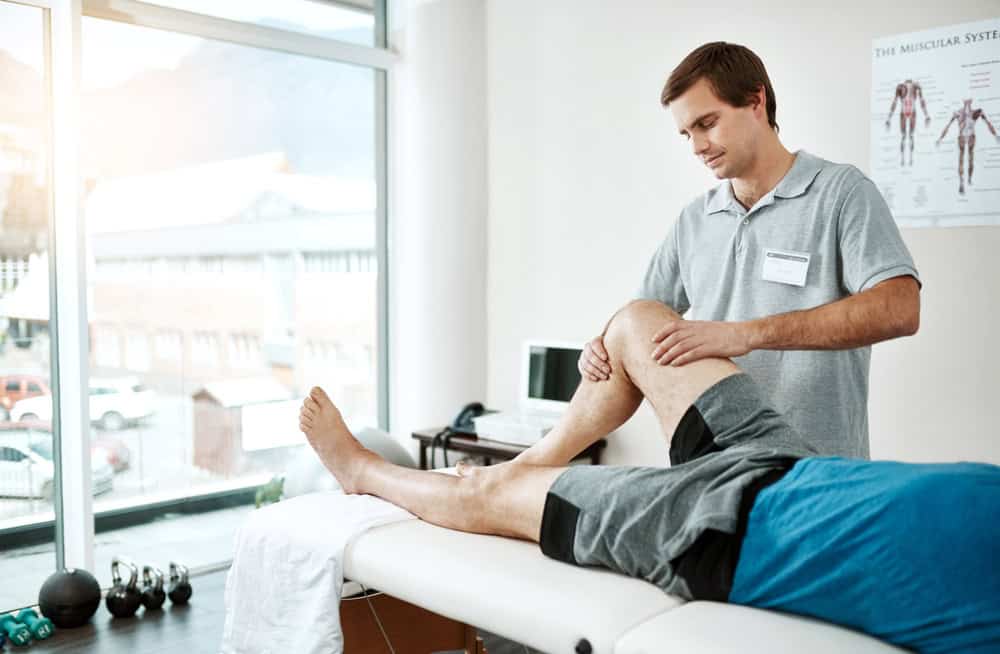
Knee pain at the front of the joint, clicking with movement, or discomfort during stairs and squatting is often linked to how the knee is aligned and how the kneecap moves. Patellar tracking refers to the path the kneecap follows as the knee bends and straightens, and even small deviations can increase joint stress over time. Understanding and correcting these factors is a core part of effective care within Knee Pain Physiotherapy, helping restore smoother movement, reduced pain, and greater confidence.
What knee alignment means
Knee alignment describes how the hip, knee, and ankle line up during standing and movement. Good alignment allows forces to pass evenly through the joint surfaces and surrounding tissues. Poor alignment does not necessarily mean a structural problem, but rather how the limb behaves under load. Alignment is dynamic and can change with speed, fatigue, and task demands.
Understanding patellar tracking
The patella sits within the quadriceps tendon and glides along a groove at the end of the thigh bone. As the knee bends and straightens, the kneecap should move smoothly within this groove. When tracking is altered, pressure becomes uneven, often irritating sensitive joint surfaces and surrounding structures. This irritation commonly presents as anterior knee pain.
Why patellar tracking problems develop
Tracking issues rarely come from the kneecap alone. They usually reflect how forces are managed across the entire lower limb.
Muscle imbalance and timing
The quadriceps help guide the kneecap during movement. When strength or activation timing is altered, the patella may drift slightly off its optimal path. Hip muscle weakness can further influence how the thigh rotates beneath the kneecap, increasing stress.
Hip and trunk control
The position of the thigh is strongly influenced by hip and trunk control. Reduced control here can allow the knee to collapse inward during squatting, stairs, or running, changing patellar loading.
Foot and ankle mechanics
How the foot contacts the ground affects force transfer up the leg. Limited ankle mobility or poor foot control can indirectly alter knee alignment and patellar tracking.
Load and activity patterns
Sudden increases in training volume, prolonged sitting, or repetitive knee bending can expose tracking issues that were previously tolerated. The problem often lies in capacity rather than structure.
Common symptoms linked to tracking issues
Patellar tracking problems typically present with pain around or behind the kneecap. Symptoms may worsen with stairs, squatting, running, kneeling, or prolonged sitting. Some people notice clicking or grinding sensations without pain, while others experience sharp discomfort during load. Swelling is not always present, but sensitivity can increase with repeated activity.
Why assessment must be movement focused
Static posture alone does not explain patellar tracking. Many people have similar standing alignment but very different movement control. Assessment focuses on how the knee behaves during tasks such as squatting, stepping, walking, or running. This approach identifies the moments when tracking deviates and why.
Dynamic alignment observation
Watching the knee under load reveals whether inward collapse, excessive rotation, or poor control is contributing to symptoms.
Strength and control testing
Testing hip, thigh, and trunk strength helps identify deficits that influence knee position and kneecap movement.
Mobility assessment
Restricted ankle, hip, or patellar mobility can alter movement patterns and increase joint stress. These factors are assessed to guide treatment.
How physiotherapy addresses alignment and tracking
Management focuses on restoring balanced movement rather than forcing the kneecap into position.
Targeted strengthening
Strengthening the quadriceps supports patellar guidance, while hip and gluteal strengthening improves thigh control. Balanced strength reduces uneven pressure at the kneecap during load.
Movement retraining
Exercises are used to improve alignment during functional tasks. Simple cues during squats or stairs help the body adopt more efficient patterns that reduce knee stress.
Manual therapy support
Hands on techniques may be used to improve patellar mobility or reduce surrounding tissue tension. These techniques support active rehabilitation but are not relied on alone.
Load management
Activity levels are adjusted to allow adaptation without flare ups. This may include temporary changes to training volume, intensity, or daily habits that overload the knee.
The role of taping and bracing
In some cases, taping is used to provide short term symptom relief or improve awareness of knee position. This support is temporary and aimed at facilitating better movement during rehabilitation rather than serving as a long term solution.
What progress typically looks like
Early improvements often include reduced pain during stairs or sitting and greater confidence with movement. As strength and control improve, activities such as running or squatting feel smoother and more predictable. Progress is measured by improved function and tolerance rather than perfect alignment.
Common mistakes to avoid
Focusing solely on the kneecap without addressing hip and trunk control often limits progress. Over stretching without strengthening may increase sensitivity rather than improve tracking. Rushing load progression before movement control is established can also delay recovery.
Long term knee health and tracking
Maintaining good knee alignment during daily and sporting activities supports long term joint health. Regular strength work, awareness of movement habits, and sensible load progression reduce the risk of recurrence.
Your next step
If knee pain, clicking, or discomfort during movement is affecting your confidence or activity, assessing knee alignment and patellar tracking can provide clarity. With a targeted plan focused on strength, movement quality, and gradual progression, symptoms can reduce and movement can feel reliable again. Book an assessment to begin a clear, supportive approach to improving knee alignment and patellar tracking.
