
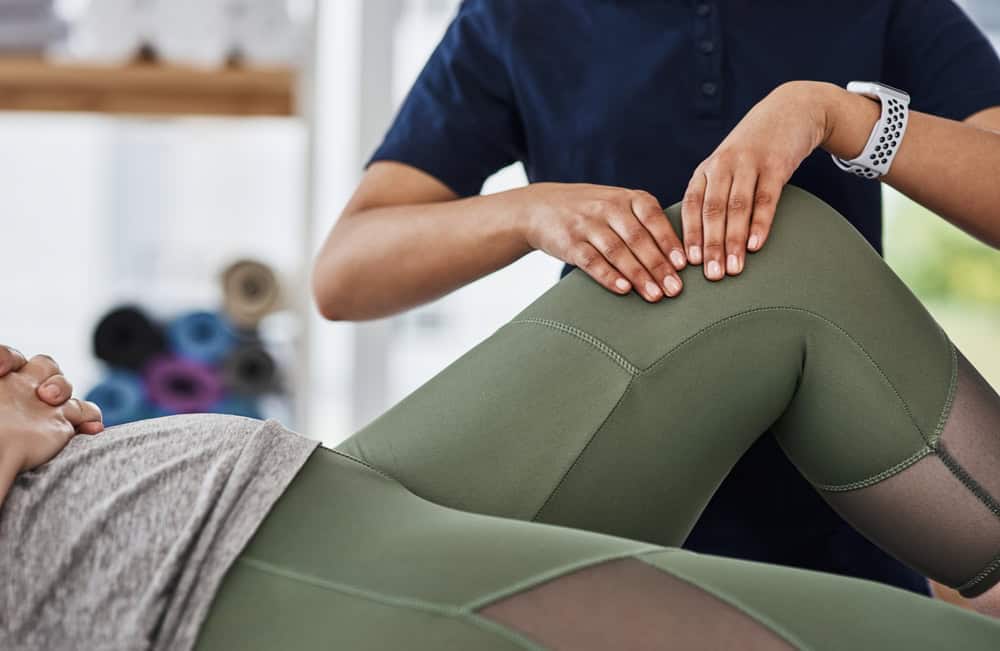
Patellofemoral pain syndrome often presents as aching or sharp discomfort around the front of the knee that interferes with stairs, squatting, running, or sitting for long periods. When this pain persists, it can reduce confidence in movement and limit both daily activities and performance goals. Effective management starts with understanding why the kneecap is overloaded and how targeted care through Knee Pain Physiotherapy can restore comfort, control, and function.
Understanding patellofemoral pain syndrome
Patellofemoral pain syndrome refers to pain arising from the joint between the kneecap and the thigh bone. Rather than a single injury, it usually develops over time due to how forces are distributed across the knee during movement. Symptoms can fluctuate and are often activity dependent, making clear assessment essential to guide management.
Why symptoms develop and persist
The kneecap relies on balanced muscle control and smooth joint motion to distribute load efficiently. When this balance is disrupted, pressure increases on sensitive joint surfaces. Without addressing the contributing factors, pain may settle temporarily but often returns when activity levels rise.
Load exceeding capacity
A common driver is doing more than the knee is prepared for. This may include sudden increases in running distance, gym intensity, stair use, or occupational demands. The joint becomes irritated when load outpaces tissue tolerance.
Movement control and alignment
Subtle changes in how the hip, knee, and ankle work together can increase stress at the front of the knee. Reduced hip stability or excessive inward knee movement during tasks like squatting or running are frequent contributors.
Muscle strength and timing
Quadriceps strength and coordination help guide the kneecap. When activation is delayed or strength is reduced, joint stress increases. Hip and core strength also influence how load is shared across the lower limb.
Principles of effective management
Successful management focuses on restoring balance, not just reducing pain. The aim is to improve how your knee tolerates load so you can return to activity with confidence.
Individualised assessment
Management begins with understanding your movement patterns, strength profile, flexibility, and daily or sporting demands. This clarity ensures treatment targets the true cause rather than symptoms alone.
Education and reassurance
Understanding what is happening reduces fear and uncertainty. Patellofemoral pain is rarely associated with structural damage. With the right approach, most people improve steadily.
Targeted exercise therapy
Exercise is a cornerstone of management and is selected based on your assessment findings. The goal is to increase capacity and control in a safe, progressive way.
Quadriceps strengthening
Improving strength and endurance of the quadriceps helps distribute load more evenly through the kneecap. Exercises are progressed gradually to avoid flare ups while building tolerance.
Hip and gluteal strengthening
Stronger hip muscles improve alignment and reduce unnecessary stress at the knee. This is particularly important for activities involving single leg support such as walking, running, or climbing stairs.
Movement retraining
Correcting how you move during functional tasks can significantly reduce symptoms. This may involve cueing knee position during squats, improving running mechanics, or modifying daily habits that overload the joint.
Load management strategies
Managing activity levels is essential during recovery. This does not mean stopping all activity, but rather adjusting intensity, volume, and frequency to allow the knee to adapt.
Activity modification
Temporary changes such as reducing running distance, altering training surfaces, or spacing sessions can prevent ongoing irritation while strength improves.
Gradual return to activity
As tolerance increases, load is reintroduced in a structured way. Clear markers such as pain levels during and after activity guide progression.
Manual therapy and supportive techniques
In some cases, hands on techniques may be used to reduce discomfort, improve mobility, or facilitate better movement patterns. These are supportive tools rather than standalone solutions and are always combined with active rehabilitation.
What progress typically looks like
Most people notice early improvements in pain with daily tasks such as stairs or sitting. As strength and control improve, confidence returns and activity levels increase. Timelines vary depending on severity, consistency, and individual factors, but progress is measured through function, not just symptom relief.
Preventing recurrence
Long term success depends on maintaining strength, movement quality, and appropriate load. Understanding early warning signs and responding promptly helps prevent future flare ups. Ongoing exercise and awareness are key components of sustained knee health.
Your next step
If patellofemoral pain has been limiting your movement or performance, a structured assessment provides clarity and direction. With a personalised plan focused on strength, control, and gradual progression, recovery becomes achievable and measurable. Book an assessment to begin restoring comfortable movement and confidence in your knee.
