
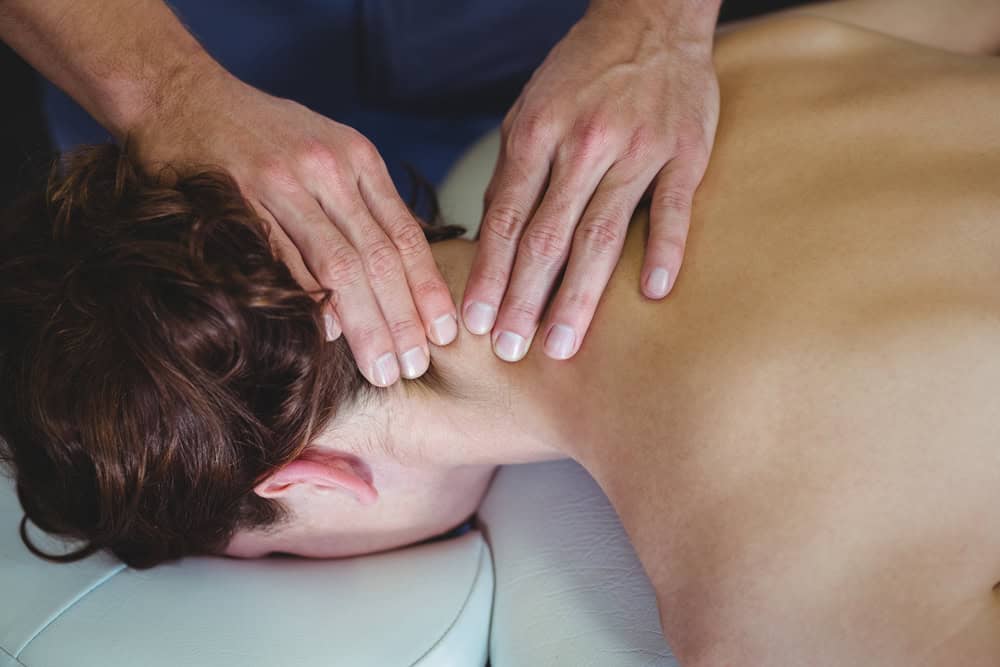
Neck discomfort rarely comes from a single posture mistake and is more often shaped by the habits you repeat throughout the day, from how you sit and stand to how you use devices and manage stress; improving postural habits with guidance from Neck Pain Physiotherapy helps protect cervical health, reduce fatigue, and make movement feel easier and more reliable.
Why postural habits matter for the neck
Your cervical spine is designed to move frequently while sharing load with the shoulders and upper back, and when posture becomes fixed or repetitive, muscles fatigue and joints stiffen, increasing sensitivity over time.
Habits over positions
It is not one posture that causes problems but how long and how often it is maintained without change.
Load accumulation
Sustained low-level strain adds up across the day, especially during desk work, driving, and screen use.
Common postural habits that affect cervical health
Several everyday habits place consistent load on the neck.
Forward head posture
Allowing the head to drift forward relative to the shoulders increases the work required from neck muscles to support head weight.
Prolonged sitting
Long periods of sitting reduce circulation and endurance in postural muscles, leading to stiffness and discomfort.
Screen-focused posture
Downward gaze during phone and laptop use increases cervical flexion load when repeated frequently.
How poor postural habits lead to pain
Pain develops when tissues are overloaded beyond their tolerance.
Muscle fatigue and tension
Postural muscles working continuously without rest become tight and sensitive.
Joint stiffness
Reduced movement variety limits joint nutrition and adaptability.
Nervous system sensitivity
Ongoing discomfort increases pain sensitivity, making normal positions feel threatening.
Recognising early warning signs
Postural strain often shows subtle signs before pain becomes persistent.
End-of-day stiffness
Neck tightness that worsens by evening suggests reduced endurance.
Morning soreness
Stiffness on waking may reflect cumulative load from the previous day.
Frequent self-adjusting
Needing to constantly stretch or crack the neck can signal underlying postural fatigue.
Assessment before changing habits
Effective habit change begins with understanding your specific demands.
Daily activity analysis
Assessment reviews work setup, screen use, commuting, and activity levels.
Movement and endurance testing
Identifying strength and control limitations helps target the right strategies.
Principles of healthy postural habits
Sustainable posture focuses on variability rather than perfection.
Neutral as a reference
Neutral alignment serves as a starting point, not a rigid rule.
Regular movement
Frequent small movements reduce sustained load more effectively than holding ideal posture.
Improving sitting habits
Most cervical strain occurs during seated tasks.
Balanced sitting posture
Sitting with feet supported and the torso upright reduces forward head drift.
Screen and keyboard setup
Keeping screens near eye level and arms supported reduces neck and shoulder tension.
Movement breaks
Standing and moving briefly every 30 to 60 minutes restores circulation and comfort.
Standing and walking posture
Postural habits extend beyond the desk.
Weight distribution
Even weight through both feet reduces compensatory neck tension.
Head and shoulder alignment
Allowing shoulders to relax and the head to balance naturally reduces muscle overactivity.
Device use habits
Modern device use strongly influences cervical health.
Raising the screen
Bringing phones and tablets closer to eye level limits sustained neck flexion.
Limiting continuous use
Short, frequent breaks reduce cumulative strain more than long sessions followed by rest.
Breathing and posture interaction
Breathing patterns influence postural muscle activity.
Upper chest breathing
Breathing that lifts the shoulders increases neck muscle workload.
Efficient breathing support
Lower rib cage breathing reduces baseline tension and supports relaxed posture.
Strength and endurance for postural support
Habit change is easier when the body is conditioned to support it.
Deep neck muscle endurance
Improved endurance reduces reliance on surface muscles during sustained tasks.
Scapular and upper back support
Strong shoulder blade control shares load with the neck.
Integrating posture into daily routines
Consistency comes from fitting strategies into real life.
Workday cues
Using reminders or task transitions to reset posture encourages regular movement.
Activity-specific strategies
Posture adjustments are tailored for driving, meetings, and screen work.
Common mistakes in posture correction
Well-meaning efforts can backfire.
Holding rigid posture
Trying to sit perfectly upright all day increases fatigue.
Ignoring symptoms
Pain signals should guide adjustment rather than be pushed through.
Monitoring progress
Habit change should be reviewed and refined.
Symptom tracking
Reduced stiffness and improved tolerance indicate positive adaptation.
Adjusting strategies
As work and activity demands change, habits should evolve accordingly.
When habits are not the only factor
Persistent pain may involve additional contributors.
Mobility or strength limitations
Targeted rehabilitation may be needed alongside habit change.
Stress and recovery balance
Workload and sleep quality influence postural resilience.
Conclusion
Postural habits and cervical health are shaped by how consistently you move, breathe, and support your neck throughout the day rather than by holding perfect positions; with informed adjustments, regular movement, and appropriate conditioning, posture becomes a protective habit rather than a source of strain, and the next step is to book an assessment so your daily routines and neck mechanics can be evaluated and guided toward long-term comfort and function.
